
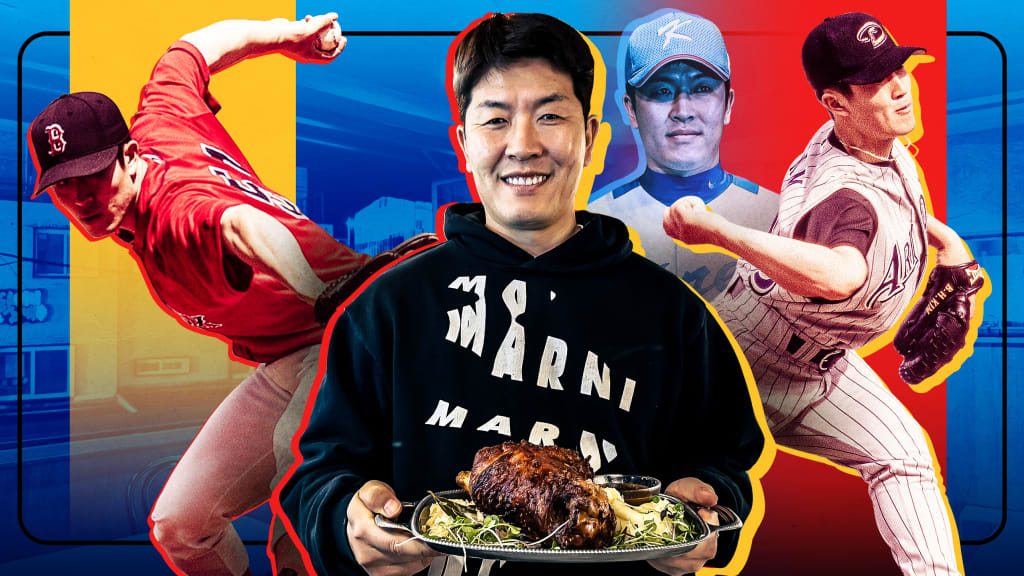
Thanks to his unique submarine delivery, Byung-hyun Kim always stood out on the Major League diamond. Now, the former big league pitcher stands out for another reason: The World Series winner – the first Korean-born player to play in the postseason, much less return with a ring – now owns and operates a decorated German sausage restaurant, Metz Hannam, in Seoul’s Yongsan district.
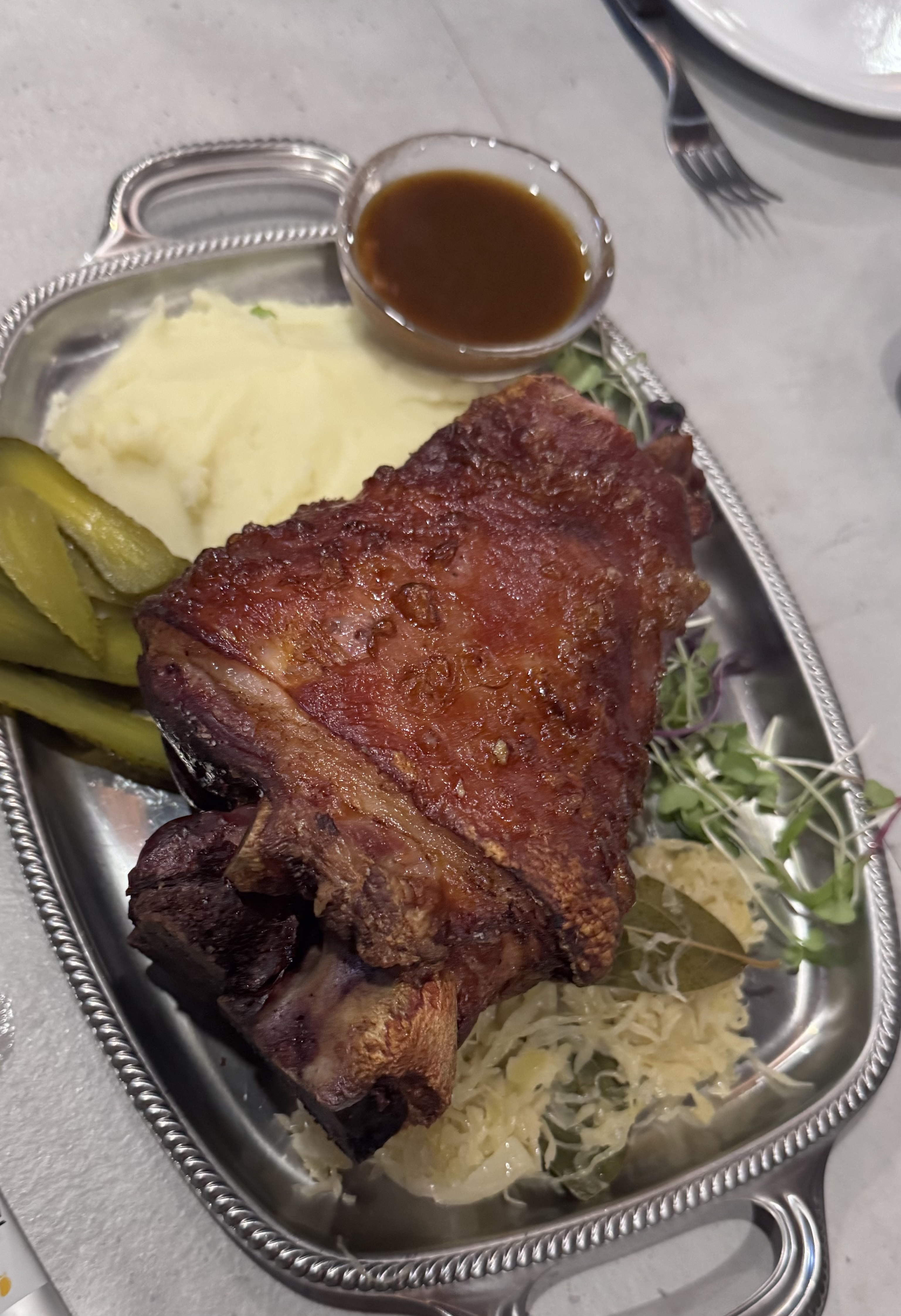
Dressed casually cool in a black hoodie and green, military-inspired slacks, Kim recently welcomed us into his restaurant, serving up a bountiful feast of German specialties. He started with his personal favorite, and the only dish that can go toe-to-toe with his mother’s kimchi for his all-time favorite dish: Schweinshaxe, a pork knuckle known for the delectable crispy skin which encases tender, juicy meat.
“The first time I tried the Schweinshaxe – the crunchiness on the outside, the juiciness on the inside – it was otherworldly,” Kim said, a wide smile on his face. “Korea is known for their fried chicken, but it was a different world. That was a life changer.”
You can actually thank baseball – and the global tours that it took Kim on – for his turn from the bullpen to the kitchen. He remembers the first Burger King he walked into when he was playing for Korea’s U-18 team at the 1995 World Juniors Championship outside Boston. (Naturally, Kim struck out 13 batters in just 10 innings pitched.)
“I tried Burger King for the first time and that’s when I realized the burgers that I’d had were not burgers,” Kim said with MLB’s Sunjae Song translating. “This was a real burger. That changed my view. The Cokes, the french fries: Everything was massive.”
While that memory lived on in his mind, it was only later, after he was established in the Major Leagues, that he started dreaming of doing this with his life after he retired.
“When I was playing in the States, any time families and friends would come, I would take them out to a restaurant that I recommended. I saw the joy that people felt from having good food,” Kim said. “That's where it all started.”
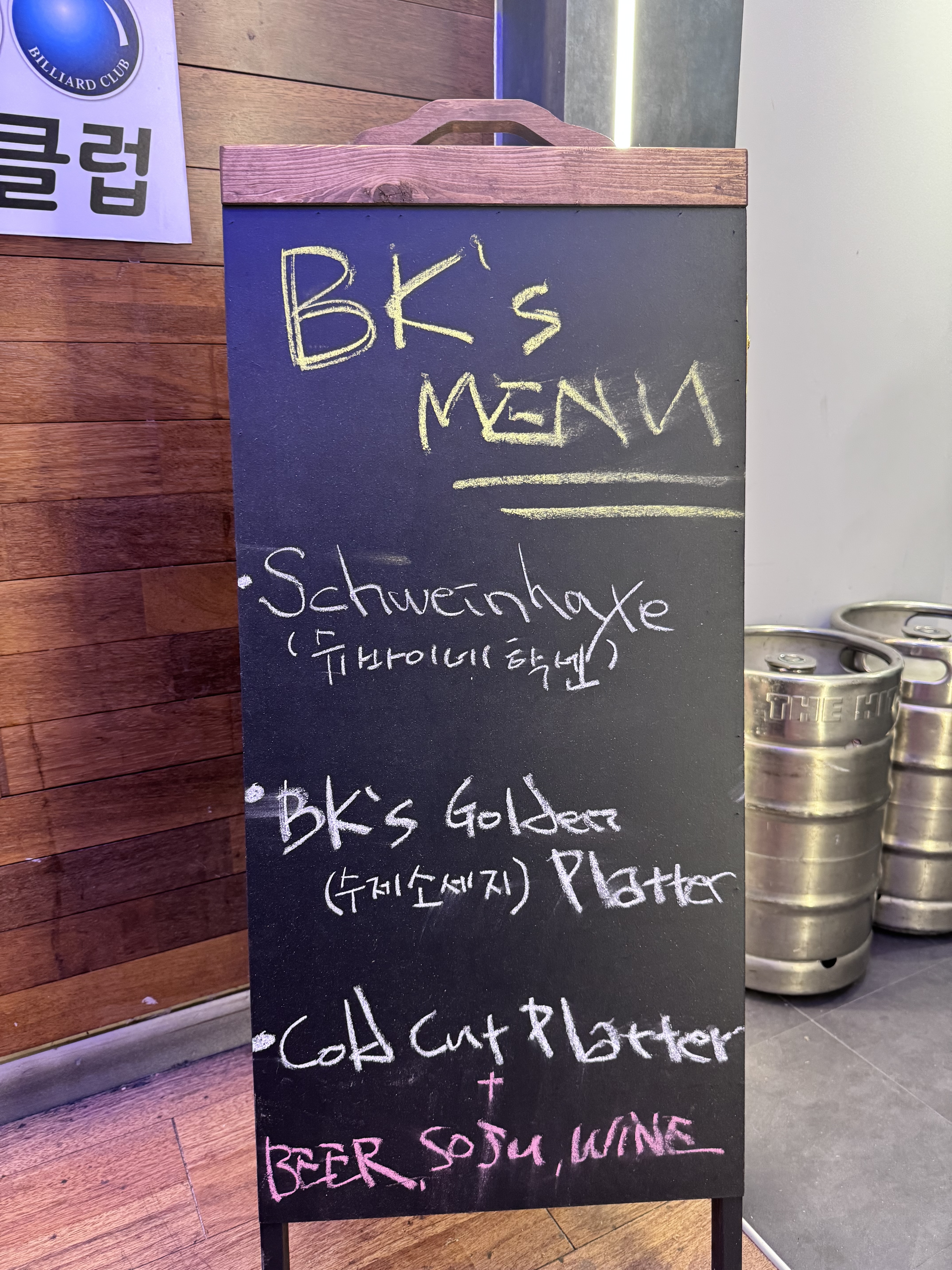
He began with three sushi restaurants in San Diego – today there is only one, Umi Sushi – before he followed his teenage dream and opened a handful of burger and hot dog joints, with two of the locations inside KBO stadiums at the Gocheok Sky Dome and Changwon NC Park.
“The inspiration was Gonzo's Grill in Arizona at Chase Field,” Kim said, referring to the ballpark eatery named after D-backs legend Luis Gonzalez. “I saw that and I really wanted to replicate it and have a burger joint at a baseball stadium.”
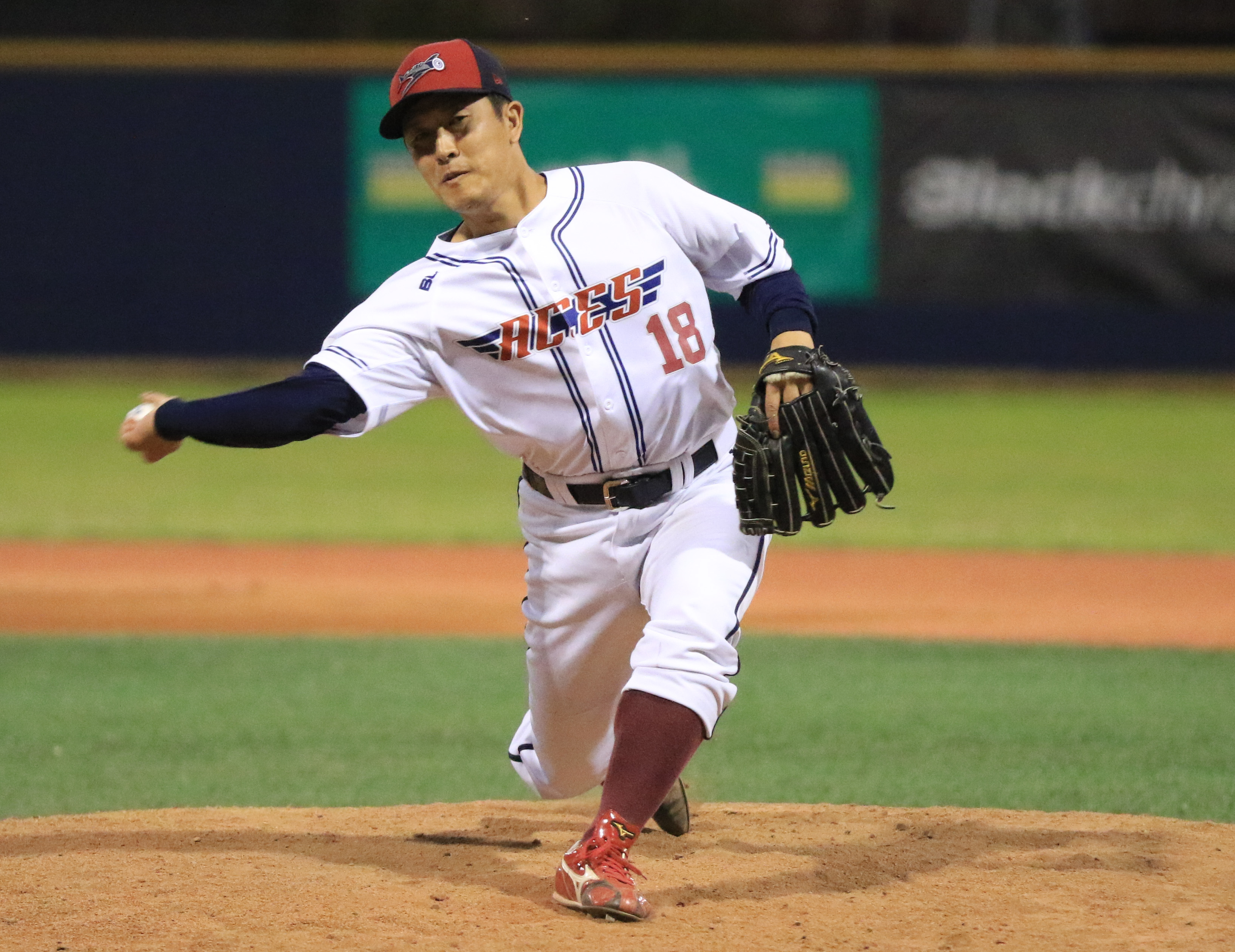
“Obviously, baseball was my world,” Kim said. “It was my passion when I was younger and I succeeded. But once I was done with my playing career, I felt a little bit of an emptiness. As an adult, this is something I got into and really poured my passion into.”
He began by seeking out the first Korean sausage meister – the title given to those who master Germany’s famed dish. Seong Chun Lim had the title for 40 years and when “I tried his sausage for the first time, I was hooked on it.”
Kim then trained under him, learning the process of making the sausage up to such a high standard for nearly a year. Though Lim has passed away, his son Hyung Jin Lim now works in Kim’s restaurant.
Next, Kim wanted to improve upon the sausage that was available in the area.
“In Korea, and to a certain degree in the United States, when you think of ham or sausage, you think of processed meat, and it's usually not very healthy for you,” Kim said. “But I really wanted to change that and show that sausages can be quite healthy and nutritious. It’s less fatty than usual sausages and we use 98 percent natural ingredients. It’s definitely a healthier option.”
While he has remained true to the traditional German recipes – you can get sauerkraut here, but no kimchi – Kim wanted to source as much of the meat and ingredients locally. The garlic and chili peppers come from Uiseong and Cheongyang respectively, areas known for these specialties.
While Kim has no desire to make this a fusion restaurant, there is one dish that combines the two cultures. It’s his take on budae-jjigae, or Korean army soup. The dish ties back to the Korean war when the impoverished citizens of South Korea would use the leftover spam and other processed meats from the American military bases in a spicy kimchi-style soup. Though the dish was first born out of necessity, it has remained popular to this day.
For Kim, though, he wanted a take on the dish that didn’t use poor quality meats loaded with preservatives.
“It was processed meat, so it was generally unhealthy,” Kim said. “I changed that to healthier sausages to make it a premium option. Obviously, today where K-food is becoming more and more popular, I’m looking at it as a kind of entry point.”
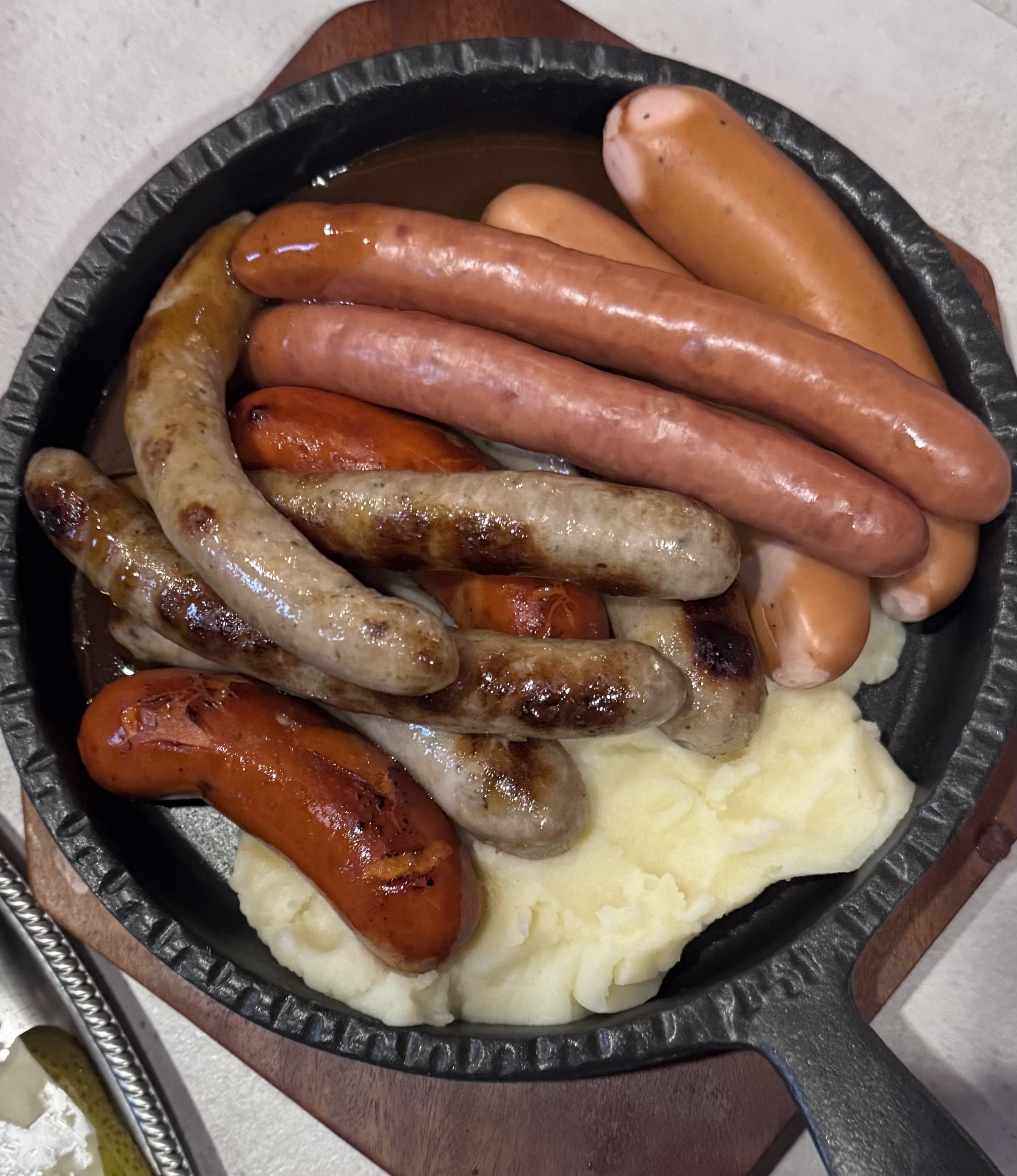
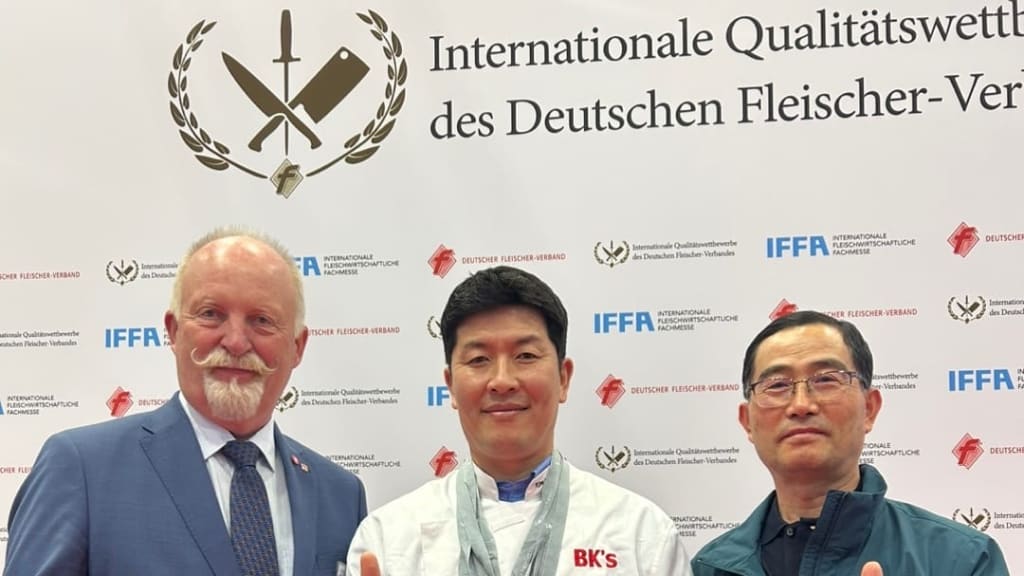
It was enough to sway the judges from the German Butchers’ Association, who awarded Kim with seven awards for his budae-jjigae.
“For me to do what I’m doing, to win the competition, it means a lot – especially when people eat it and enjoy it and genuinely like it,” Kim said. “That’s the most meaningful.”