
“We are the ship, all else, the sea.”
This metaphor, originally said by abolitionist Frederick Douglass and adopted by Andrew "Rube" Foster, regarded as the father of Black baseball, would go on to change the game of baseball forever. Yet many fans of the game don’t know who Foster is or even what the Negro Leagues were.
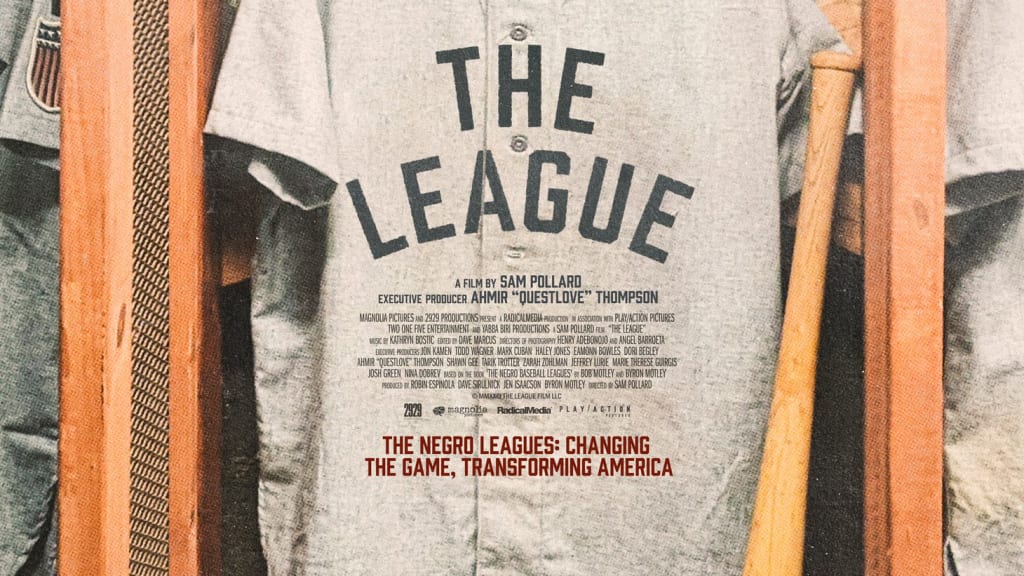
That’s something award-winning filmmaker Sam Pollard is trying to remedy with his latest documentary, “The League.”

“The League” tells the story of the Negro Leagues, from their rise to prominence in the 1920s to their fall in the late '50s. The film is largely based on the recollections of Bob Motley, a former Negro Leagues umpire, whose words are narrated throughout the film.
“When I was a kid, it was told to me that Jackie Robinson integrated the Major Leagues and ‘wow,’ Major League Baseball changed forever. But no one ever told me what happened to the Negro Leagues. It didn’t matter. They would just talk about Jackie Robinson and all these other players. Now we’re giving you the full picture,” Pollard said.
The story is brought to life through a wide array of never-before-seen interviews with legendary players such as Satchel Paige and Hank Aaron; as well as interviews with famed executives like Cumberland Posey and Gus Greenlee.
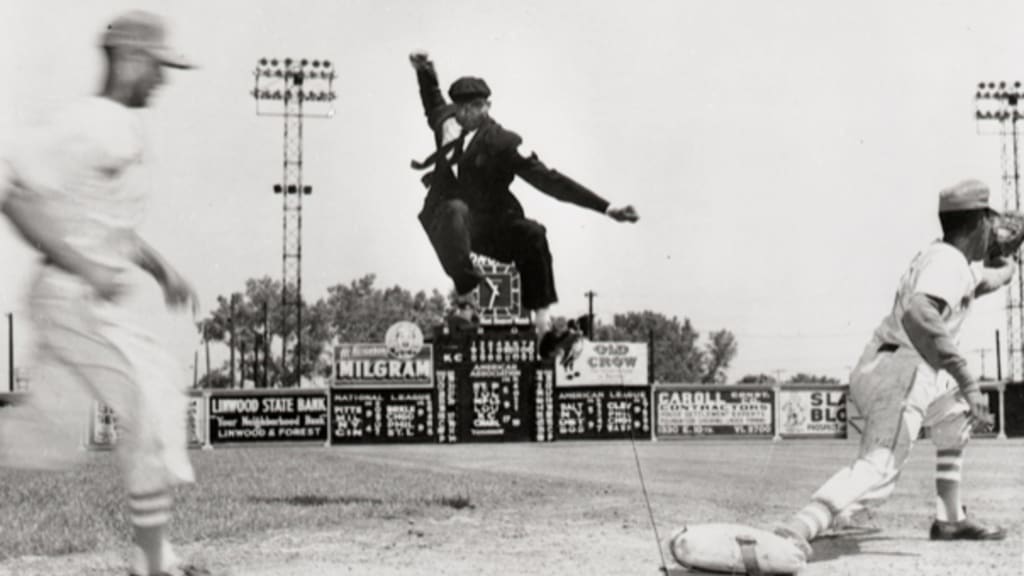
To go along with these firsthand accounts, Pollard transports audiences even further back in time through unearthed footage from the Negro Leagues.
“We were concerned there wasn’t going to be enough [footage] to tell a story,” Pollard said.
“In one of the sources that we found was an American poet named Quincy Troop, whose dad -- whose name is also Quincy Troop -- had been a catcher in the Negro Leagues. He had a 16-millimeter camera and shot footage of his experiences, of his travels. ... We had more [footage] than I could have ever imagined.”
The dazzling footage played throughout the 103-minute runtime allows “The League,” to ensure audiences get the history right. It illustrates both the struggles of Black ballplayers, as well as the Negro Leagues' trademark aggressive and fast-paced style of play.
Despite popular American belief, Black baseball dates as far back as the Civil War. The game of baseball has never been a “white sport.” In fact, in the nineteenth century, Black and white players could often be seen playing on the same team. That came to a halt at the end of the century due to the hardening racism around the country paired with the fear that white players would lose their jobs to Black players.
Enter Foster; pitcher, manager, entrepreneur and owner.
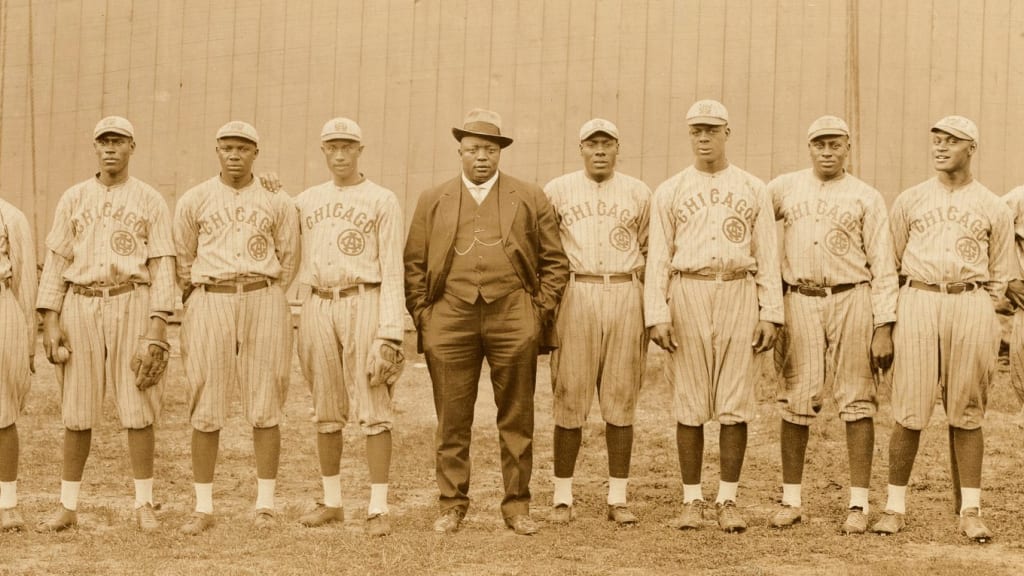
The Texas native did everything possible in the game of baseball. Foster has a Hall of Fame resume in each category of the sport. As a player, the right-hander pitched seven no-hitters from 1901 to 1908 and is credited with the creation of the screwball. Off the mound, Foster won three league pennants as owner/manager of the Chicago American Giants in the league that he had founded and held the role of president, the Negro National League (NNL).
Foster founded the NNL in 1920 after a meeting with fellow team owners where he insisted there was room for growth by assembling under one league.
With the words, “We are the ship, all else, the sea,” Foster laid the foundation that would change the game forever.
“By founding the Negro Leagues, they were gonna lead the way. They were gonna lead the way to such a degree that audiences, other players and other teams who weren’t a part of the Negro Leagues would want to follow them,” Pollard said.
However, Foster’s story is far from the only one fans will be hearing about in Pollard’s latest installment.
Audiences will hear the stories of players like Satchel Paige and his dominant career on the mound; Josh Gibson and his natural talent; along with the stories of businessmen and businesswomen who pioneered the way for Black baseball, like owner Effa Manley, the first and only woman inducted into the Baseball Hall of Fame.
“The League” also reveals the tragedies that came with Robinson’s and others’ emergence into the Major Leagues, which would lead to the eventual demise of the Negro Leagues and a decline in Black businesses.
“This is an American story, it’s not black and white. When I was a kid, they said Abraham Lincoln was the greatest American president because he emancipated slaves. Well, it’s not so simple. Nothing is ever as simple as that first sentence,” Pollard said.
The film not only educates the audience about the history of baseball, but it tells a tale of a determined community, a flourishing Black economy and the hypocrisy in the history of the United States.
Fans can catch “The League” in theaters nationwide on July 14.