
Baseball is the national pastime for a reason, and each pocket of the country has its own unique connection to the sport. To celebrate the 250th anniversary of this nation, we’re taking you on a summer road trip across the U.S. with Baseball in America, presented by Booking.com, 50 stories from all 50 states. Follow along here.
Before Wrigley Field, there was Wrigley Field.
That’s right: Before chewing gum magnate William Wrigley Jr. became majority owner of the Cubs and renamed Cubs Park on the North Side of Chicago “Wrigley Field” in 1926, Wrigley built another ballpark and bestowed upon it the name that would become synonymous with the phrase “friendly confines” in the Windy City.
The original Wrigley Field opened in Los Angeles, Calif., on Sept. 29, 1925, and was home to Wrigley's Los Angeles Angels of the Pacific Coast League.
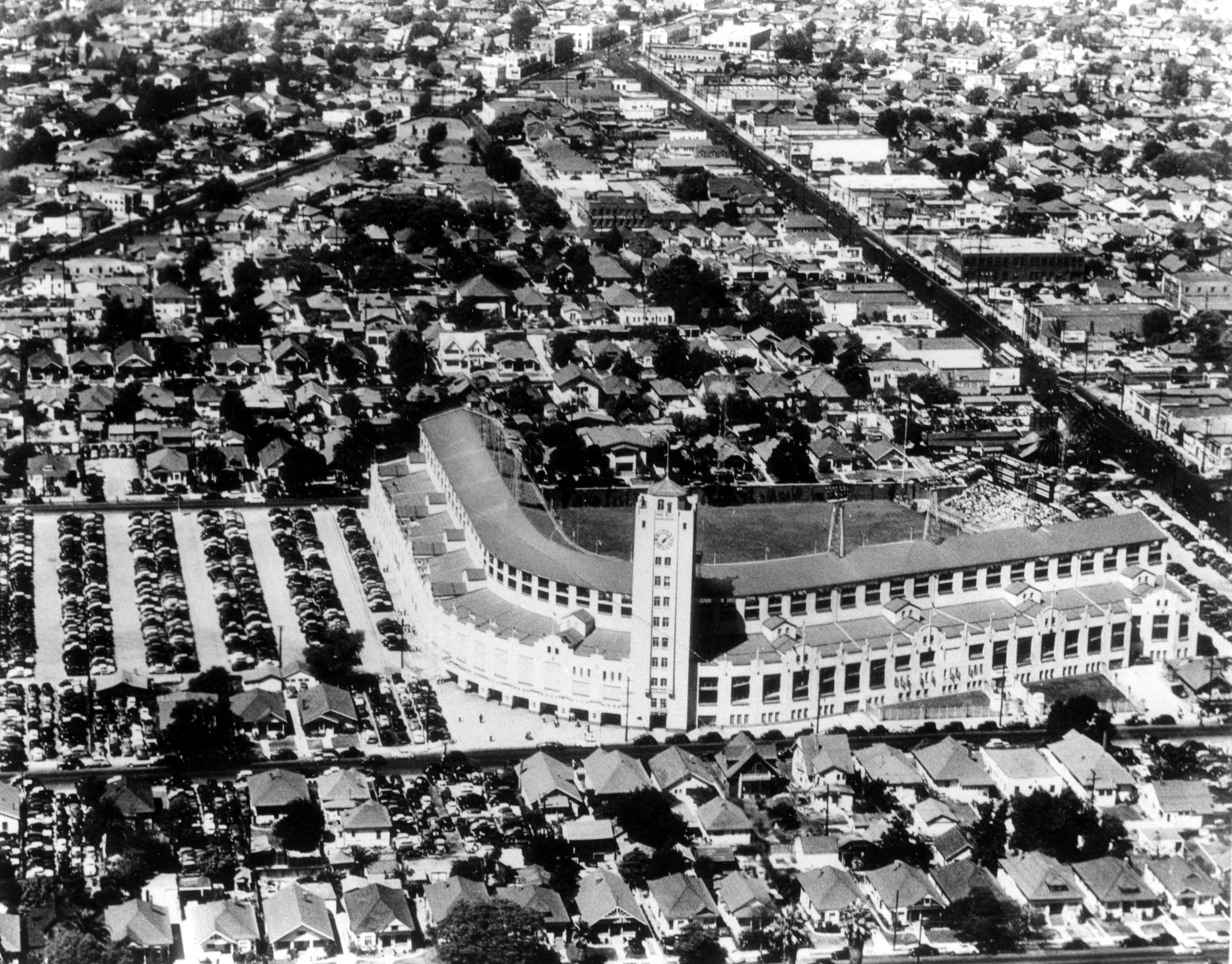
The ballpark was constructed, by the same architect, in fact, to look much like the Cubs’ home in Chicago, which debuted in 1914 under the name Weeghman Park. While the layout was similar, there were California-centric differences, including a Spanish-style roof and a 150-foot-tall clocktower with a 360-degree observation platform that afforded views of the Pacific Ocean.
The ballpark’s beauty was immediately noticed by The Sporting News, which described it as “a real monument to the national game,” and even “the finest baseball edifice in the United States.” And this was just over two years after the opening of the original Yankee Stadium.
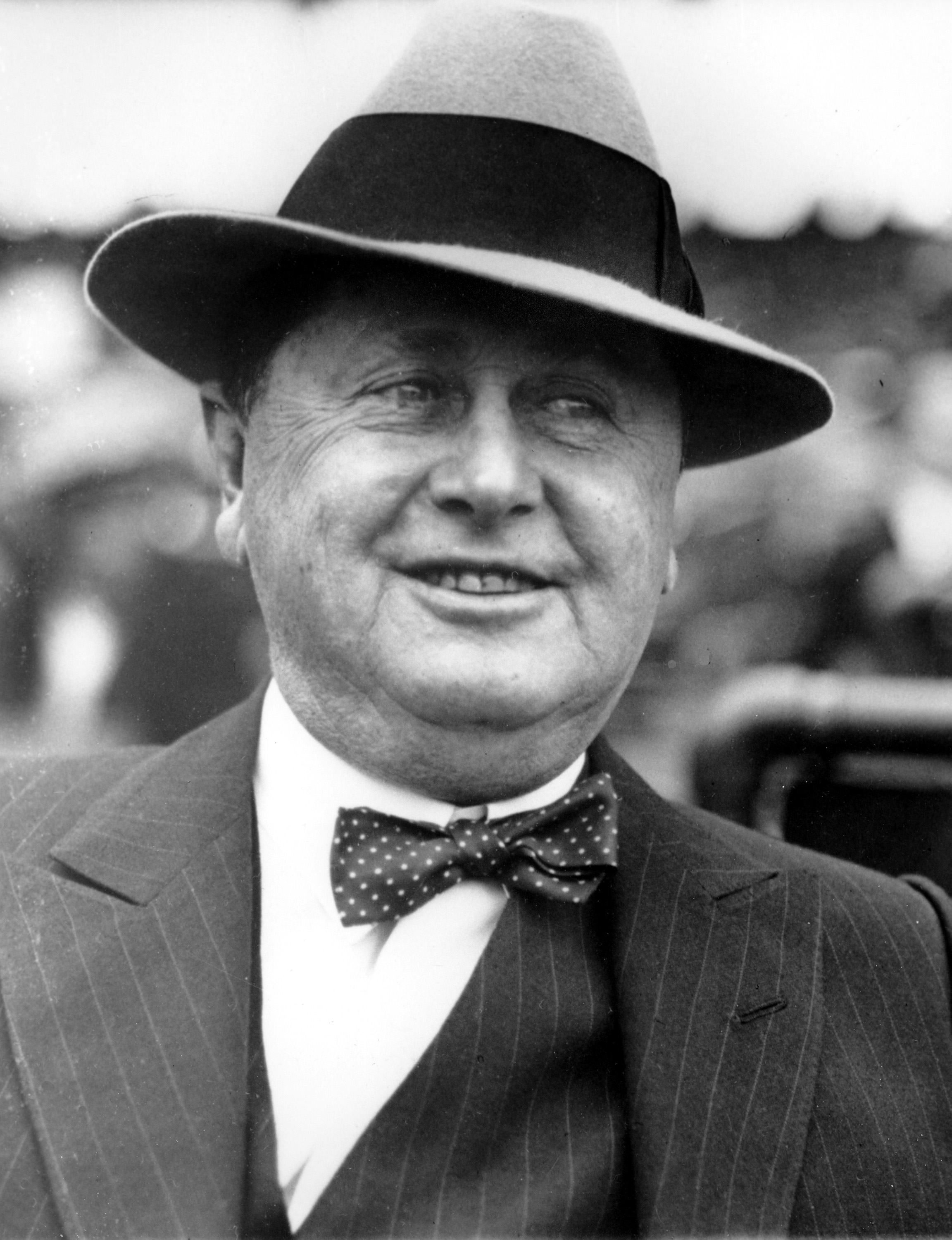
The architect for the ballpark was Zachary Taylor Davis, who had actually built Cubs Park and the original Comiskey Park on the South Side of Chicago, home to the White Sox.
Also called “Wrigley’s million-dollar palace,” L.A.’s Wrigley Field cost $1.5 million to build (the equivalent of about $28.9 million in 2026), nearly six times what it cost to build Cubs Park. The capacity was also larger, seating 22,000 fans.
The dimensions were 340 feet down the left-field line, 345 feet in the power alleys, 412 feet to center and 339 feet down the right-field line.
Ironically, the Cubs were the first Major League team to play a game at Wrigley Field in Los Angeles -- they generally held Spring Training on Catalina Island off the coast of Southern California, and in March of 1926, they played an exhibition game at Wrigley Field.
So the Cubs’ first game at a ballpark named Wrigley Field came in Los Angeles.
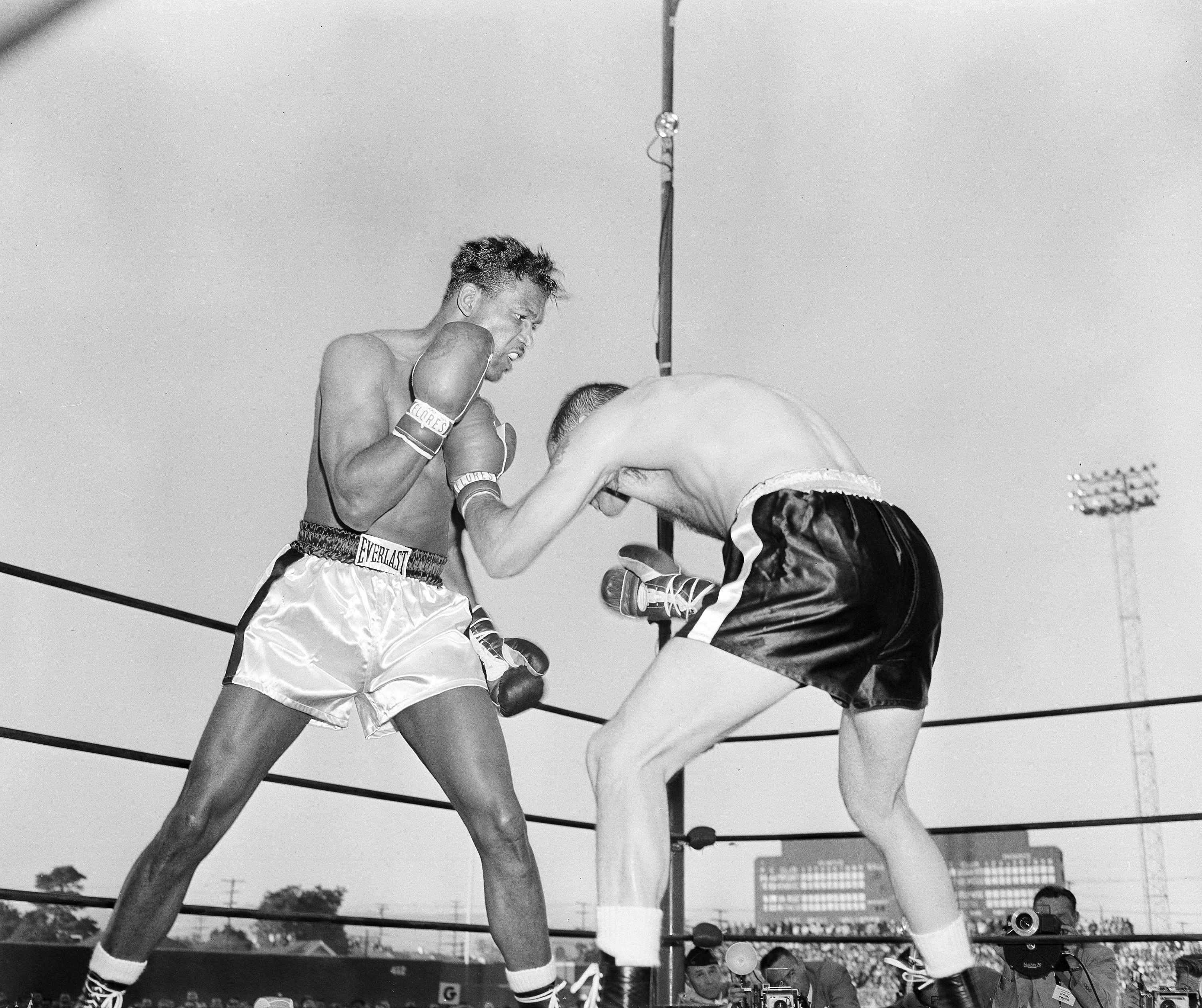
The venue was also home to other notable events, including the first “NFL All-Star Game” -- a precursor to the Pro Bowl -- on Jan. 15, 1939. There were also several significant boxing events held there, featuring all-time greats such as Joe Louis and Sugar Ray Robinson.
The PCL’s Angels played at Wrigley Field in L.A. until they relocated to Spokane, Wash., in 1958, after the team and the ballpark were purchased by the Dodgers, who were moving from Brooklyn to Los Angeles.
And in a move that would confound future baseball lovers who didn’t know there were actually two Wrigley Fields, the Los Angeles Wrigley Field was involved in a land swap that enabled the Dodgers to procure the site that would eventually be home to Dodger Stadium.
It wasn’t long before the Angels became an expansion MLB franchise in L.A., and Wrigley was retrofitted to host Major League games. The first regular-season MLB game played there was between the Angels and Twins on April 27, 1961, a 4-2 Minnesota victory.
But the 1961 season would be the L.A. Wrigley Field’s final pro baseball campaign. The Angels went on to share Dodger Stadium from 1962-65, and in 1966, Angel Stadium opened in Anaheim.
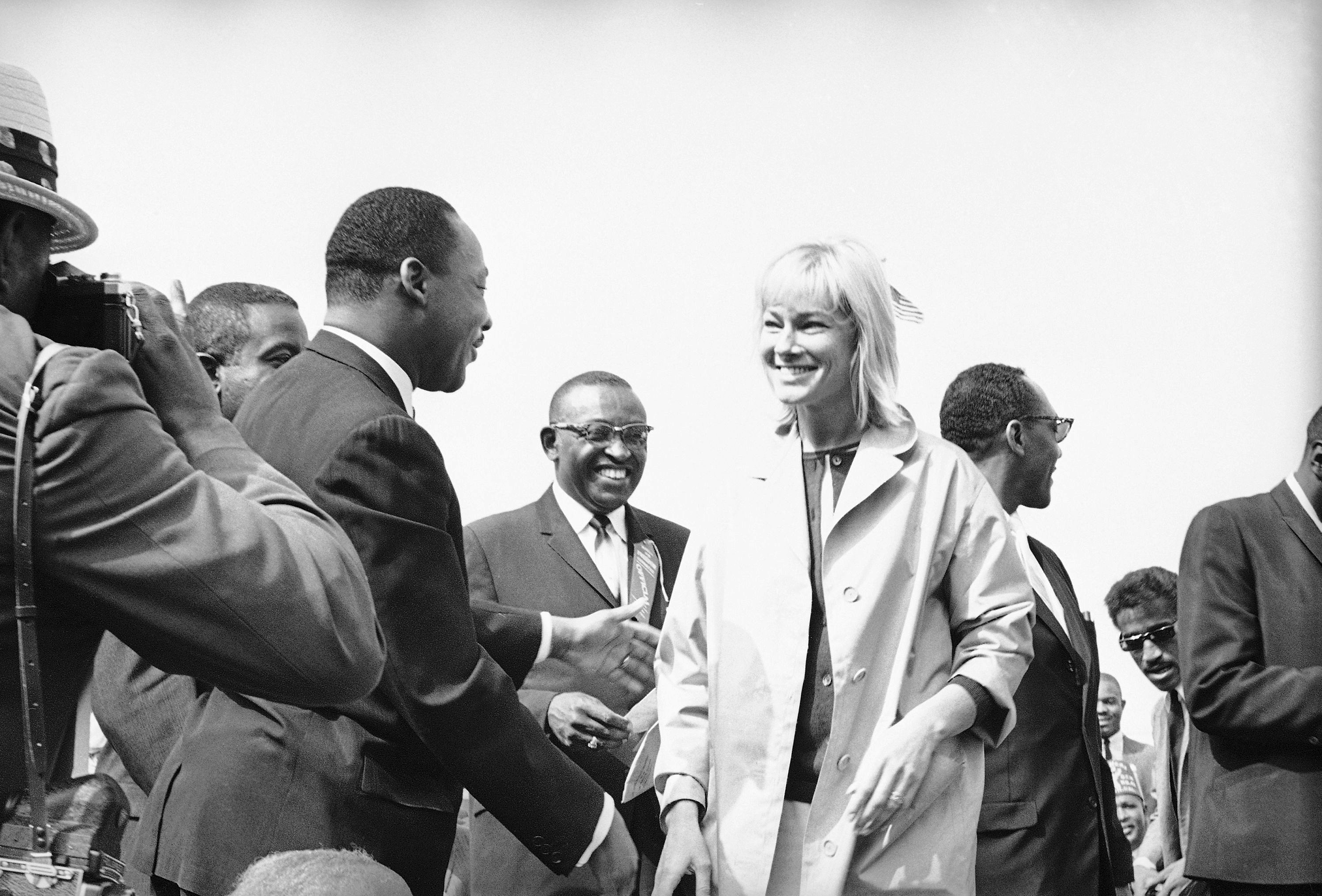
The final major event held at Wrigley Field in Los Angeles came on May 26, 1963, when it hosted the largest civil rights rally in the city’s history; approximately 40,000 people were on hand to hear Martin Luther King Jr. speak that day in the “Los Angeles Freedom Rally.”
Given its proximity to Hollywood, Wrigley Field was also the setting for many baseball movies over the years, including “Babe Comes Home” (1927), “The Pride of the Yankees” (1942), “It Happens Every Spring” (1949) and “Damn Yankees” (1958). It also appeared in TV shows like “Home Run Derby” (1959) – an airing of one-on-one matchups between the game’s most famous sluggers -- “The Twilight Zone” (1960), “The Munsters” and “Mannix” (1969).
Today, on the site where Wrigley Field once stood is the Gilbert W. Lindsay Recreation Center, named after the first African American elected to the Los Angeles City Council. It includes a baseball diamond that among the locals is appropriately known as Wrigley Field.