

This story was excerpted from Anthony DiComo’s Mets Beat newsletter. To read the full newsletter, click here. And subscribe to get it regularly in your inbox.
A few months before the 2018 season, the Mets signed Adrián González to become their everyday first baseman. A five-time All-Star, González came to the Mets cheaply, since the Braves and Dodgers were picking up most of his $22.4 million salary. He had missed much of the previous two seasons due to injury but offered plenty of pedigree. For the Mets, signing him seemed worth the gamble.
What happened next could at times be difficult to watch. At age 36, González proved quickly that he was no longer able to produce at a level befitting of a big-league first baseman. Twenty games into his season, González owned a .612 OPS. By mid-June, that mark had improved only to .672. All the while, González blocked prospects Dominic Smith and Pete Alonso at the position; reps that could have gone to them instead went to him, until the Mets finally relented and released González nearly halfway through the season.
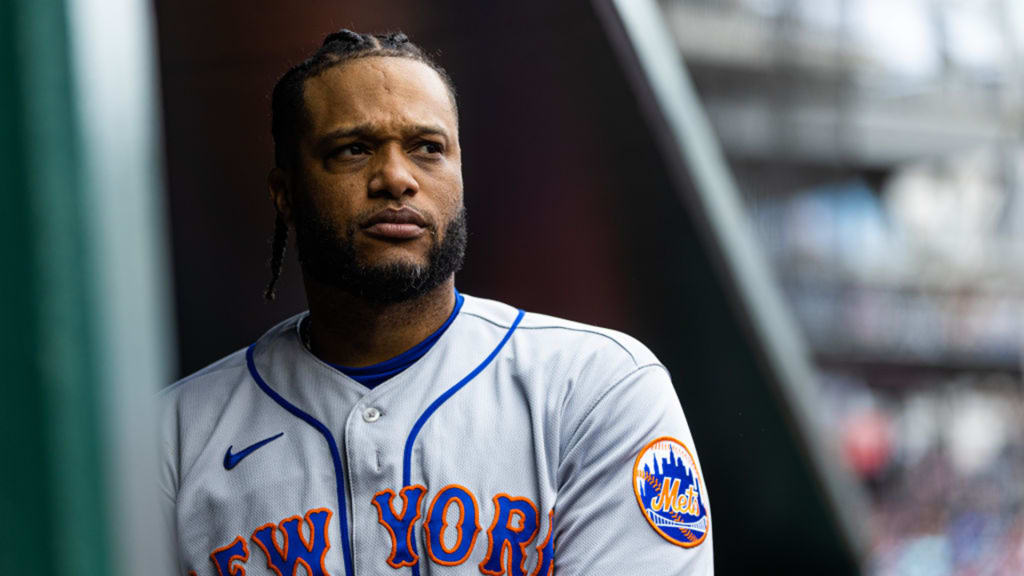
I’m not relaying this story to trudge up bad memories for Mets fans. I’m doing so to relate how much things have changed. The Mets gave Robinson Canó only 43 plate appearances before deciding that their best roster did not include him. There were no concerns about the fact that Canó was a name brand. There was no worry that Canó might hook on elsewhere and haunt them in the future. Mets officials simply evaluated Canó, decided that he wasn’t their best option, and then designated him for assignment.
As general manager Billy Eppler put it, the Mets made a baseball decision, plain and simple. And while it might have seemed like the obvious choice, it’s the type of move that hasn’t always happened here in Flushing. So often under previous regimes, the Mets have bowed to financial pressure, public perception, or both when evaluating roster moves.
Under owner Steve Cohen, none of that applies anymore; the Mets simply want to win. Money isn’t much of an object, considering Cohen’s billions. PR concerns no longer appear to be a driving factor in baseball decisions, either, which Eppler called “a pretty intriguing aspect of the job.”
“He owns our club,” manager Buck Showalter noted of Cohen. “At the end of the day, that’s his prerogative to do whatever he wants. Everything with Steve has been about baseball, and about what’s best for the team and the fans and the organization. Not just this decision, but every turn we’ve taken.”
Added Showalter: “He’s eliminated a lot of excuses.”