

Baseball is the national pastime for a reason, and each pocket of the country has its own unique connection to the sport. To celebrate the 250th anniversary of this nation, we’re taking you on a summer road trip across the U.S. with Baseball in America, presented by Booking.com, 50 stories from all 50 states. Follow along here.
One hundred and thirty-five years later, we’ll never know who would’ve won.
After all, nobody ever scored, and the players had a train to catch by the time the contest reached the 26th inning at 8:10 p.m. local time.
Officially, it was a tie. And a historic one, at that.
On July 18, 1891, what is believed to be the longest scoreless tie in the history of professional baseball was recorded in North Dakota.
That was when the Fargo Red Stockings and the Grand Forks Black Stockings of the Red River Valley League met in the second game of a doubleheader at the state’s militia training grounds in Devils Lake. The game was played there because the home team, Grand Forks, wasn’t drawing well and the Black Stockings decided to move the location.
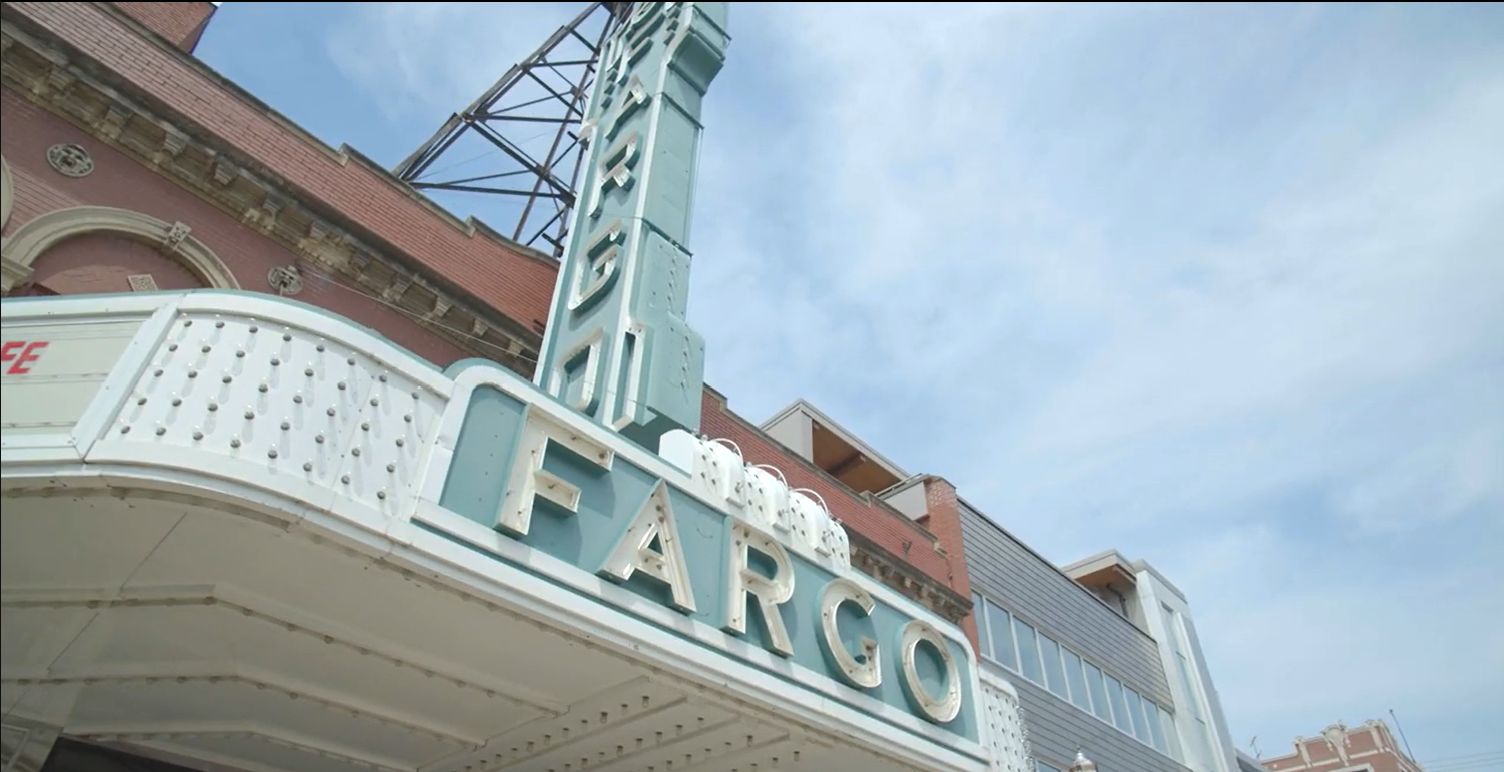
And talk about a pitching duel -- George Raymer (Fargo) and William Gibbs (Grand Forks) matched zeroes on the scoreboard for 25 innings. If one of the two aces had gotten the win in that game, it would have been the longest shutout in pro baseball history. But since nobody scored, there obviously was no winner.
The numbers are staggering. Raymer gave up 10 hits, walked four batters and struck out 18. Gibbs yielded 16 hits, walked six and struck out 18. They were the Juan Marichal and Warren Spahn of their time, except Raymer and Gibbs combined to throw 19 more innings than the two Hall of Famers did in their incredible battle at Candlestick Park in San Francisco some 72 years later.
More unbelievable stats and facts from the 25-inning marathon in North Dakota:
-- Every starter in the game played all 25 innings. That tends to happen when each side is only carrying 11 players.
-- Only three baseballs were used during the entire game. Three!
-- The game was “only” four hours and 10 minutes long, remarkable considering it reached the 26th inning.
-- The game wasn’t called entirely due to darkness -- the sun wouldn’t set until around 9 p.m. during the summer in North Dakota.
-- The Grand Forks club only played one more game after the historic marathon, disbanding due to financial trouble. The team’s owner, Tom Hill, sold its home ballpark for lumber in order to pay player salaries and outstanding debt.
The towns of Fargo and Grand Forks have had a sports rivalry for more than 150 years. Among the many memorable moments in the history of that regional rivalry, this one is certainly the most iconic.
Perhaps the Grand Forks Herald put it best after the game was declared a tie: “That is the kind of ball the boys are playing, and as stated in previous issues, they are thoroughly deserving of good support and hearty encouragement.”
It would take a lot of good support and hearty encouragement to get through 25 innings in a single game. Especially if each starting pitcher was going the distance.
In the end, it just goes to show you: Sometimes you win, sometimes you lose, and sometimes you have a 25-inning scoreless tie.