
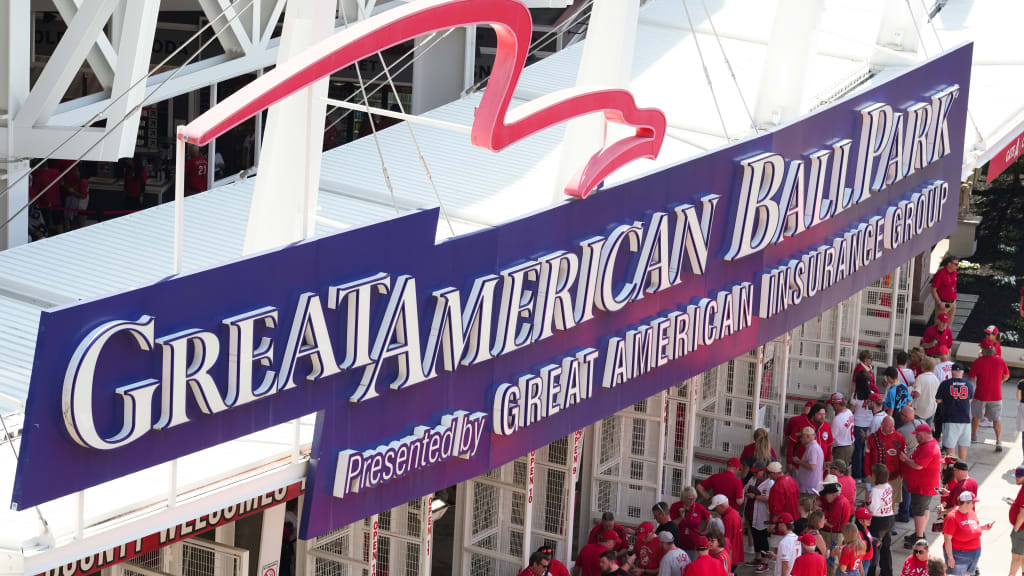
The crack of the bat, the smell of peanuts and the roars from the crowd are what lifelong Reds fan Jeff Wissel enjoys most at Great American Ball Park. But for Wissel, who is legally blind, coming out to the ballpark for a game can be a challenge.
The West Side Cincinnati native was diagnosed with a degenerative eye disease called retinitis pigmentosa and has difficulty accomplishing simple tasks every day. But that doesn’t stop Wissel from enjoying the Reds on the radio or coming to the ballpark when he can.
When speaking on the challenges the blind and Deaf community face, Wissel emphasized the vulnerability and anxiety he and others feel in situations that may seem routine for others.
Today, fans like Wissel can visit Great American Ball Park with more ease than ever before, thanks to the Aira Visual Interpreter app. The Reds partnered with the tech company in 2026 to provide a new level of accessibility to blind and deaf fans for no additional cost.
“When you’re offering the ability for myself and others to use Aira, it opens doors for us,” Wissel said. “It takes away that vulnerability because we can use this technology to do simple tasks like purchasing tickets at the ticket window.”
Founded in 2015, Aira services began with the goal of helping the blind community. Then in 2024, Aira established Aira ASL for the Deaf community to access audio information.
This season, the Cincinnati Reds became the first MLB team to provide Aira Explorer and Aira ASL to fans. Aira Explorer is an app for fans who are blind or have low vision. After creating a free account, fans can connect with a professional interpreter through their phone’s camera and microphone to help navigate throughout the ballpark.
When coming to test out Aira in Great American Ball Park with Reds staff, Wissel’s driver accidentally dropped him off a few blocks away from the ballpark. He didn’t know where he was or how to get to the ballpark entrance. But thanks to Aira and his service dog, Gabe, Wissel found his way.
For people with disabilities, experiences like this cause people to avoid going to games so they don’t feel uncomfortable or vulnerable.
“In our human nature, we tend to hide our vulnerabilities,” Wissel said. “Nobody likes to feel vulnerable. You want to be in charge and independent. We’re like everybody else. We want to able to fully participate.”
Fans also have access to Aira ASL, an app for fans who are deaf or hard of hearing, which connects an individual to live, professional American Sign Language interpreters.
Henri Grau, director of community engagement for Aira ASL, expressed his similar experiences being deaf and the hardship of communicating with those who don’t know sign language.
“When I’m in a long line of people and they are ready to take my order, I know that the line behind me is as equally long as I’ve waited,” Grau said. “I worry that my communication and interaction trying to order something is going to take very long and the people behind me will get upset. But with Aira, I feel more confident and less anxious about causing a scene.”
Grau is also able to communicate with ushers, hear the announcements being read and start a conversation with the people sitting next to him using the Aira ASL app.
“The best thing about the app is that it isn’t just for people who are deaf or blind,” Grau said. “Anyone could download the app and have it on their phone.”
Whether helping communicate with Reds ticketing staff or navigating to the restroom, Aira interpreters can help blind and deaf fans find their way around the ballpark and communicate with others in any scenario. The ability to do things independently allows people, like Wissel, to not have to ask their family if he can “borrow their eyes for a minute.”
With Aira, Wissel is now able to ask his family and friends if he can get them anything to eat when he gets out of his seat. Simple tasks like this are important for Wissel to not feel defined by his disability.
“You may never know the impact you’re having on people,” Wissel said. “In the bottom of our hearts, you’re helping people find their inner voice to feel comfortable in their passions. You’re helping people be a director of their narrative instead of a victim.”
Wissel recently accepted a position as Aira’s vice president of accessibility, and he couldn’t be happier to share Aira and their mission with the world.
“The golfer never goes out with just one club,” Wissel said. “He takes a whole bag of clubs because each club does different things, has different advantages and makes different shots. It’s the same with Aira. We’re not the solution for everything but we’re a great solution for those who need us.”
And for Aira, this is only the beginning.
“I hope other [MLB and other professional] teams will follow,” Grau said. “Especially for people who love their team and might not have access to all the visual or audio information.”
On Aug. 1, Grau and members of the Aira team, alongside the Deaf Center, St. Rita School of the Deaf, Ohio Valley Voices and local Hands and Voice chapters will get to share their love for the Reds together after organizing their own Deaf Night at the ballpark.
By removing anxiety and vulnerability when attending a game, the Reds and Aira’s partnership will ensure ease and independence for all to enjoy America’s pastime at Great American Ball Park.
“The Reds are helping people to experience these situations without vulnerability and you’re helping normalize disability by creating inclusion,” Wissel said. “It’s just spectacular.”