
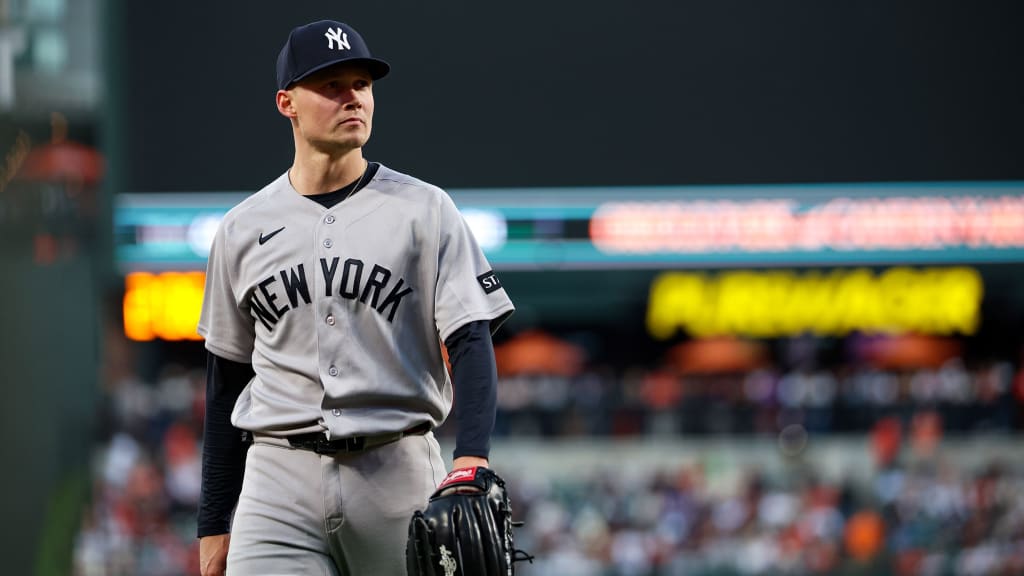
“Next man up” is a well-known phrase in the world of sports. It’s a mentality that no matter who goes down to injury, the expectation is for the player behind them to step up and shoulder more responsibility for the good of the team.
When a trio of starting pitchers began the season on the injured list, the Yankees looked to Will Warren as one of the next men up in their pitching rotation. One key difference for Warren this year, though, is that he was not coming in with a lack of experience or playing time.
With Gerrit Cole and Carlos Rodón missing much of the first two months, and Clarke Schmidt a few months behind them, Warren -- who was already becoming a fixture in the Yankees’ rotation entering his third season in the bigs -- moved up to become the No. 3 starter, adding a bit more responsibility from the previous two seasons.
Warren’s response to the move proved he was capable of handling it. A change in mentality and a growing familiarity with the pressure that comes with being a starting pitcher for the New York Yankees led to a strong start to the 2026 season.
Entering June, Warren was tied for fifth in all of Major League Baseball with seven wins, which also tied him with Cam Schlittler for most on the team. Posting a 3.22 ERA across his first 12 starts, Warren also had an impressive strikeout-to-walk ratio of 3.68.
Warren recently sat down with Yankees Magazine associate editor Robert Hudson to discuss what he has learned and what has changed since he broke into the bigs in 2024, how he views his success so far in 2026, and the experience of rising through the Yankees organization.
Yankees Magazine: Through the season’s first few months, you were among the league leaders in wins. What has been the key to that success?
Will Warren: Shoot, I’ve been throwing the ball well, but overall, I think the wins come from the team. I’ve got good defense behind me, catchers calling a good game, and ultimately the offense is putting up a lot of runs. It’s nice to have that behind me when I’m on the mound.
YM: What kind of confidence does that give you, knowing the bats that you do have on offense and the defense you have behind you?
WW: I think it’s just about attacking the zone and not really worrying about giving up damage or anything like that. Obviously, we want to limit as many runs as possible, but when you’ve got a lineup like this, we’re probably going to put up five-plus runs every night, so it just gives me confidence to go out there and trust my stuff.
YM: You’ve recorded a lot of strikeouts and not as many walks this year. How do you approach each at-bat, and what is your mindset out there?
WW: Kind of hitting back on what I just said, I think the confidence comes and therefore you attack the strike zone a little more. You’re not nibbling on the corners and worried about the damage that they’re going to do at the plate. It’s more of, Hey, I’m going to trust my stuff. I’ve got eight guys behind me that are really freaking good. And I think it’s just throwing it up there with the confidence that my stuff’s going to beat them, and if something does happen -- they earn their way on or earn their runs -- then we’re going to come up and score runs, too.
YM: This was your second year making the Opening Day roster; you’re becoming a fixture in the rotation. What have you learned going back to 2024, when you came up in the middle of the season, to now?
WW: I think the mindset has definitely changed. The Yankees, we’ve got some really freaking good players, and I think coming up in ’24 it was, How do I stick around? How do I do this? It was a little timid mindset, just trying to not make a mistake. And I think the last two years it’s just been like, Hey, let’s go pitch. Let’s go be Will Warren and have confidence throwing the ball and try to go as deep as I can in the game.
YM: What do you think you’ve improved on the most since then?
WW: I think mindset. Everyone talks about how baseball is a mental game, and I think that’s really what I’ve tried to work on over the last couple years -- having a fearless mindset when you take the mound. Again, you’re not worried about if they hit a solo homer or if you walk somebody. It’s just staying pitch to pitch. Whatever is called through that PitchCom, just make sure I’m ready to execute it every time.
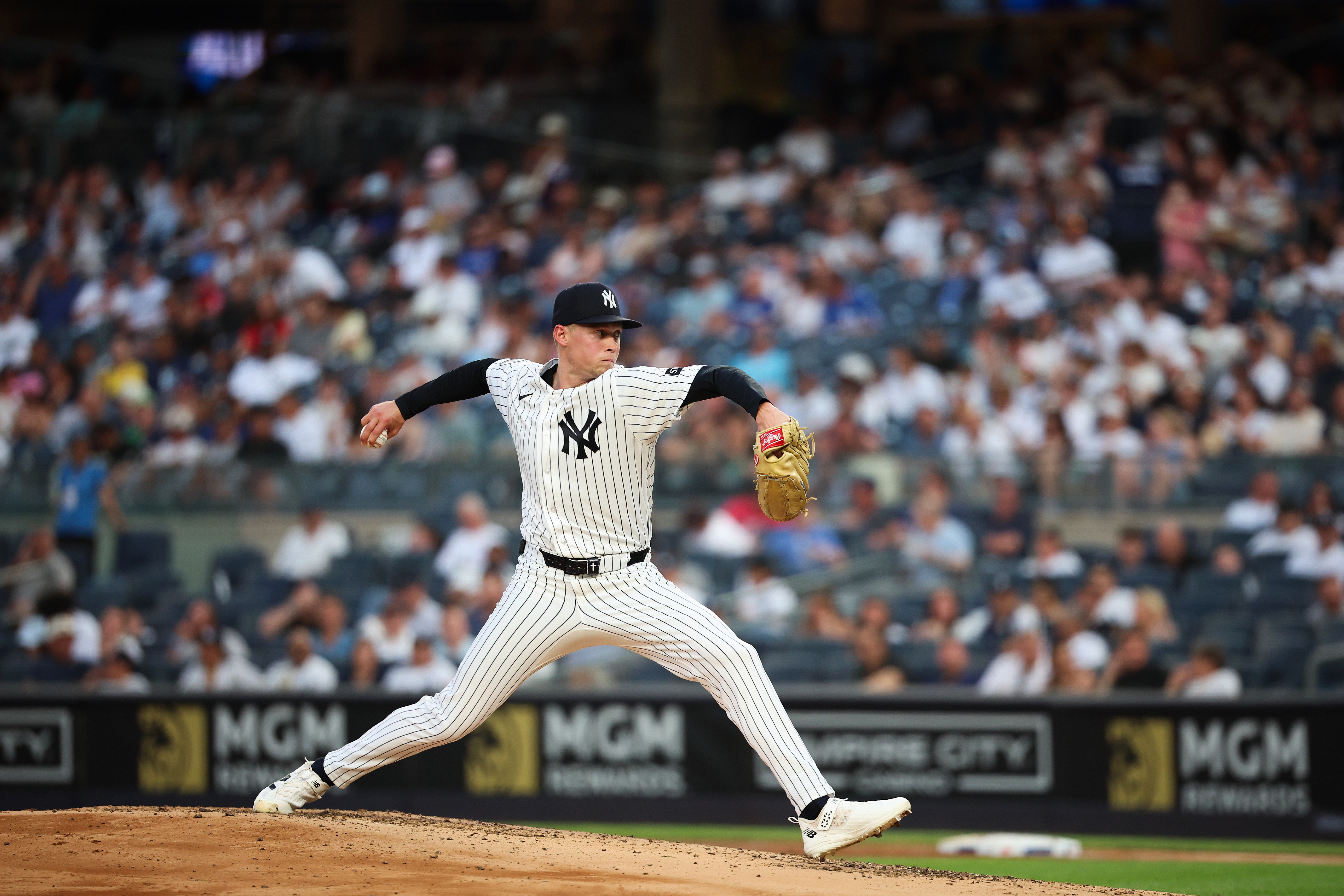
YM: How different was it preparing at the beginning of the year, knowing that Gerrit Cole, Carlos Rodón and Clarke Schmidt were going to be out and you were going to be stepping up in the rotation?
WW: It always stinks when guys go down, but it’s a “next man up” mentality. That’s what’s weird about baseball, I feel like, rather than the rest of the sports. You play 162 games, somebody’s got to step up. So, I think it was just having the confidence, going out there and not trying to be Gerrit Cole and Carlos Rodón or whoever’s down, and just be me and go out there and pitch with that confidence.
YM: Did you feel any added pressure knowing you had to take on more responsibility?
WW: There’s always pressure in New York, so I don’t think there’s any added pressure, and that goes back to the mindset thing. Stay pitch to pitch, inning to inning, game to game, and don’t look ahead and don’t look at past things. You can learn from your mistakes, you can learn from stuff you’ve done well, but don’t make it bigger than it already is. Just go out there and play your game, and I think everything else will fall into place.
YM: How do you maintain focus when things aren’t going well?
WW: It’s just staying in the moment, in that pitch-to-pitch mindset. This is a tough game we play, and those guys are really good on the other side of the field a lot of times. So, some things are out of your control, and I think controlling your mindset is something that we can do pitch to pitch and just staying in the present and not making it bigger than what it is.
YM: There are a few pitchers on this staff that could be considered aces in their own right. What have you learned as a young pitcher from guys like Gerrit, Carlos and Max Fried?
WW: You know you’re going to pitch every five to six days depending on what the schedule lines up as, and those guys have taught me every day to find a way to improve in between starts. The day after a start, you’re not going to be doing much, but you can go back and look at scouting reports, figure out what went wrong or what I did right and use that week to work on stuff going into your next start. You’re not dwelling on the past or riding the high of your past, it’s just getting back to work the next five days until you take the mound again. I think those guys have done that well for a long time, and that’s why they’re aces. So, picking up stuff like that is super helpful for me.
YM: What did you think of the way you guys started the season as a rotation?
WW: We’ve got some dudes on this staff, and if you’re asking me, I think we’re the best staff in the entirety of baseball. Our bullpen’s unbelievable. There’s just a confidence throughout the clubhouse. We take the mound to start the game, let’s see how deep we can go. When we get done, which one of those dogs is coming in to close the game out? I think it’s just an abundance of confidence on the staff.
YM: You touched on it a little bit, but how big of an adjustment has it been dealing with that pressure of playing in New York and knowing what the fanbase demands?
WW: Look, it’s New York. Not everybody can play here. You don’t realize that until you get here. It’s different, but it’s a lot of fun. Having the target on your back when you play other teams -- they want to beat the Yankees. The fans here demand excellence, and I think we expect ourselves to be excellent and the best team at the end of the day. I think that added pressure gets you fired up to take the field every day.
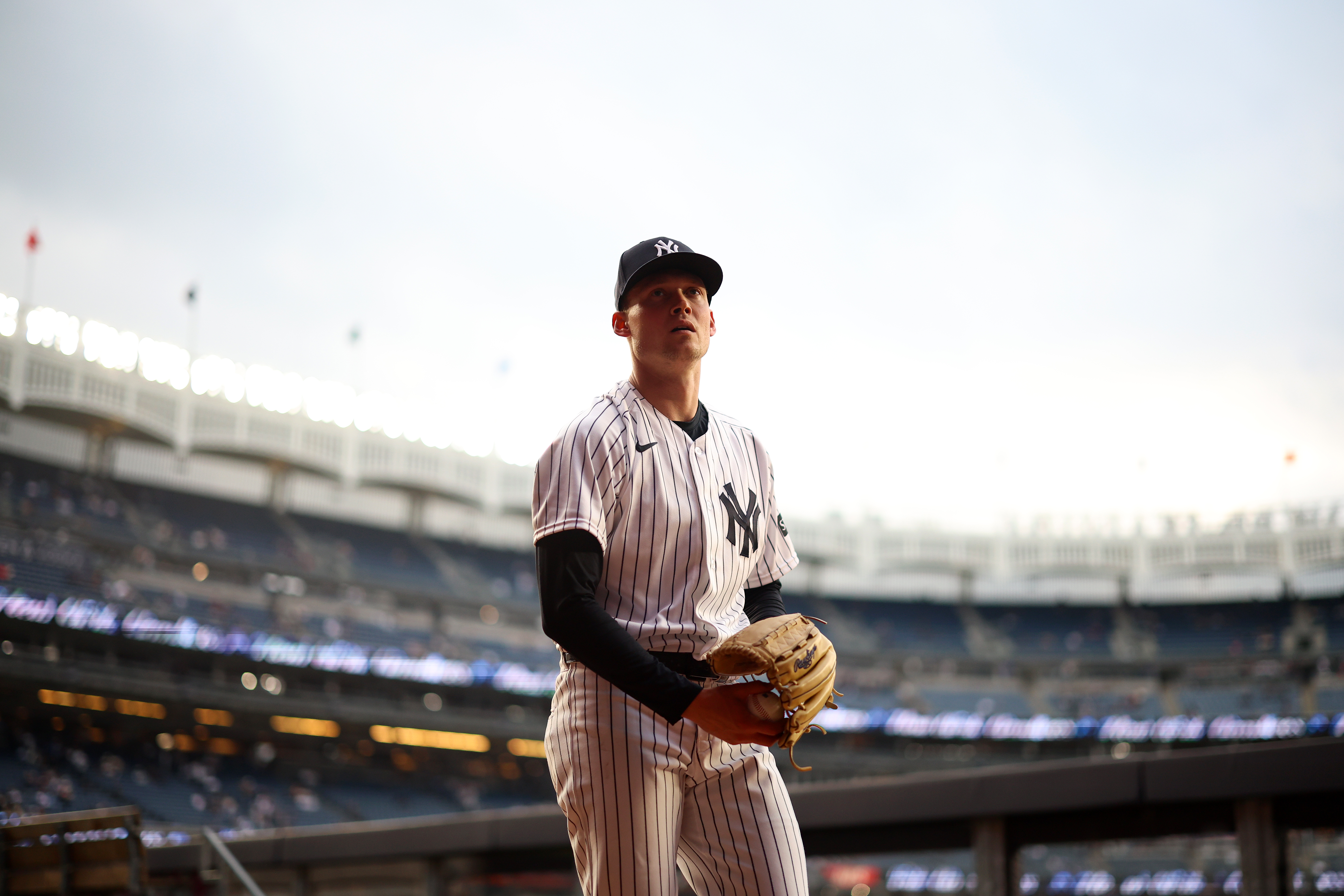
YM: This is an organization that obviously prides itself on homegrown players, guys who have been with the organization and risen through the ranks, such as Aaron Judge. What was that experience like for you being developed by the Yankees and being able to rise through an organization like this?
WW: Wearing the pinstripes is heavy. I think that’s just been molded over the past few years after getting drafted by them. Everybody wants to debut, but when you get drafted by the Yankees, it’s like, I want to play for the Yankees! And so, it’s really cool to come up here and experience that with guys that I played in the Minor Leagues with. But I think they instill that pinstripe pride in your head once you get drafted and moving all the way up. It’s really cool to be taking the field in Yankee Stadium every day.
YM: Guys like you, Cam Schlittler, Ryan Weathers, being on the younger side, what does that mean to you being able to step in with veteran guys like Gerrit Cole on the staff?
WW: I think it’s really cool because all of us have watched these guys do it for so long. I can remember watching Gerrit, watching Max and wanting to be in that position. And now here we are, trying to make an impact any way we can here in the clubhouse. It’s cool to take the field with them, but it’s also cool to talk to them and pick up information from them. Some of these guys in our clubhouse have been doing it for more than 10 years, so I’m trying to follow in those footsteps and pick up any information along the way that I can.
YM: Last year, you were given a lot of responsibility, starting 33 games. What did it mean to you to go out there and be able to compete during the highs, during the lows and know the team had your back?
WW: Availability is hard to come by in this game. We play so many that it’s high stress, high leverage a lot of the times, so being able to take the ball every five days when my name is called was a big deal for me. I was very blessed to stay healthy, but it was cool to make an impact like that and know that every few days I was going to be taking the mound and trying to give us a chance to win.
YM: What does success this season look like for you personally, and what are you hoping to work on?
WW: My job as a starting pitcher is to make as many starts as possible and go as deep into the game as possible, so just making sure I stay healthy and give us a chance to win every five or six days.
This interview has been edited for clarity and length.
Robert Hudson is an associate editor with Yankees Magazine. This story appears in the July 2026 edition. Get more articles like this delivered to your doorstep by purchasing a subscription to Yankees Magazine at www.yankees.com/publications.