


4 Days in Chicago: The Complete Itinerary
Four days in Chicago gives you time to see the major attractions, eat at restaurants worth remembering and explore neighborhoods that most visitors miss. The first two days cover the downtown essentials. The third day pushes into the neighborhoods. The fourth day leaves room for a day trip, a deeper museum visit or a second pass at the spots you liked best. Here is a day-by-day plan that balances structure with flexibility.
Day One in Downtown
Spend the first day anchored in the Loop, covering the landmarks and attractions that define the city center.
Morning at Millennium Park and the Art Institute
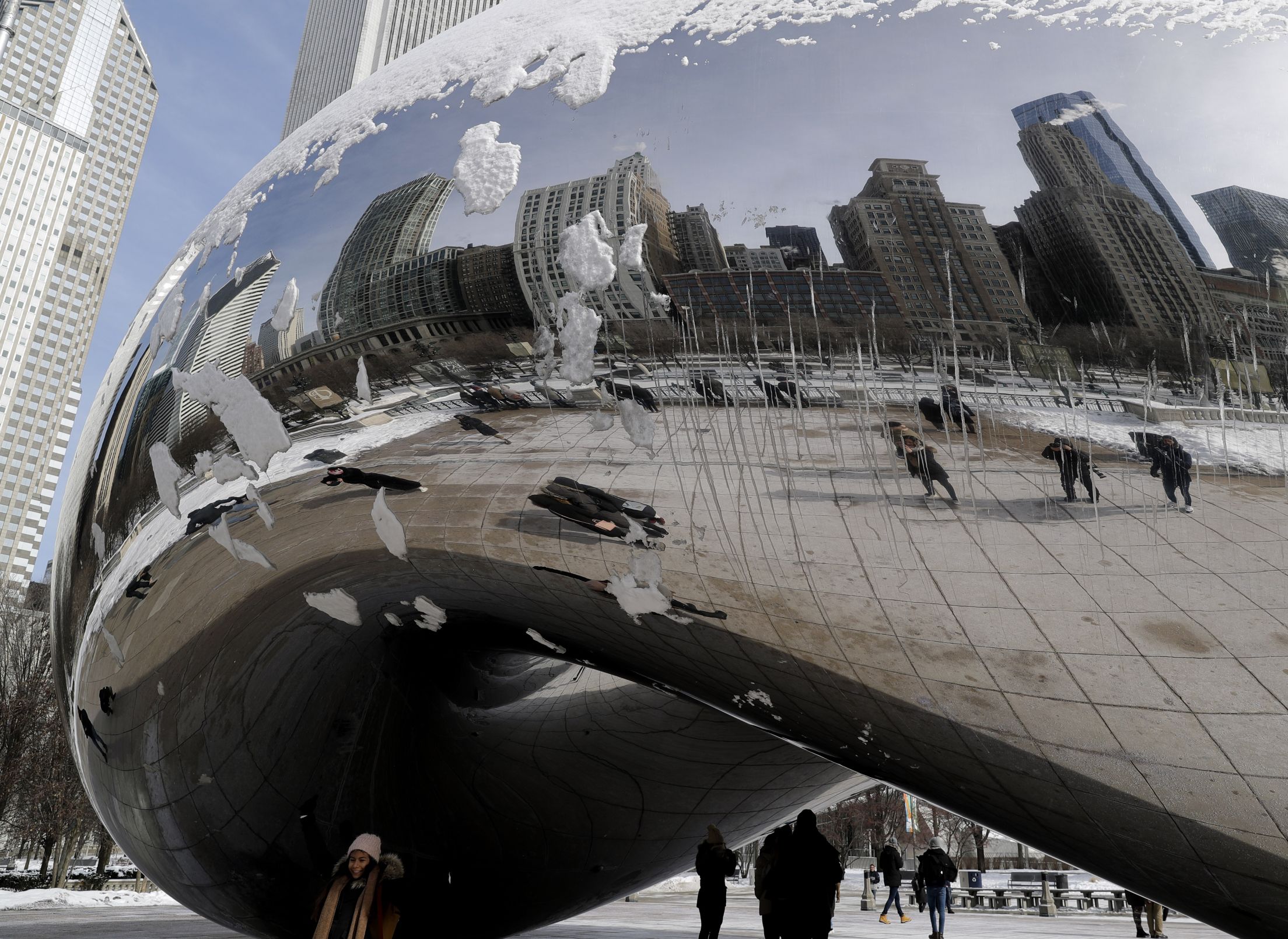
Start at Millennium Park before the crowds build. Walk past Cloud Gate, through the Lurie Garden and along the Pritzker Pavilion. Then cross Monroe Street to the Art Institute of Chicago and spend about two hours in the galleries. One scheduling note: the Art Institute is closed Tuesdays, so if your first day lands on a Tuesday, flip Day One and Day Two. The Impressionist wing and the Modern Wing by Renzo Piano are the two strongest sections for a first visit.
Afternoon on the Riverwalk and a Skyline View
Walk north to the Chicago Riverwalk and head west along the south bank, passing restaurants, wine bars and public seating areas. After the walk, head to either Skydeck Chicago at Willis Tower or 360 Chicago for a panoramic skyline view. Late afternoon light hits the city well from both observation decks.
Evening in River North
Cross the river into River North for dinner. The neighborhood's restaurant and bar concentration makes it easy to walk between a reservation and an after-dinner drink. Hubbard Street and the blocks surrounding it anchor the nightlife.
Day Two Across the Museums and Lakefront
The second day focuses on the Museum Campus and the lakefront, which reward a full day of exploration at a comfortable pace.
Morning at the Museum Campus
The Field Museum, Shedd Aquarium and Adler Planetarium share the Museum Campus south of Grant Park. Picking one museum for a deep visit, or splitting a morning between two, avoids the fatigue that comes from trying to see all three. The Field Museum's dinosaur halls and Shedd Aquarium's underwater galleries are the two strongest draws for most visitors.
Afternoon Along the Lakefront
Walk or bike the Lakefront Trail north from the Museum Campus through Grant Park and toward Lincoln Park. North Avenue Beach is a natural stopping point, with food, public restrooms and skyline views looking south. If the weather cooperates, renting a Divvy bike makes the ride comfortable and covers more ground.
Evening in the West Loop
Head to the West Loop for dinner on Randolph Street, where several of Chicago's most acclaimed restaurants operate within a few blocks. Reserving in advance is essential for weekend evenings.
Day Three in the Neighborhoods
The third day takes you out of the downtown orbit and into the neighborhoods that give Chicago its personality.
Morning in Lincoln Park
Start with brunch near Armitage and Halsted, then walk through Lincoln Park to the free zoo. The Chicago History Museum, on the park's south edge, offers a focused look at the city's past in about 90 minutes.
Afternoon at Wrigley Field
Take the Red Line from Fullerton to the Addison stop and spend the afternoon in Wrigleyville. If a Cubs game aligns with your schedule, an afternoon day game is one of the best experiences in the city. On non-game days, a Wrigley Field tour takes you through the press box, dugout and behind the scenes. Browse Gallagher Way for events and grab gear at the Cubs Store at Gallagher Way (3637 N. Clark St.) or the Cubs online store, then check the Cubs schedule to line up a game.
Evening in Wicker Park or Logan Square
Take the Blue Line to the Damen or California station and explore Wicker Park or Logan Square for dinner, cocktails and live music. Both neighborhoods have strong food scenes and a distinctly different energy from downtown.
Day Four for Flexibility
The fourth day is yours to customize based on weather, energy and what caught your interest on the first three days.
A Day Trip Outside the City
Indiana Dunes National Park (one hour by car or South Shore Line), Starved Rock State Park (two hours by car) and Milwaukee (90 minutes by Amtrak) are all reachable for a full-day excursion. Lake Geneva, Wis., works for a scenic driving day.
A Deeper Museum Visit
The Griffin Museum of Science and Industry (still widely called MSI) in Hyde Park, the National Museum of Mexican Art in Pilsen, or a return visit to the Art Institute each justify a half-day on their own.
Neighborhood Exploration
Pilsen, Andersonville, Chinatown and Hyde Park each offer food, culture and walkability that reward an unhurried afternoon. Pairing brunch in Pilsen with an afternoon in Chinatown or a morning in Andersonville with lunch on Devon Avenue creates a full day of eating and exploring.
Frequently Asked Questions
Is four days enough for Chicago?
Yes. Four days covers the major attractions, two or three neighborhoods and leaves room for a day trip or a repeat visit to a favorite spot.
What should I see first in Chicago?
Millennium Park, the Art Institute and the Chicago Riverwalk on day one give you a strong introduction to the city.
Can I fit a Cubs game into four days?
Absolutely. Day three's afternoon in Wrigleyville is the natural slot for a game or ballpark tour.
Should I do a day trip on a four-day Chicago visit?
If the weather is good, a day trip to Indiana Dunes or Starved Rock adds variety. If the weather is not cooperating, spending the fourth day at museums and restaurants works just as well.
Do I need a car for four days in Chicago?
No. The L, buses, Divvy bikes and rideshare cover the entire itinerary. A rental car is only necessary if you plan a day trip to Starved Rock, Lake Geneva or Galena.
When is the best time for a four-day Chicago trip?
Late May through June or September through mid-October offer the best combination of weather, crowds and hotel pricing.