

Best Chicago Weekend Ranked by Season
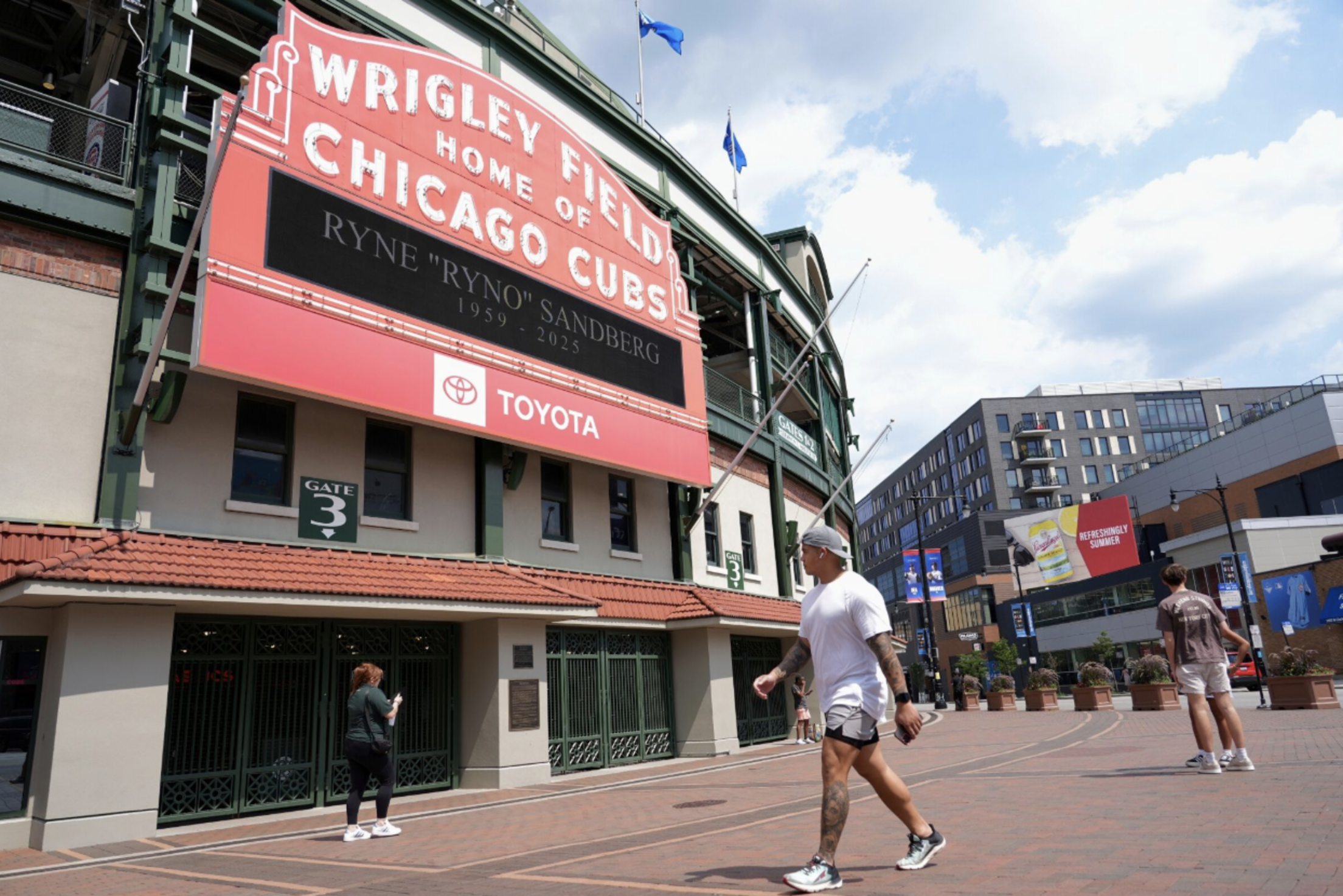
Everyone wants to know: when's the best time to visit Chicago for a weekend? The honest answer is that every season has something going for it. But some months are clearly better than others, depending on what you're looking for.
Chicago is a four-season city with a personality that shifts dramatically from January to July. Your ideal weekend depends on whether you prioritize perfect weather, smaller crowds, lower prices, or access to Cubs baseball and outdoor festivals. Here's the full breakdown.
Summer (June Through August)
If you can only pick one season, summer wins. Chicago transforms into an outdoor playground, and the energy across the city is unmatched.
Why Summer Weekends Are the Best
Temperatures range from the mid-70s to the high 80s. The lakefront fills up with runners, cyclists, and beachgoers. Neighborhood festivals happen nearly every weekend. And the Cubs are playing at Wrigley Field, which means the Wrigleyville neighborhood is alive with fans, restaurants, and that unmistakable gameday buzz.
Summer is when you'll find:
- Day games at Wrigley Field with sunshine in the Budweiser Bleachers
- Free festivals like the Chicago Blues Festival and the Grant Park Music Festival
- Outdoor dining on patios and rooftops across the city
- Beach days along Lake Michigan
- Navy Pier fireworks every Wednesday and Saturday night
The Summer Trade-Off
Crowds are at their peak. Hotels cost more. Popular restaurants need reservations. And the heat can be intense, especially in the Budweiser Bleachers during a day game. If you're okay with the buzz, summer weekends are absolutely electric.
Early Fall (September)
September might be Chicago's best-kept secret. The summer crowds thin out, but the weather stays warm, and the Cubs are still playing.
Perfect Weather Without the Crowds
Temperatures in September range from the mid-50s to the high 70s. That's warm enough for outdoor activities but cool enough to walk all day comfortably. Wrigley Field tours are easier to book, restaurant reservations are simpler, and museum lines shrink noticeably.
The Cubs are wrapping up the regular season, so you can still catch a game. September also brings the Chicago Jazz Festival, one of the oldest free lakefront music festivals in the city.
Why September Doesn't Get Top Billing
Late September brings a quick temperature drop. The window of great weather is about three weeks, and you need to time it right. Evening events start requiring a jacket, and some outdoor attractions begin winding down their hours.
Late Spring (May and June)
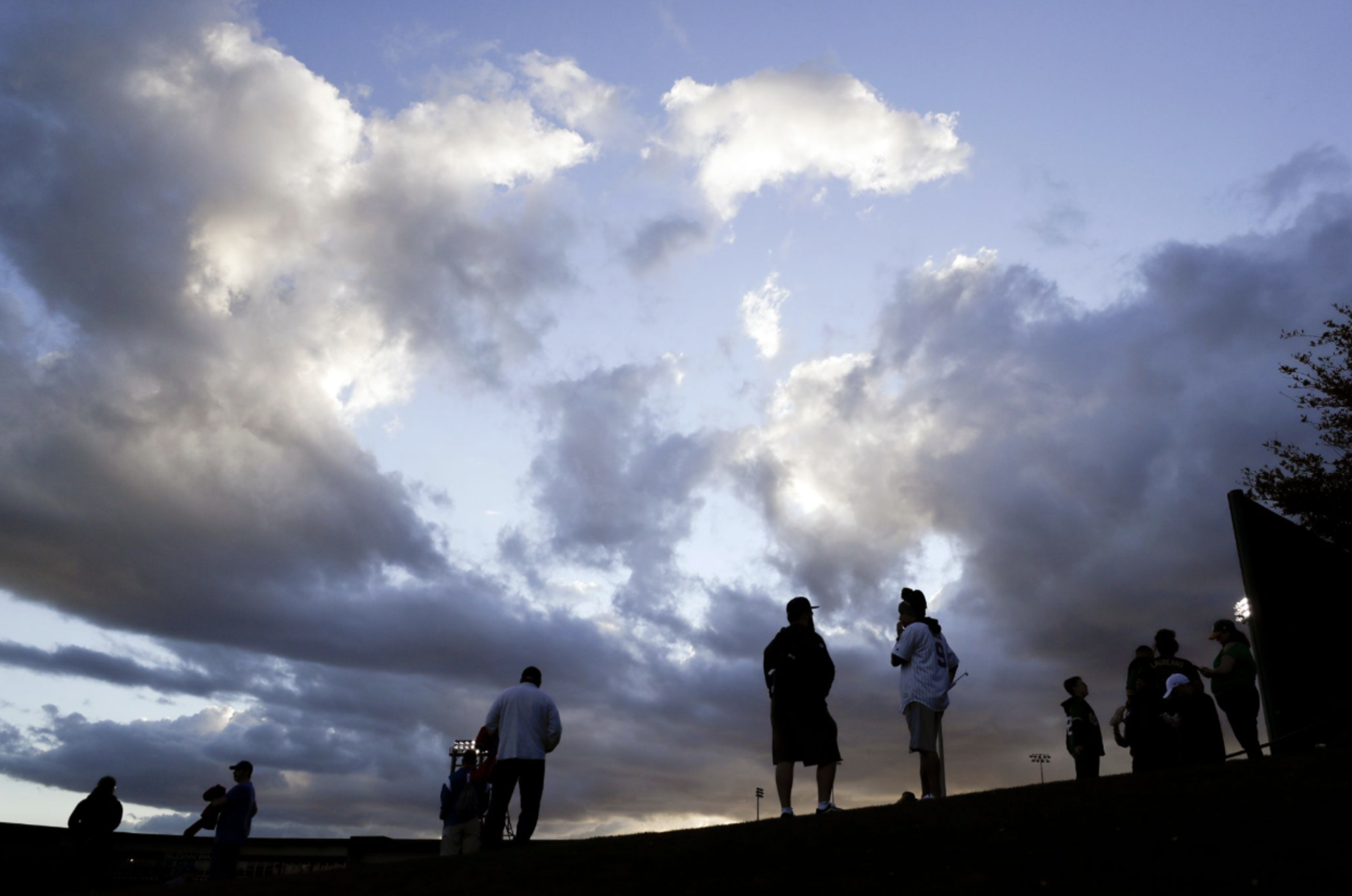
May and June offer mild weather and the excitement of a new Cubs season getting into full swing.
A City Coming Back to Life
After a long Chicago winter, late spring feels like a celebration. Temperatures range from the mid-60s to the low 80s. The lakefront trail fills up, patios open, and the first big festivals of the year start rolling.
May kicks off the season with neighborhood fests and the beginning of regular-season baseball. June brings the Chicago Blues Festival and the Old Town Art Fair. A weekend ballpark tour paired with lunch in Wrigleyville is one of the best spring activities in the city.
Spring's Unpredictable Side
Rain is more frequent in April and May (about 12 rainy days per month on average). The weather can swing from 50 to 75 degrees in a single day. Pack layers and a rain jacket if you're visiting during these months.
Winter (December Through February)
Most people write off Chicago winters, but the city does cold weather better than almost anywhere else in the country.
The Case for a Winter Weekend
Hotel prices drop significantly in January and February. Flight deals are at their cheapest. The city leans into the season with holiday lights, ice skating at Millennium Park, and some of the best indoor dining you'll find anywhere. Deep-dish pizza crawls, comedy shows at The Second City, and museum visits without long lines make winter weekends surprisingly appealing.
The Winter Reality Check
Temperatures average around 30°F, and the wind off Lake Michigan makes it feel colder. Outdoor activities are limited. But if you don't mind bundling up, a winter Chicago weekend offers incredible value.
Shoulder Seasons (April and November)
March brings Opening Day at Wrigley Field, one of the most exciting days on the Chicago calendar. November offers a quieter Chicago with easier access to dining, museums, and the Cubs Team Store.
The Final Ranking
- Best overall: Summer (June through August) for maximum activities
- Best balance: September for great weather and fewer crowds
- Best value: January and February for cheap flights and hotels
- Most unpredictable: March and April for variable weather
Plan Your Perfect Chicago Weekend with the Cubs
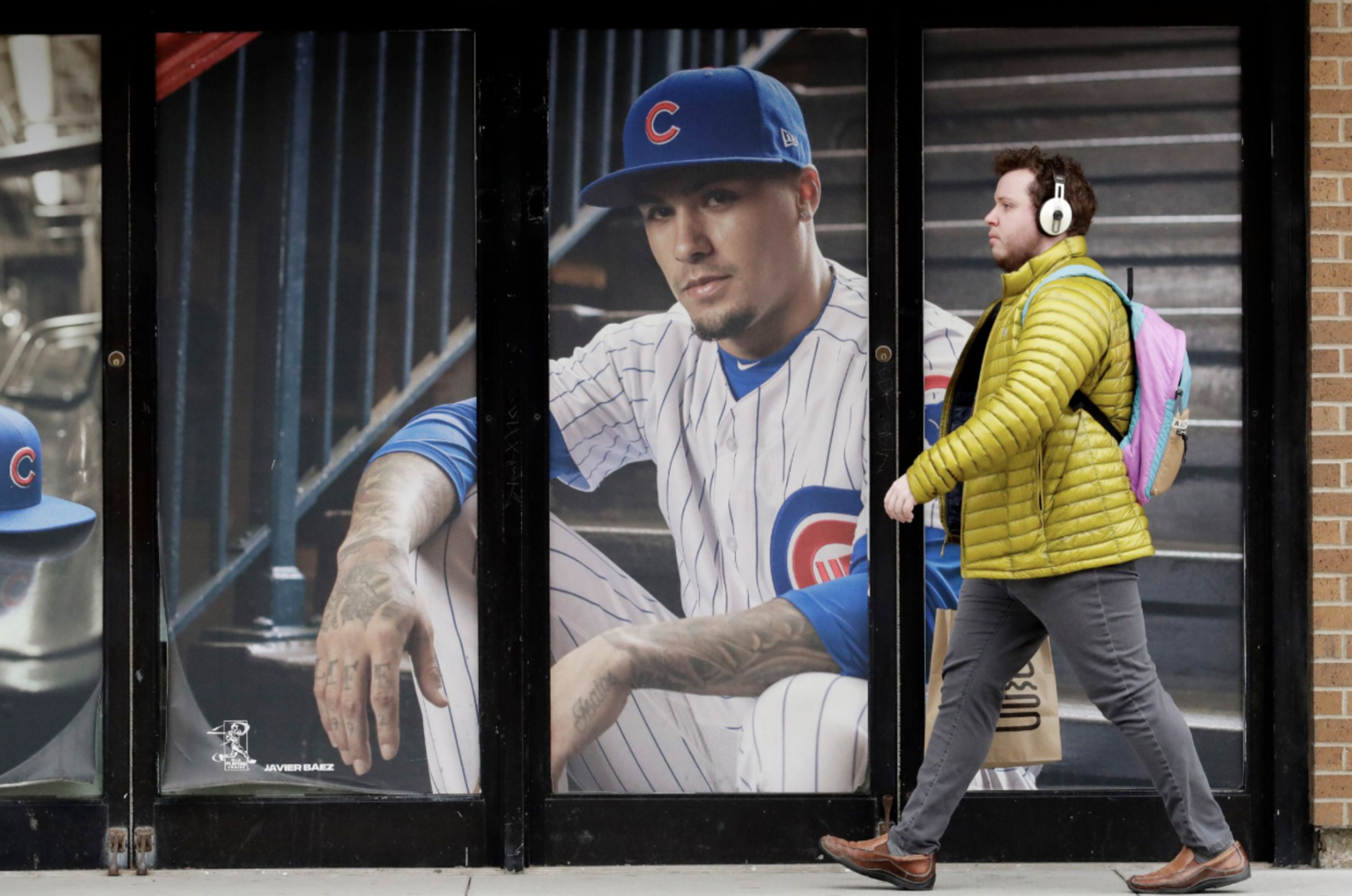
No matter what season you visit, the Chicago Cubs have something waiting for you at the Friendly Confines. From special ticket offers during the season to year-round Wrigley Field tours and Gallagher Way events, there's always a reason to visit the North Side. Check Cubs.com for the latest schedule and availability.
Frequently Asked Questions
What's the best month to visit Chicago for a weekend?
June and September typically offer the best combination of weather, activities, and manageable crowd levels.
When are Chicago hotel prices lowest?
January and February offer the lowest hotel rates. Booking midweek stays or shoulder season weekends (April, November) also tends to save money.
What season has the most free events in Chicago?
Summer (June through August) has the most free festivals, concerts, and outdoor events. The Chicago Blues Festival and Grant Park Music Festival are both free.
Is Chicago too cold to visit in January?
Average highs hover around 32°F. Indoor attractions, dining, and comedy shows make winter visits enjoyable, but cold-weather gear is essential.
When does the Cubs baseball season start?
The regular season typically begins in late March or early April. Opening Day at Wrigley Field is one of the most anticipated events of the year.