

Best Greek Food in Chicago (Greektown Guide)
Chicago's Greektown on South Halsted Street between Van Buren and Jackson has been a destination for Greek food since Greek immigrants settled the Near West Side in the early 1900s. The neighborhood is smaller than it once was, but the restaurants that remain are among the oldest and most consistent Greek kitchens in the country. Flaming saganaki, slow-roasted lamb, crispy calamari and fresh-baked baklava are served with a generosity that reflects the culture behind the food. Here is where to eat, what to order and how to get there.
Greektown on Halsted Street
The core of Chicago's Greek dining scene sits along a roughly four-block stretch of South Halsted Street, accessible from the UIC-Halsted station on the Blue Line.
The Neighborhood's History
Greek immigrants began settling this part of the Near West Side in the late 1800s, and by the mid-20th century the neighborhood was one of the largest Greek communities outside of Greece. Urban renewal and highway construction displaced much of the residential population, but the restaurant corridor survived and continues to anchor Greek culture in the city. The Hellenic Museum and Cultural Center sits nearby, adding historical context to the food.
What to Expect
The Greek restaurants still along Halsted serve large, family-style portions with warm service. Greek Islands is the neighborhood flagship; Athena has a patio with skyline views; and 9 Muses, Mr. Greek Gyros, Meli Cafe and the newer, modern Ithaki Estiatorio round out the current lineup.
The atmosphere leans traditional: white tablecloths, Greek music, murals of Mediterranean coastlines and waiters who have been working the room for decades. Most spots are open for lunch and dinner, and several stay open late for post-theater and late-night dining crowds.
What to Order
Greek cuisine in Chicago is built around shared plates, grilled meats and seafood, and a few local rituals worth experiencing on your first visit.
Saganaki
Saganaki, a block of kefalograviera cheese seared in a pan and set aflame tableside with a shout of "Opa," is a Greektown signature. The tradition of flaming the cheese tableside was reportedly invented at the Parthenon on Halsted Street in the 1960s. The Parthenon closed in 2016 after 48 years, and a modern Greek restaurant, Ithaki Estiatorio, now occupies its former space at 314 S. Halsted. The result is a crispy, golden exterior with a warm, stretchy interior, served with a squeeze of lemon. Ordering saganaki on your first visit is essentially required.
Gyros and Lamb
The gyro sandwich, pronounced "YEE-roh," is a Chicago staple that traces directly to the Greek community. Greektown restaurants serve gyros with hand-carved meat from a vertical rotisserie, wrapped in warm pita with tomato, onion and tzatziki. For a sit-down meal, slow-roasted leg of lamb, lamb chops and braised lamb shanks are all strong entree choices that showcase the cuisine's depth beyond the sandwich.
Pastitsio and Moussaka
Pastitsio, a baked pasta dish layered with seasoned ground meat and bechamel sauce, and moussaka, a similar layered dish built on eggplant rather than pasta, are two comfort-food classics on every Greektown menu. Both are rich, filling and meant to be shared alongside a Greek salad dressed with olive oil, oregano and feta.
Baklava and Greek Desserts
Baklava, layers of phyllo dough filled with chopped nuts and soaked in honey syrup, is the signature dessert. Several Greektown bakeries and restaurants make their own in-house. Galaktoboureko, a custard-filled phyllo pastry, is a less common but equally rewarding option.
Beyond Greektown
Greek food in Chicago extends beyond the Halsted Street corridor, with restaurants in Lincoln Square, Edison Park and the northern suburbs serving strong versions of the same cuisine.
North Side Options
Beyond Greektown, a wave of modern Greek restaurants has opened on the North and Northwest Sides, including Andros Taverna in Logan Square and Avli, which serve the same dishes in quieter, more contemporary settings. Lincoln Square and the surrounding neighborhoods have tavernas and family-run spots that serve the same dishes as Greektown but in a quieter, more residential setting. The North Side spots are worth seeking out if you want Greek food without the tourist-corridor atmosphere.
Getting There and Practical Tips
The UIC-Halsted station on the Blue Line is one block east of the restaurant strip. Driving is easy, and street parking along Halsted is usually available outside of peak weekend dinner hours. Most restaurants accept reservations for larger parties but welcome walk-ins for smaller groups. Lunch on a weekday is the least crowded option. Dinner service on Friday and Saturday evenings fills tables quickly, so arriving before 7 p.m. or calling ahead secures a spot.
Pair Your Greek Dinner with a Cubs Day
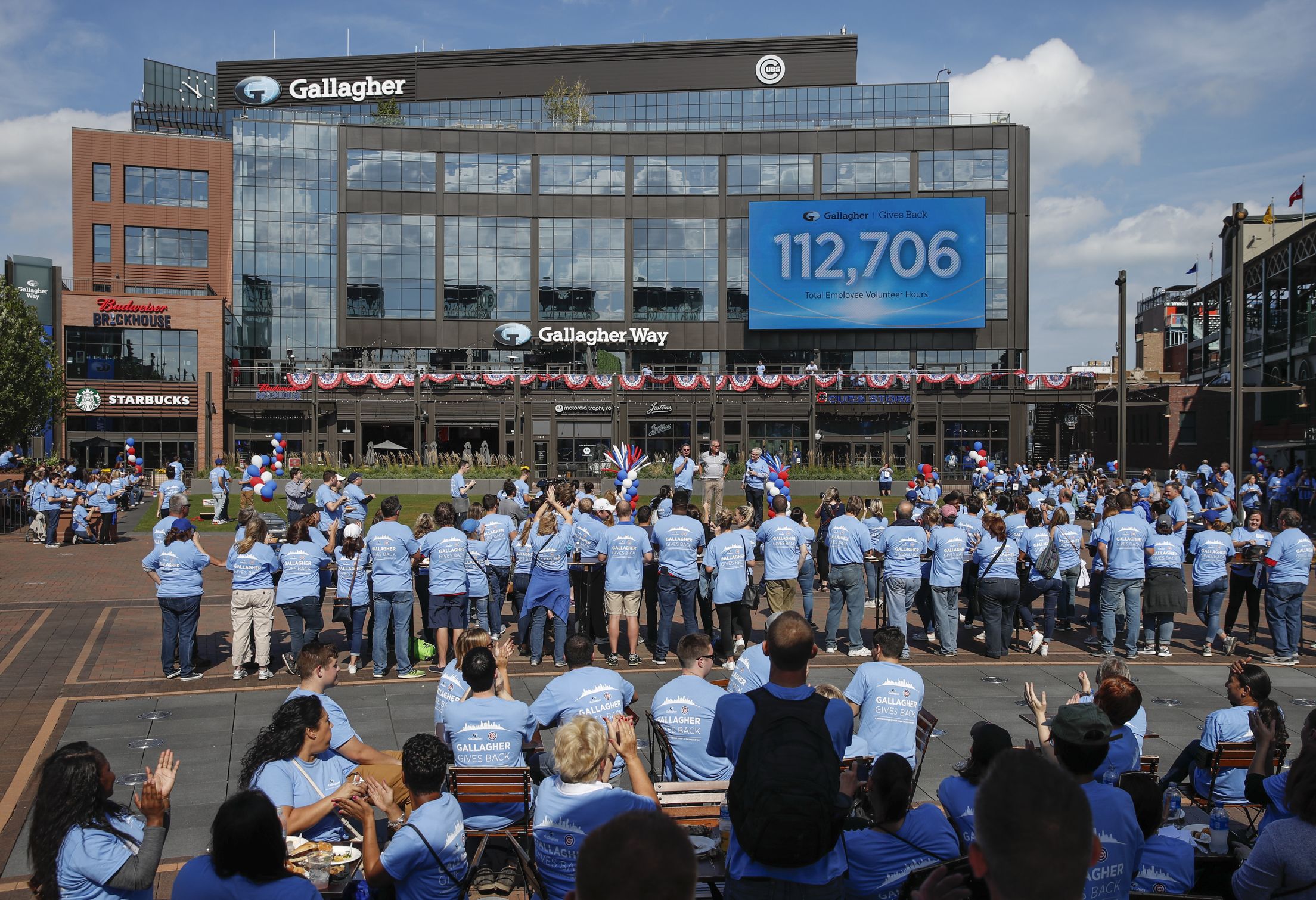
A Greek lunch in Greektown pairs naturally with an afternoon at Wrigley Field. Take the Blue Line from UIC-Halsted to the Loop, transfer to the Red Line northbound and exit at the Addison station. Browse Gallagher Way for events, grab gear at the Cubs Team Store or the Cubs online shop and check the Cubs schedule.
Frequently Asked Questions
Where is Greektown in Chicago?
On South Halsted Street between Van Buren and Jackson on the Near West Side, accessible from the UIC-Halsted Blue Line station.
What should I order on my first visit to Greektown?
Saganaki (flaming cheese), a gyro, a Greek salad and baklava for dessert cover the essentials.
Was saganaki invented in Chicago?
The tradition of flaming the cheese tableside is credited to the Parthenon restaurant in Greektown, dating to the 1960s.
Is Greektown good for families?
Yes. The restaurants are family-oriented with large portions, shared plates and a welcoming atmosphere for kids.
How do I pronounce "gyro"?
"YEE-roh." Not "JY-roh." Ordering it correctly earns you a nod from the server.
Is Greektown open late?
Yes. Several restaurants stay open until midnight or later on weekends, making it a strong option for post-theater or late-night dining.