

Chicago Summer Weekend Weather: What to Expect and Plan
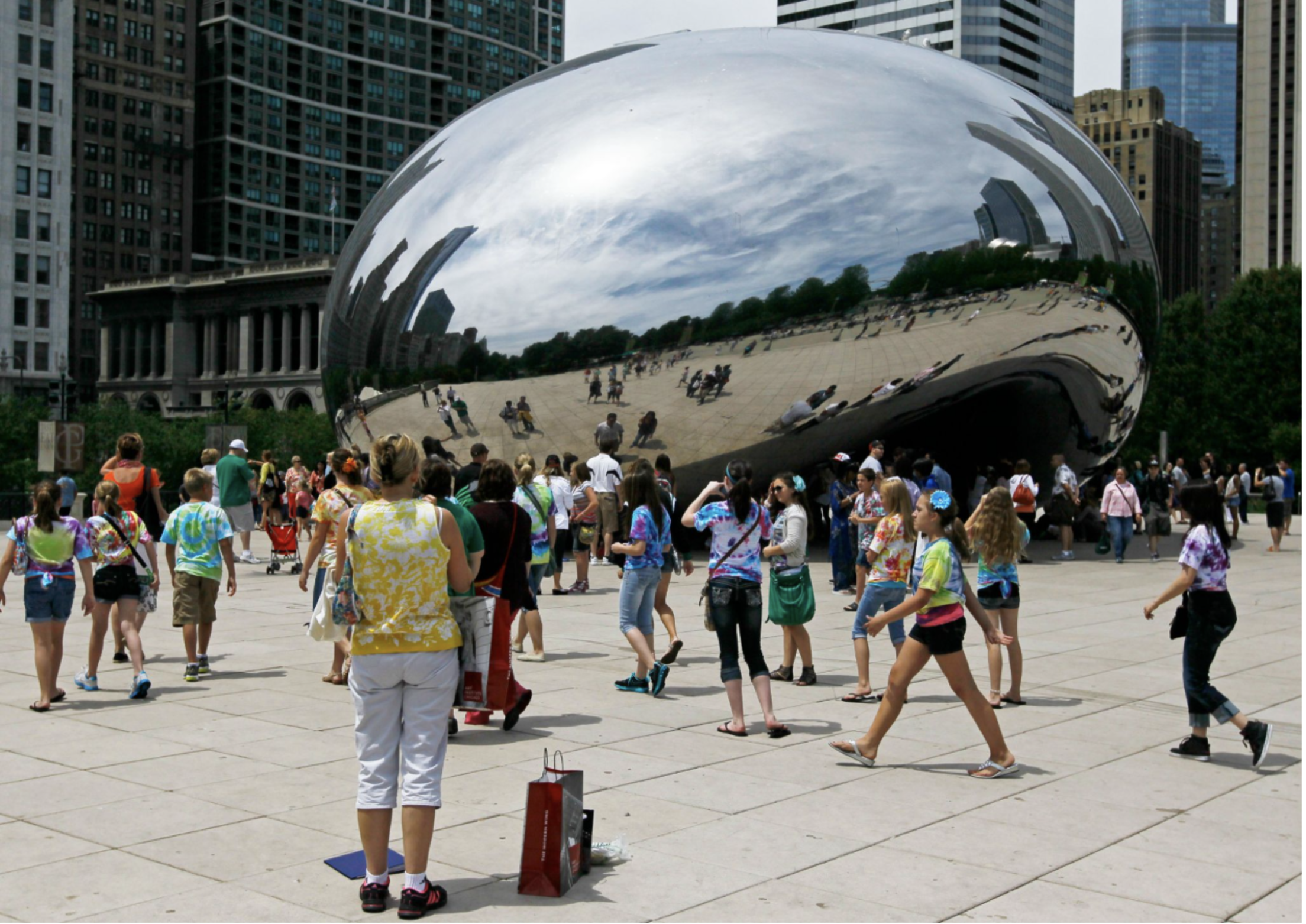
So you've booked a summer weekend in Chicago. Smart move. But before you start mapping out deep-dish pizza stops and Cubs games, you need to know what the weather has in store.
Chicago summers are warm, humid, and occasionally unpredictable, with lake breezes that can cool you down and afternoon storms that pop up out of nowhere. Here's what to expect and how to plan so the weather never ruins your weekend.
Temperature and Humidity from June Through September
Chicago summers run hot. Understanding the patterns helps you plan the right activities at the right times.
Average Highs and What They Feel Like
From mid-June through mid-September, daytime highs typically land in the high 70s to high 80s (°F), with heatwaves pushing past 90°F. Humidity is a major factor, making the air feel sticky and heavy, especially in July and August.
Mornings often start in the mid-60s to low 70s, which makes early outings comfortable before the heat builds. Evenings cool down slightly, but temperatures often stay in the upper 60s to low 70s well past sunset.
The Lake Effect Changes Everything
Lake Michigan sits right against Chicago's eastern edge, and the breeze off the water can drop temperatures by 10 degrees or more along the lakefront compared to neighborhoods just a few miles inland. On a day when Wrigleyville reads 88°F, North Avenue Beach might feel closer to 78°F.
The flip side: if the wind shifts and blows from the west, even the lakefront heats up fast. Checking the wind direction before heading out helps you pick the right spot for your afternoon.
Afternoon Storms Roll In Fast
Quick-moving summer thunderstorms are common, particularly in June and July. A sunny morning can turn into a downpour by 2 p.m., then clear up completely by 4 p.m. The storms are usually intense but short-lived.
Lightning is the main concern, so having a plan to duck inside a restaurant, museum, or shop keeps your day on track. Weather apps with radar are your best friend during a Chicago summer weekend.
What to Pack for a Summer Weekend
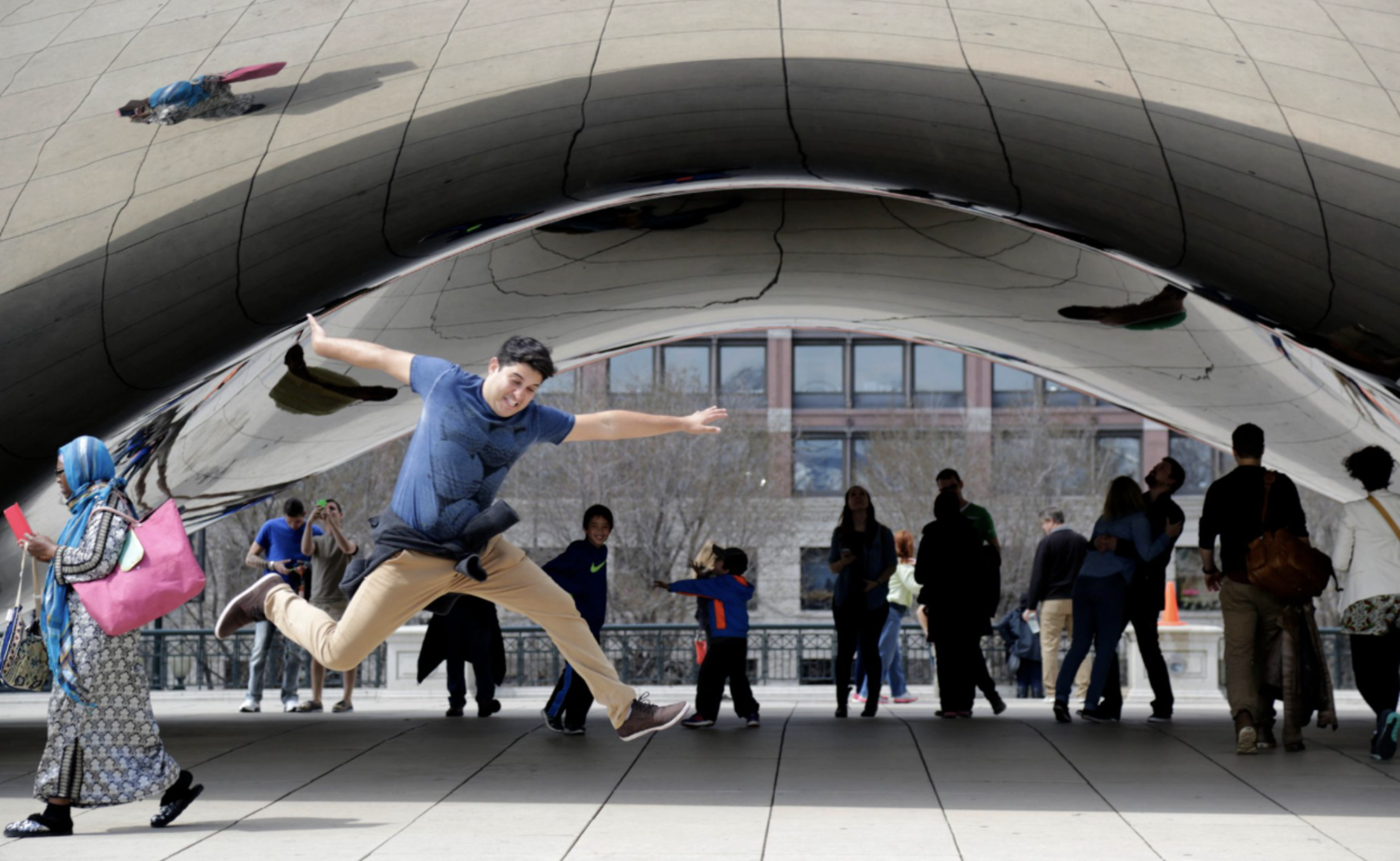
Packing right means staying comfortable whether you're walking the Riverwalk at noon or catching a night game at Wrigley Field.
Clothing That Works All Day
Breathable fabrics are essential. Cotton T-shirts, shorts, and sundresses handle the humidity without trapping heat. A light jacket or sweater is worth tossing in your bag for:
- Evening lake breezes, especially on rooftop bars or patios near the water
- Air-conditioned museums and restaurants that crank the AC
- Unexpected temperature drops after a storm passes through
Comfortable walking shoes matter more than anything else. Chicago is a walking city, and a summer weekend can easily put 15,000 to 20,000 steps on your feet between the ballpark, the Riverwalk, and neighborhood exploring.
Sun Protection and Hydration
Sunscreen, sunglasses, and a hat are non-negotiable. Even overcast days in Chicago deliver enough UV to leave you red by the evening. A refillable water bottle keeps you hydrated all day. At Wrigley Field, factory-sealed plastic bottles can be brought through the gates, so grab one before you head inside - and water fountains are available throughout the ballpark if you need a top-up.
Planning Your Weekend Around the Weather
A little flexibility in your schedule makes all the difference when summer weather shifts.
Morning Is Prime Time for Outdoor Activities
The coolest, most comfortable hours of a Chicago summer day are between 8 and 11 a.m. Beaches, parks, the Nature Boardwalk at Lincoln Park, and the Chicago Riverwalk are all best enjoyed before the midday heat kicks in.
A morning Wrigley Field Tour is a great option too, since much of the 75 to 90-minute guided experience is outdoors and the earlier time slots tend to be cooler.
Midday Heat Calls for Indoor Options
When temperatures peak between noon and 3 p.m., lean into Chicago's incredible indoor attractions:
- The Art Institute of Chicago
- Shedd Aquarium and the Field Museum at Museum Campus
- Shopping along the Magnificent Mile or in Wrigleyville
- A cold beer at any of the bars surrounding Wrigley Field
Evening Is for Rooftops, Patios, and Ballgames
Summer evenings in Chicago are some of the best in the country. Temperatures settle into a comfortable range, rooftop bars light up across the skyline, and the energy picks up everywhere from the Riverwalk to Gallagher Way. A Cubs night game on a warm summer evening, with the Wrigley Field lights on and the crowd buzzing, is one of those experiences you don't forget.
Gameday Weather at Wrigley Field
If your weekend includes a trip to the Friendly Confines, weather awareness matters even more. Wrigley Field is an open-air ballpark with no retractable roof, so you're fully exposed to whatever the sky delivers.
Wind Direction Changes the Game
Cubs fans and players alike know that wind direction at Wrigley Field affects everything. Wind blowing out from the south can turn routine fly balls into home runs. Wind blowing in off the lake knocks down potential homers. Many fans check the nearest flag before heading to the ballpark on gamedays for a hint at what the game might look like.
Rain Delays and Cancellations
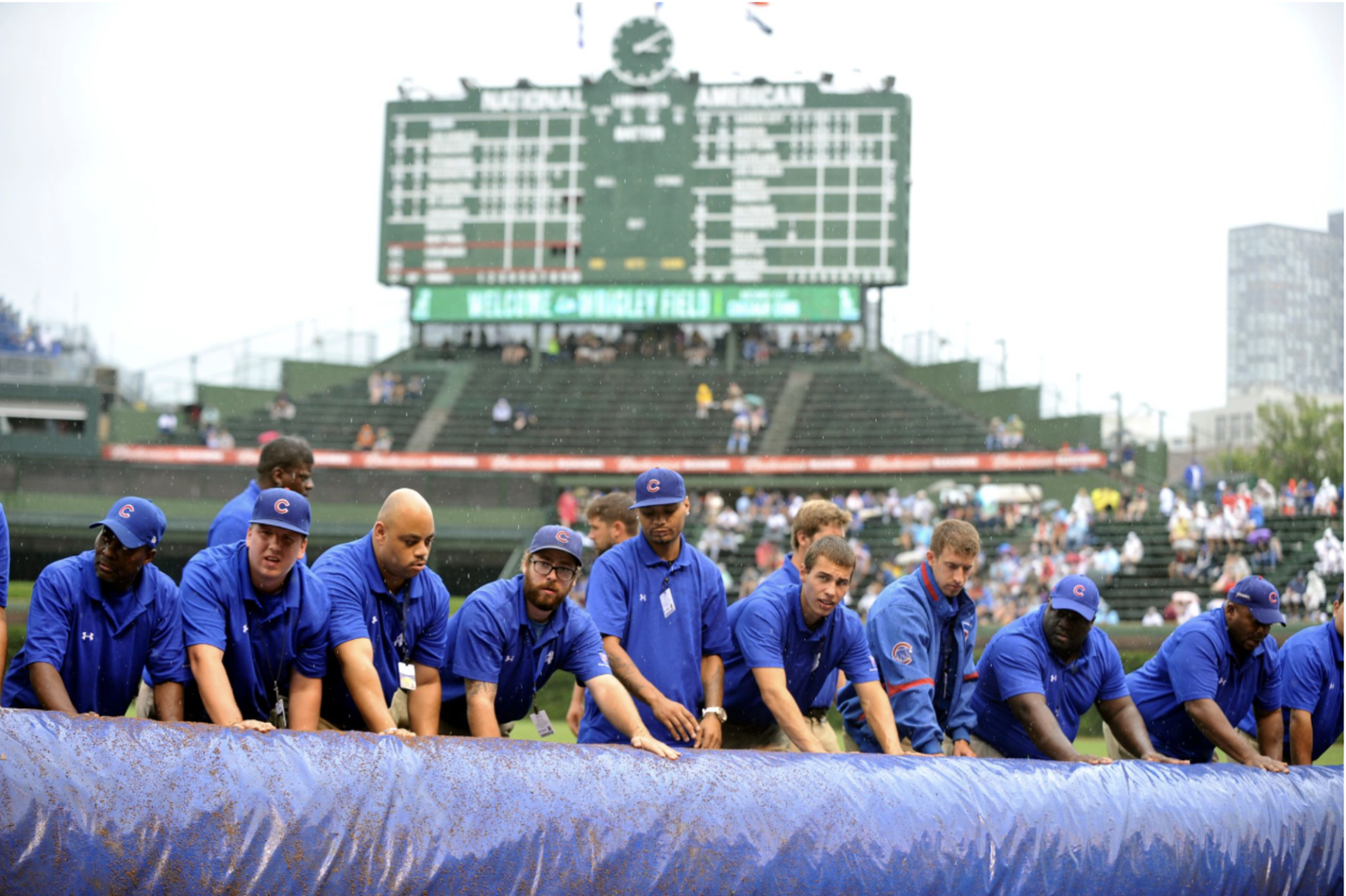
If a storm rolls through during a game, the grounds crew covers the field and fans typically wait it out in the concourses, the Budweiser Bleachers concourse, or at Gallagher Way. Most summer storms pass quickly, and games resume within 30 to 60 minutes. For the latest weather updates on gamedays, check the Cubs' Weather Updates page or the MLB Ballpark app.
Don't Let Weather Stop Your Chicago Weekend
Chicago summer weather is warm, lively, and occasionally dramatic, but that's part of the charm. Pack light layers, bring sunscreen, stay hydrated, and build flexibility into your plans. Whether you're catching a game at Wrigley Field, kayaking the river, or cooling off with a rooftop cocktail, every summer weekend in Chicago delivers. Check the Cubs schedule and plan your visit around the best weather the city has to offer.
Frequently Asked Questions
What is the average summer temperature in Chicago?
Daytime highs typically range from the upper 70s to high 80s (°F) from June through September, with humidity making it feel warmer. Heatwaves can push past 90°F.
Does it rain a lot in Chicago in the summer?
Quick, intense afternoon thunderstorms are common, especially in June and July. Most pass within an hour, and mornings and evenings are often clear.
What should I wear to a Cubs game in summer?
Breathable clothing, comfortable shoes, sunglasses, and a hat. Bring a light layer for evening games when the lake breeze picks up. Sunscreen is essential for day games.
Is it cooler near Lake Michigan in Chicago?
Yes. The lake breeze can drop temperatures by 10 degrees or more along the lakefront compared to inland neighborhoods, especially on days with east or northeast winds.
Can you bring water into Wrigley Field?
Yes. Factory-sealed plastic bottles are allowed through the gates. Glass, cans, and hard-sided coolers are not permitted.
What happens if it rains during a Cubs game?
The grounds crew covers the field and play pauses during rain delays. Most summer storms pass quickly, and games typically resume. Check the Cubs' Weather Updates page for real-time information.