

Wrigley Field Renovations: 1914 to Today
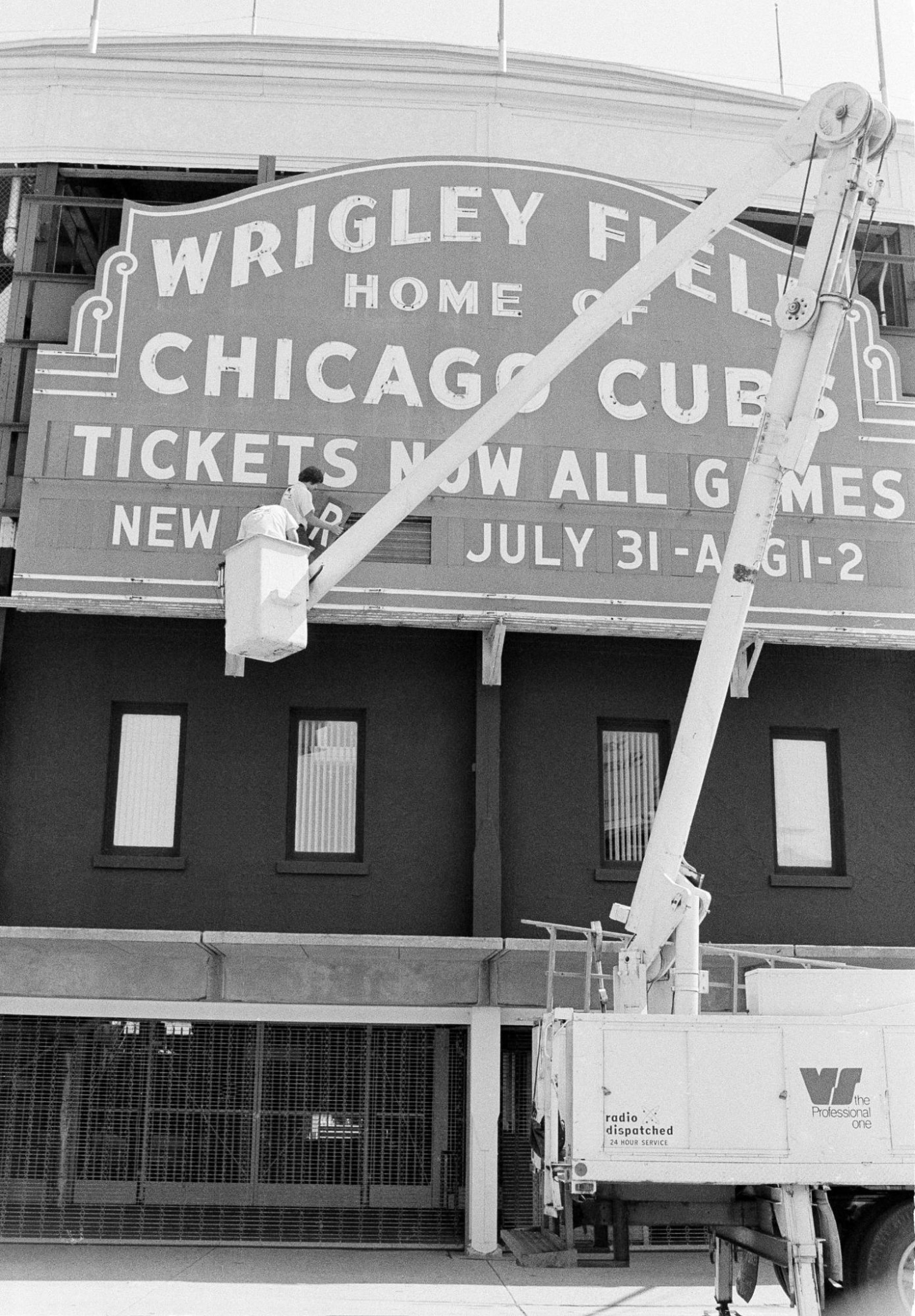
Look, you can't talk about baseball in Chicago without talking about Wrigley Field. Built in 1914, the Friendly Confines has seen more changes than your average Chicagoan's winter coat collection. But through every renovation, the ballpark never lost what made people fall in love with it in the first place.
We're taking you through 110 years of transformation, from a modest Federal League park to baseball's crown jewel.
The Beginning: 1914-1926
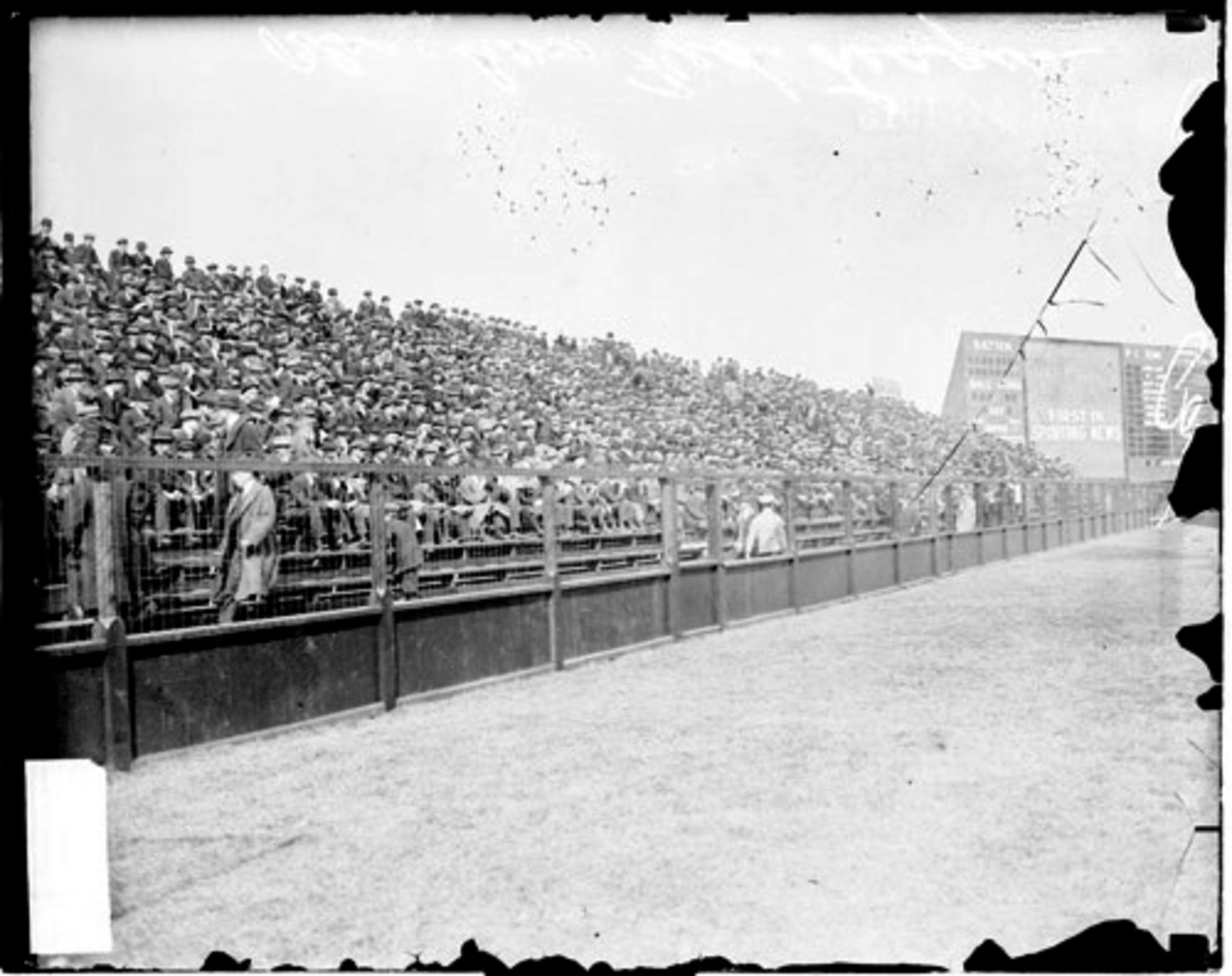
Charles H. Weeghman built Weeghman Park in 1914 for Chicago's Federal League team, the Whales. The $250,000 ballpark held 14,000 fans. On April 23, 1914, the Federals beat Kansas City 9-1 in the first game.
When the Federal League folded after 1915, Weeghman bought the Cubs and moved them there. The first National League game happened April 20, 1916, with the Cubs beating Cincinnati 7-6 in 11 innings.
The Wrigley family purchased the team in 1920, renaming it Cubs Park. In 1926, the ballpark officially became Wrigley Field.
The Roaring Twenties: Major Expansion
Workers literally sliced the stadium into three sections and pulled them apart in 1922-1923. The right field section stayed put, but home plate and left field got dragged back toward Clark Street. Workers filled the gaps with new seats.
The original home plate is now near the current pitcher's mound. That's why Wrigley Field has that distinctive shape.
The upper deck arrived in the late 1920s. The left field upper deck was built a full year before the right field side, so the 1927 season featured a lopsided stadium.
The Iconic 1930s: Ivy and Scoreboards
September 1937 changed Wrigley forever. Bill Veeck convinced everyone to plant ivy on the outfield walls, stringing bittersweet from top to bottom.
The bleachers and iconic centerfield scoreboard went up the same year. That scoreboard? Still standing, still operated by hand.
The tradition of flying a "W" or "L" flag after games started here. White flag with blue "W" for wins, blue flag with white "L" for losses.
Mid-Century to Modern Era
Wrigley stayed quiet through the mid-century. Between 1968-1971, crews replaced all the concrete in the lower and upper decks.
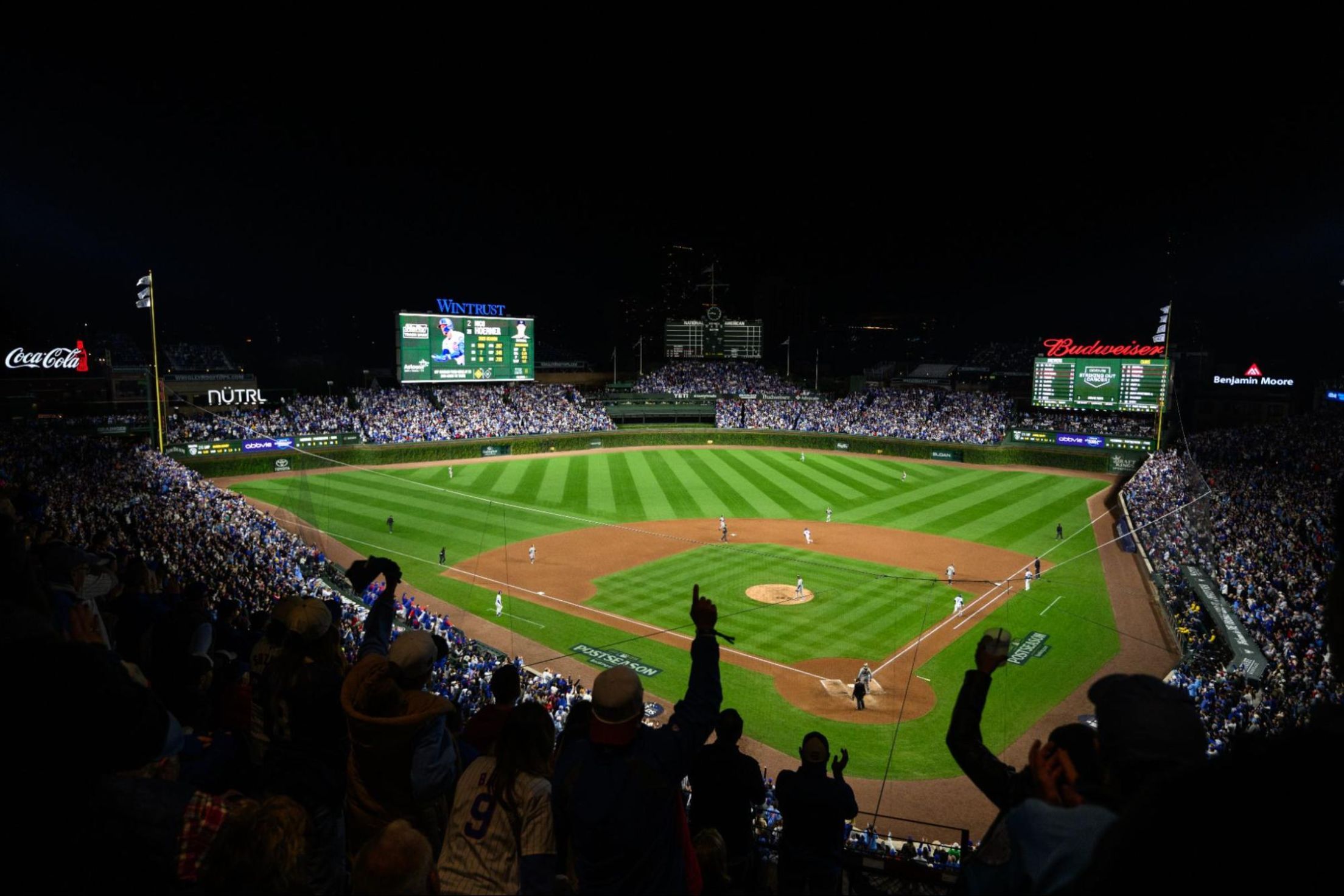
The biggest change came in 1988 when lights were finally installed. For 74 years, Wrigley hosted only day games. The first official night game happened August 9 against the Mets, a 6-4 Cubs win.
The 1980s and 1990s brought new office space, clubhouses, private boxes and a press box. An elevator arrived in 1996. In 2005-2006, the bleachers expanded with a restaurant in the batter's eye. The original 1914 outer walls came down.
The 1060 Project: 2014-2019
When the Ricketts family purchased the Cubs in 2009, Wrigley needed serious work. The 1060 Project, named after Wrigley Field's Addison Street address, launched after the 2014 season with a $575 million budget over five phases.
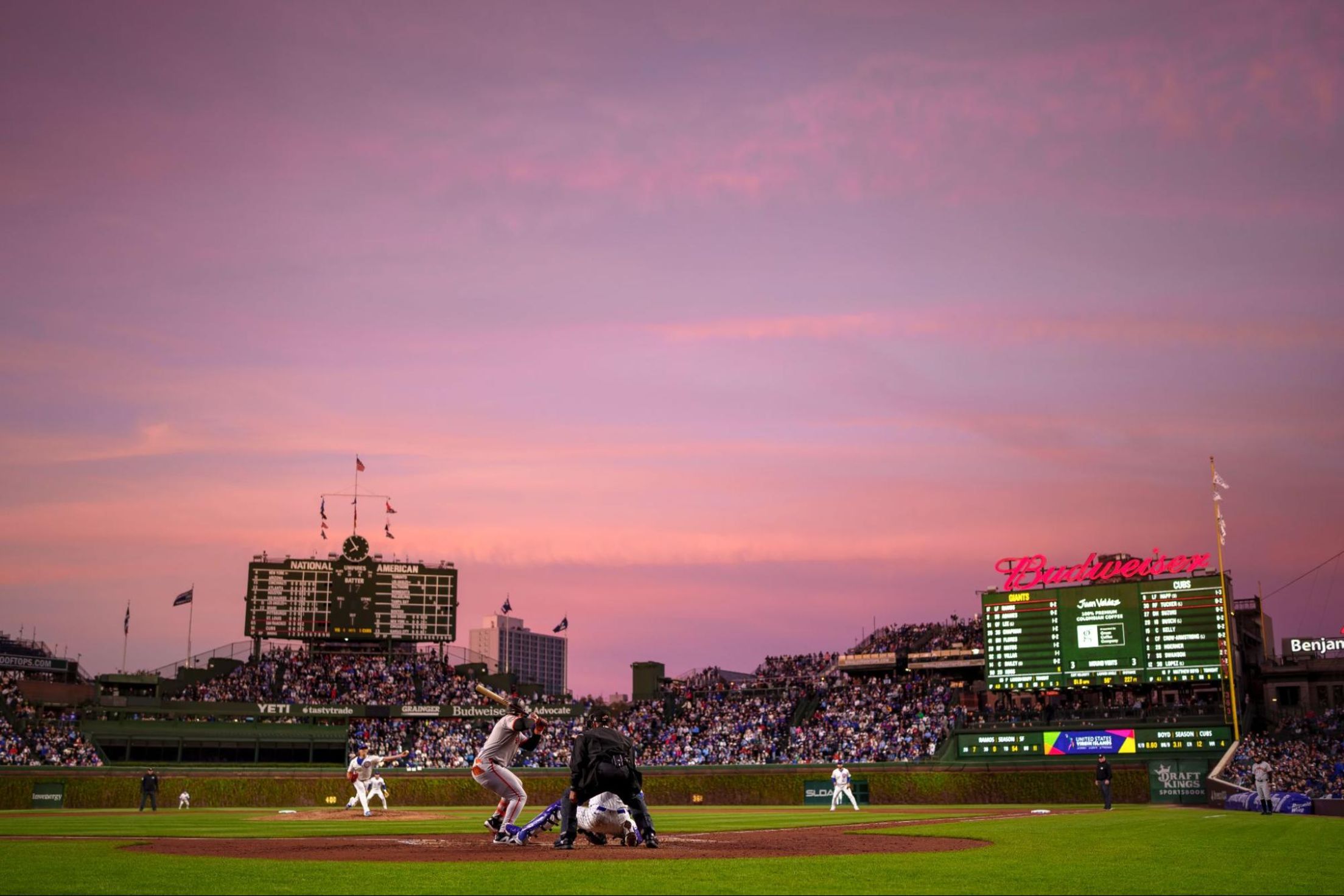
Both bleacher sections expanded onto Waveland and Sheffield avenues. Video boards went up in left and right field. Underground excavation along Clark Street created space for new locker rooms and a 30,000-square-foot clubhouse complex.
Premium clubs appeared behind home plate and near third base. The famous marquee came down for refurbishment in November 2015, returning in April 2016. Both bullpens relocated underneath the bleacher seats. The Hotel Zachary opened across the street.
The 600-seat American Airlines 1914 Club opened behind home plate. The Catalina Club opened with a 400-person capacity. The final phase renumbered every seat to match MLB standards and updated upper-level seating.
What's Left From 1914?
Not much of the original 1914 structure remains visible. The steel frame around the ballpark and roof support system, that's your 1914 skeleton. The visitors' clubhouse is the only original interior room.
Most of the stadium isn't even in the same spot. When workers sliced it into three pieces in 1922-1923, the original diamond relocated. The 1968-1971 concrete replacement removed the last of the 1914 seating area.
But Wrigley Field kept its soul. The ivy still climbs the walls. The scoreboard still operates by hand. The "W" flag still flies after wins. Walking through those gates in 2025 feels the same as it did decades ago.
Wrigley Field could have been demolished and replaced. Instead, the Ricketts family invested hundreds of millions to preserve the Friendly Confines while making it functional for modern baseball. You can add videoboards and premium clubs without losing the charm.
Next time you're walking up Clark Street toward the ballpark, remember: you're looking at 110 years of Chicago baseball history. The building has changed and transformed, but when you step inside, you're still in the same ballpark where Babe Ruth called his shot, where Kerry Wood struck out 20, where the Cubs won it all in 2016.
Want to see the transformation up close? Book a Wrigley Field Tour and walk through 110 years of baseball history. Or grab Cubs tickets and experience the magic yourself. Either way, you'll understand why after all these years and all these changes, there's still no place like the Friendly Confines.
Frequently Asked Questions
When was Wrigley Field built?
Wrigley Field was built in 1914 as Weeghman Park for the Federal League's Chicago Whales. The Cubs moved there in 1916 after purchasing the team. The ballpark became Wrigley Field in 1926, named for owner William Wrigley Jr.
Is Wrigley Field the oldest ballpark in baseball?
Wrigley Field is the second-oldest ballpark in Major League Baseball. Only Fenway Park in Boston (1912) is older. Wrigley Field earned National Historic Landmark status in 2020.
How much of the original 1914 Wrigley Field still exists?
Very little of the original 1914 structure remains visible. The steel frame, roof support system and visitors' clubhouse are the main survivors. The stadium was literally moved and expanded in 1922-1923, and concrete was replaced in 1968-1971. Most visible elements date from the 1937 renovation or later.
What was the 1060 Project?
The 1060 Project was a $575 million, five-year renovation completed between 2014 and 2019. Named after Wrigley Field's address at 1060 West Addison, the project added new videoboards, premium clubs, expanded seating, improved facilities and structural upgrades while preserving the ballpark's historic character.
Can you tour Wrigley Field?
Yes, Wrigley Field Tours are available year-round on both game days and non-game days. Tours last 75-90 minutes and include the seating bowl, bleachers, press box, dugout and field. Tickets cost $30 for adults. Private tours and educational group rates are available.
When did Wrigley Field get lights?
Lights were installed at Wrigley Field in 1988, making the Cubs the last team to add night baseball. The first official night game was August 9, 1988, when the Cubs defeated the Mets 6-4. Before that, Wrigley hosted only day games for 74 years.
##