

Wrigley Field Weather Guide: What to Expect Month by Month
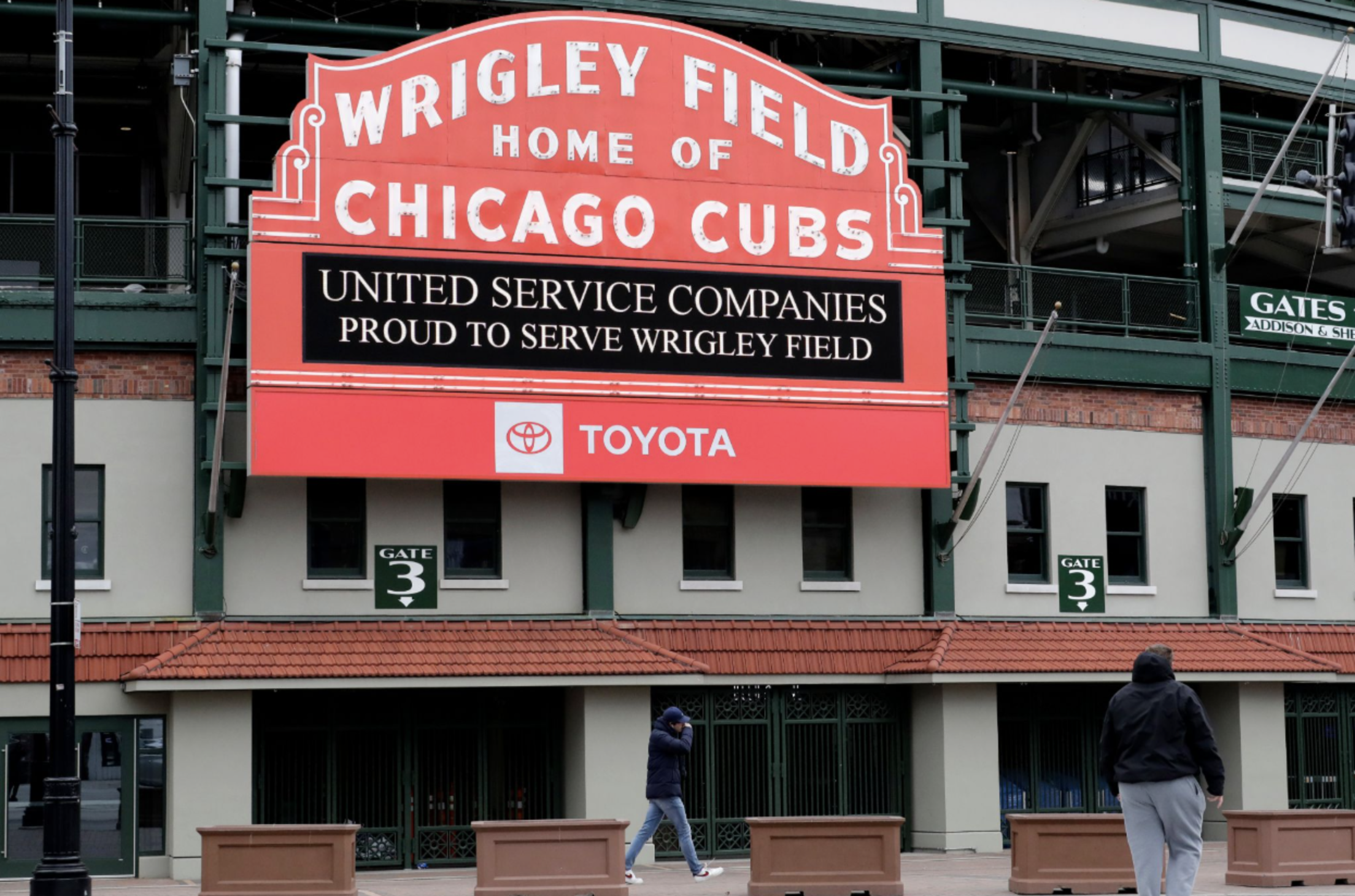
Chicago weather is famously unpredictable, and that goes double at Wrigley Field. Sitting in the Lakeview neighborhood on the North Side, the Friendly Confines catches Lake Michigan breezes, swirling winds, and temperature swings that can change a sunny afternoon into a chilly evening fast. This is a ballpark that played host to Opening Day games in the 30s and July day games pushing 90 with humidity that makes the air feel like soup.
If you're heading to a Cubs game or a Wrigley Field tour, knowing what to pack for each month is half the battle. The other half is understanding that Wrigley Field is an open-air ballpark with very limited covered seating. Whatever the sky decides to do, you're going to feel it.
Early Season at Wrigley Field
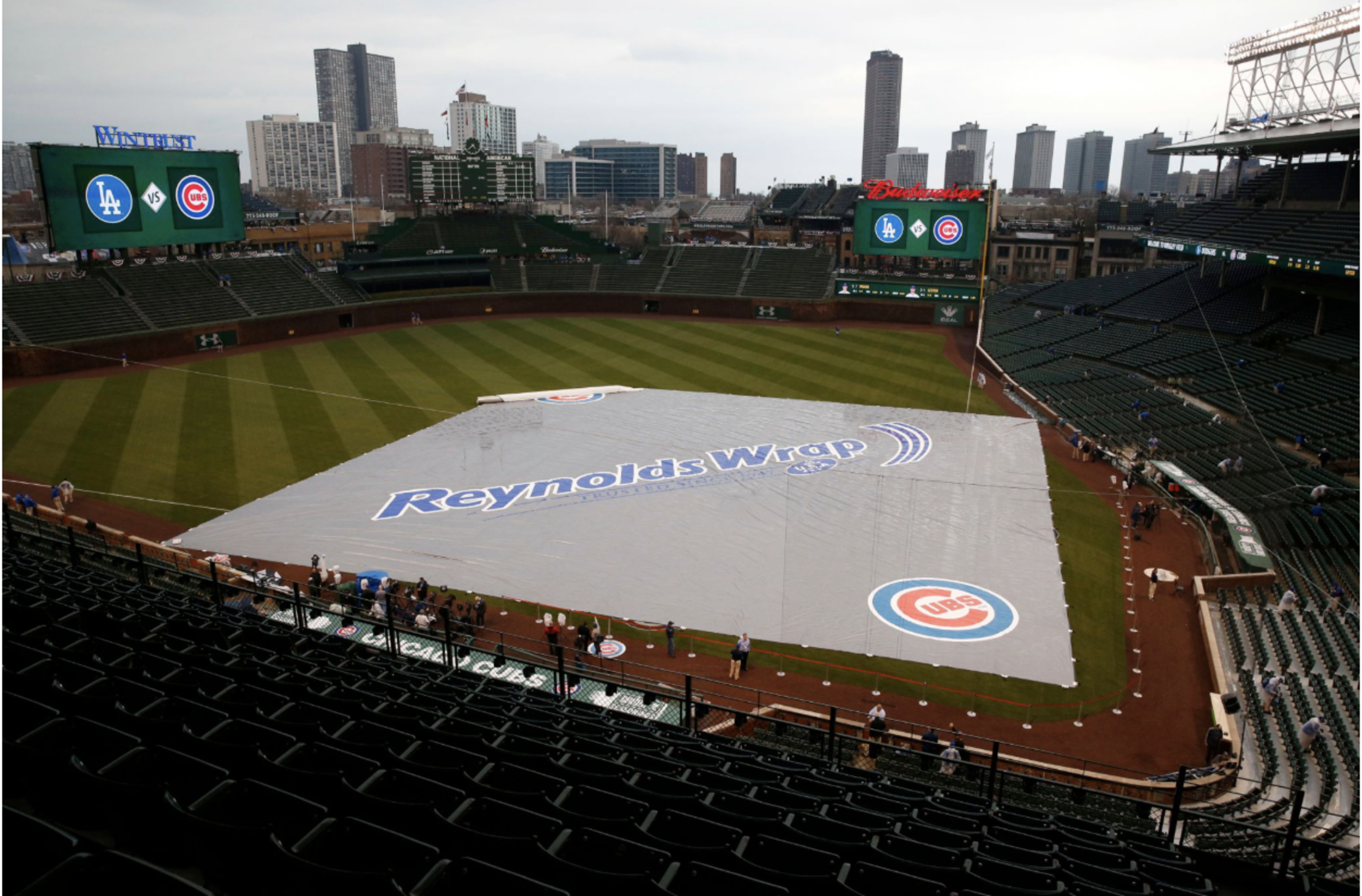
The first two months of the home schedule can feel more like winter than spring. Do not let the calendar fool you. April baseball at Wrigley Field is a completely different animal than July baseball, and your wardrobe should reflect that reality. But for fans who embrace it, cold-weather games have a charm of their own, crisp air, engaged crowds, and a uniquely Chicago kind of baseball experience.
March and April
Opening Day at Wrigley Field has historically seen temperatures anywhere from the low 30s to the mid-50s. Average highs in late March sit around 48°F, which sounds manageable until you factor in the wind. Gusts off Lake Michigan can make 50°F feel like 35°F in open seating areas like the Budweiser Bleachers, and that's not an exaggeration. Chicago wind doesn't care about your calendar-based optimism.
What to wear for early-season games: a heavy winter coat or insulated jacket, gloves, scarf, and a warm hat. Layers are essential because the sun can warm things up mid-game before temperatures drop again in the later innings. Closed-toe shoes are a must. Sandals in April at Wrigley Field are a decision you'll regret by the third inning.
The upside is that dressing right lets you settle in and enjoy one of the more distinctive experiences on the Cubs calendar. Early-season games have a crisp, energetic feel that is uniquely Chicago, and fans who come prepared tend to enjoy them far more.
The Budweiser Bleachers and upper deck outfield seats are the most exposed sections in the entire ballpark during early-season games, but they also give you some of the most open-air, full-stadium atmosphere Wrigley has to offer. Seats behind home plate tend to be slightly more sheltered, but "slightly" is doing a lot of work in that sentence. You're still outside in Chicago in April.
May
Temperatures in May typically range from the mid-50s to low 70s, making it one of the more pleasant months for a ballpark visit. Bring a medium-weight jacket and plan for occasional rain showers. May is that sweet spot where the weather is warm enough to enjoy a day game without suffering, but cool enough that you're not baking in the sun for three hours.
May also tends to draw slightly smaller crowds than the peak summer months, which means better ticket availability and more breathing room at concession stands. If you're planning a Wrigley Field tour, May mornings offer some of the best conditions of the entire season. The light is soft, the temperatures are comfortable, and the groups are smaller.
Peak Summer at the Ballpark
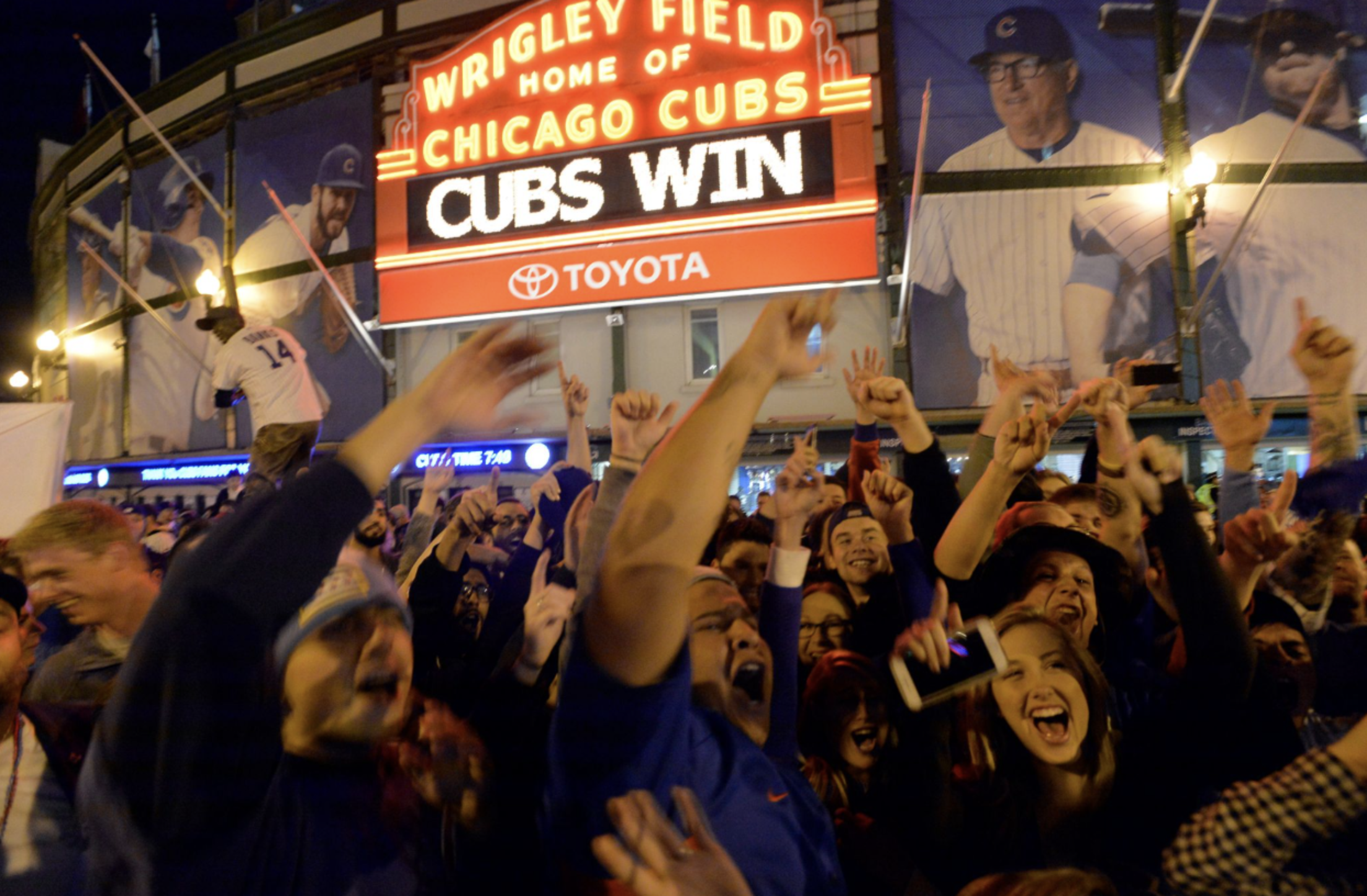
Summer is when Wrigley Field really comes alive. Day games under the sun with a packed house are the classic Chicago baseball experience that people fly in from across the country to witness. There's a reason Wrigley Field has been hosting more day games than any other ballpark in baseball for over a century.
June Through August
Average highs in June hit the upper 70s. July pushes into the mid-80s. August stays close behind. Those numbers sound reasonable on paper, but humidity in July and August can make it feel significantly hotter, especially during the famous 1:20 p.m. day games when the sun is directly overhead and there's nowhere to hide.
Wrigley Field has minimal shade in most seating sections. The upper deck provides some relief, and the seats under the overhang behind home plate catch occasional shade, but most of the ballpark is fully exposed. Lightweight, breathable clothing is essential. Sunscreen at SPF 30 or higher is non-negotiable. A hat and sunglasses will save your afternoon. Water fountains are located throughout the park, and staying hydrated is genuinely important when you're sitting in direct sunlight for a three-hour game.
The 1:20 p.m. start time is iconic, but those afternoon starts in July and August are the hottest games of the season. Night games at 7:05 p.m. offer cooler temperatures and a completely different vibe, with the lights illuminating the field and the Wrigleyville neighborhood buzzing around the ballpark. If heat sensitivity is a factor, night games during peak summer are a smarter choice.
Summer Storms Roll In Fast
Chicago summer storms develop quickly. A clear sky at noon can turn into a downpour by the second inning. Games may experience rain delays rather than immediate cancellations, which means you could be sitting through 30 to 60 minutes of waiting before play resumes.
A small, collapsible umbrella under 10 inches folded is permitted inside the ballpark and could save you from a soaking. Metal-tipped and oversized umbrellas are not allowed through security. Ponchos also work and pack down small enough to fit in a pocket. Check the Chicago weather forecast the morning of your game, but understand that summer storms don't always show up on radar until they're already on top of you.
Late Season and Fall
As the season winds down, the ballpark cools off again, but September can still surprise with warm, beautiful days that rival anything summer threw at you.
September
Early September averages are still in the mid-70s, making it genuinely one of the best months to visit Wrigley Field. The weather is warm, the light is gorgeous, and the crowds may be slightly thinner after school starts. If you're looking for the ideal combination of pleasant weather, good availability, and an energized fan base chasing a playoff spot, September is your month.
Evenings dip into the 50s, so pack a light jacket for night games. The temperature drop between a September afternoon and a September night can be 20 degrees or more, and getting caught in the upper deck in a T-shirt at 9 p.m. is an uncomfortable way to watch the ninth inning.
October
Playoff weather at Wrigley Field means temperatures in the 50s to low 60s during the day and 40s at night. October winds at the ballpark add a chill factor that makes warm layers essential. A medium-weight jacket or fleece, long pants, and a blanket for evening games are the right call.
There's something special about postseason baseball at Wrigley Field when the air is crisp, and 40,000 fans are bundled up and screaming. The electricity of October baseball in the Friendly Confines is worth every degree of cold. Just dress for it.
Wind at Wrigley Field Deserves Its Own Section
Wind is the single biggest weather variable at this ballpark. On any given day, the wind could be blowing out toward the Budweiser Bleachers, blowing in from the north off Lake Michigan, or swirling unpredictably in every direction. Wrigley Field is one of the windiest ballparks in all of Major League Baseball, and it affects everything from how the game plays to how cold you feel in your seat.
How Wind Changes Everything
Wind blowing in from the north or northeast off Lake Michigan drops the "feels like" temperature considerably. A 60°F day with a stiff north wind can feel like the mid-40s in exposed sections. The Budweiser Bleachers and upper deck outfield seats take the brunt of it. Seats behind home plate are slightly more sheltered, but Wrigley Field doesn't really have a section that's fully protected from Chicago wind.
On the flip side, wind blowing out toward the outfield on a summer day turns Wrigley Field into a hitter's paradise and makes the temperature feel warmer. Cubs fans know to check the flags atop the scoreboard before the game. A "W" flag flying stiff toward Waveland Avenue means the ball is going to carry, and your outfield seats are going to be the place to be.
Always Check the Forecast
Check the Chicago weather forecast the morning of your game or tour. The Cubs website and the MLB Ballpark app are handy for game-day info, gate opening times, and any schedule changes due to weather.
Plan Ahead with the Chicago Cubs
The Cubs run ballpark tours and games from March through the end of the season, rain or shine. Tours happen regardless of weather, so dress for outdoor conditions. Night games and concerts at Wrigley Field have their own weather considerations, particularly the temperature drop after sunset that catches visitors off guard every summer. For tickets and scheduling, visit Cubs.com.
Frequently Asked Questions
What is the coldest month for a Cubs game at Wrigley Field?
April is typically the coldest game month, with temperatures sometimes in the 30s and strong Lake Michigan winds making it feel even colder. Opening Day games have historically been among the coldest of the season. Dress in full winter gear for early-season games.
Does Wrigley Field have a roof or covered seating?
No. Wrigley Field is an open-air ballpark with limited covered areas. The vast majority of seats are fully exposed to sun, wind, and rain. This has been the case since the ballpark opened in 1914 and is a core part of the Wrigley Field experience.
Are Wrigley Field tours canceled for bad weather?
No, tours happen rain or shine. Dress for outdoor conditions and bring an umbrella or poncho if rain is in the forecast. The tours include multiple outdoor stops, so you'll be exposed to whatever the weather is doing that day.
What is the best month to visit Wrigley Field for good weather?
June and September tend to offer the best combination of warm temperatures and manageable crowds. June brings pleasant warmth without peak humidity, and September delivers warm days, gorgeous light, and slightly thinner crowds.
Can I bring an umbrella into Wrigley Field?
Small, collapsible umbrellas under 10 inches when folded are permitted. Metal-tipped and oversized umbrellas are not allowed through security. Ponchos are a practical alternative.
How windy does it get at Wrigley Field?
Wrigley Field is one of the windiest ballparks in Major League Baseball. Lake Michigan gusts significantly impact how cold it feels, especially in the Budweiser Bleachers and upper deck. Wind direction also affects gameplay, with balls carrying further when the wind blows out toward the outfield.