


Best Chicago Museums: Complete Visitor's Guide
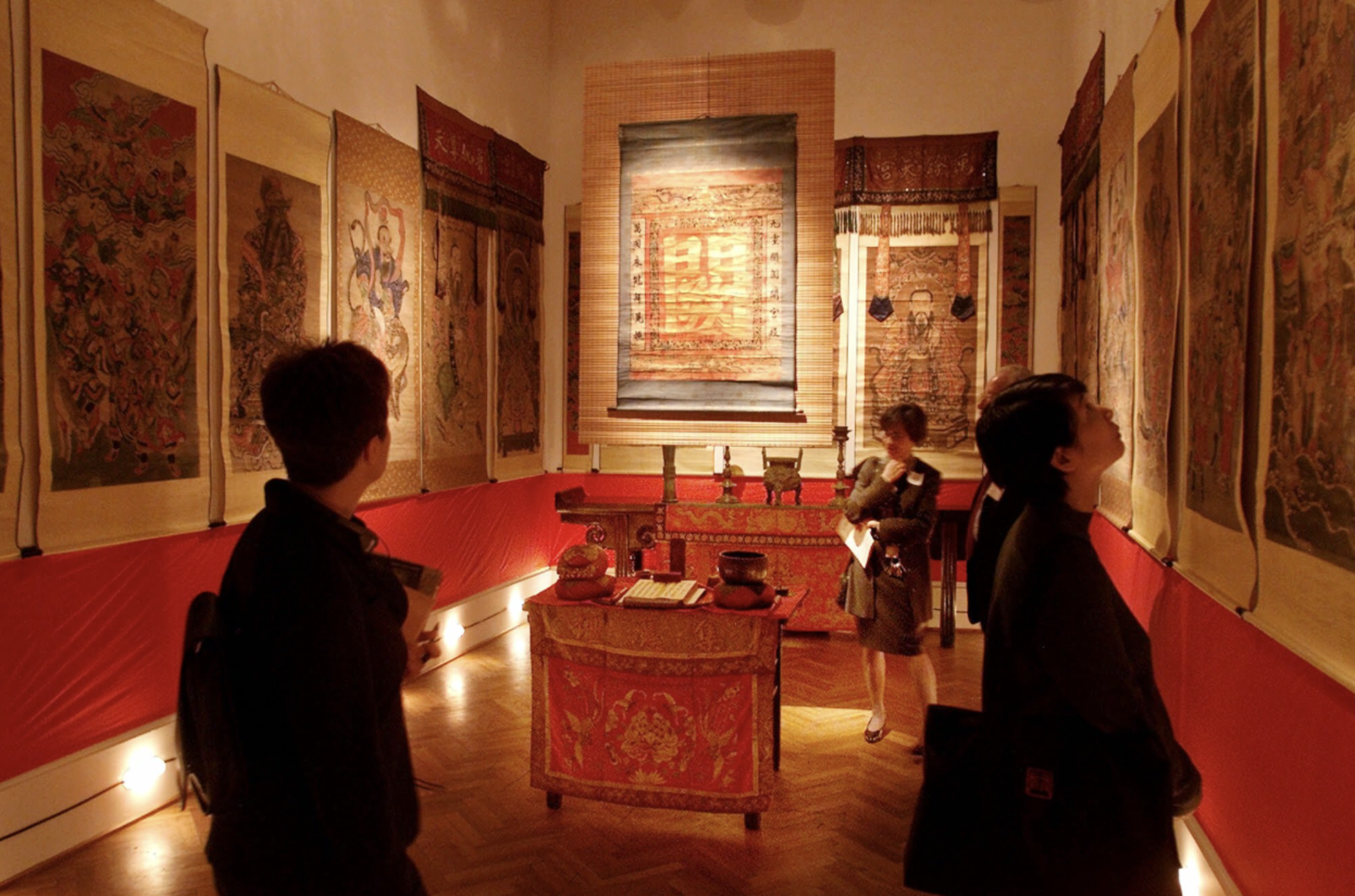
Chicago museums rank among the finest cultural institutions in the United States. The city houses more than 60 museums covering art, science, history, and specialized collections. Visitors planning Chicago activities can access world-class exhibits within a compact geographic area, particularly near Wrigley Field in the Lakeview neighborhood.
Chicago's museum district concentrates major attractions along Lake Michigan's Museum Campus while neighborhood institutions provide focused cultural experiences.
Chicago Museums Guide: Planning Your Visit
Chicago museums serve 20 million annual visitors. The Museum Campus includes three major institutions: Field Museum, Shedd Aquarium, and Adler Planetarium. Downtown museums like the Art Institute of Chicago anchor Grant Park.
Museum planning requires three decisions:
- Geographic clustering reduces travel time between institutions
- Admission bundling offers savings for multiple visits
- Time allocation varies from two hours for specialized museums to five hours for comprehensive collections
Public transportation via CTA buses and trains connects all major museums.
Art Museums Near Wrigley Field
Art Institute of Chicago
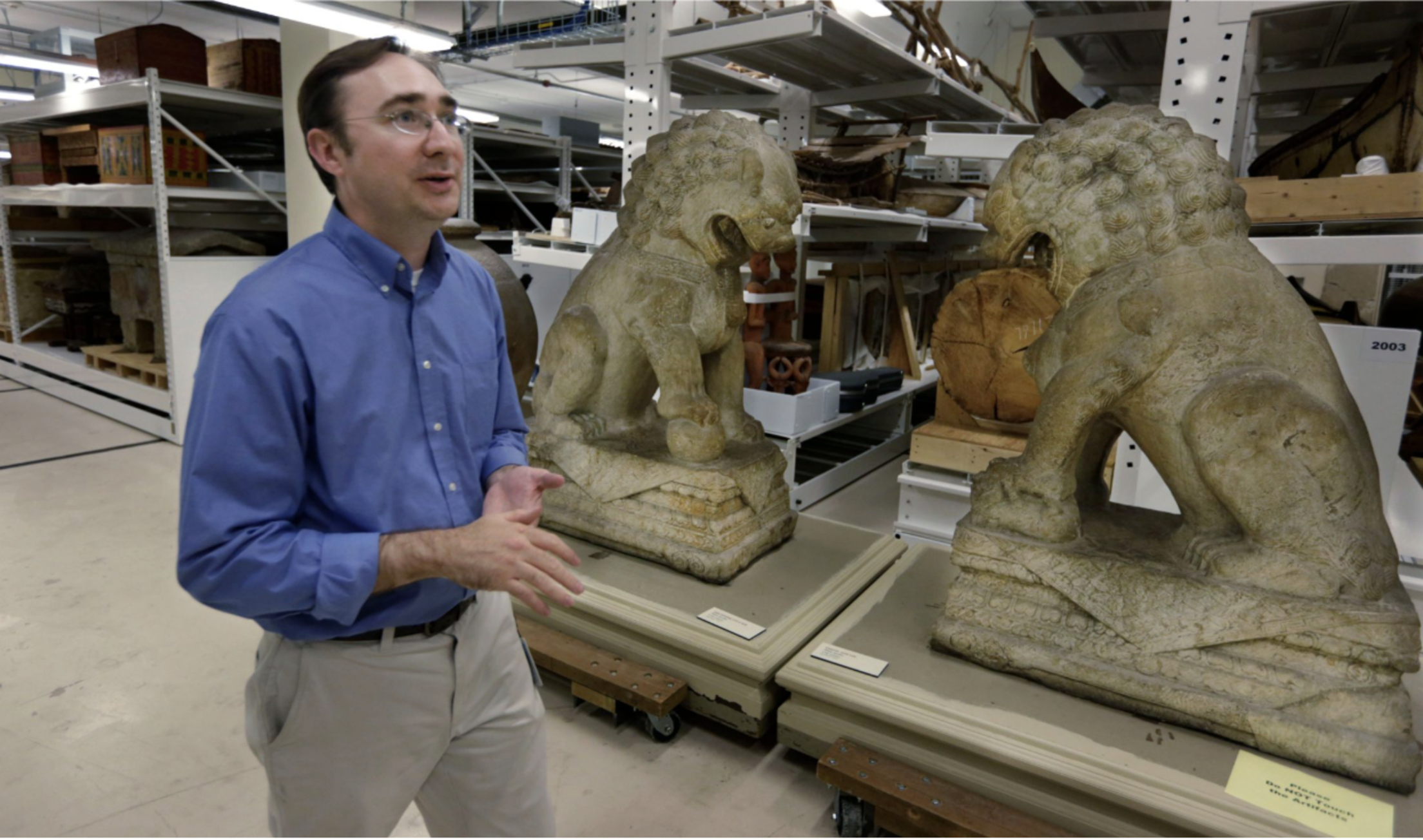
The Art Institute of Chicago houses 300,000 artworks spanning 5,000 years. Located in Grant Park at Michigan Avenue and Adams Street, the museum ranks among the world's premier art institutions. The collection emphasizes Impressionist and Post-Impressionist paintings including Georges Seurat's "A Sunday on La Grande Jatte" and Grant Wood's "American Gothic."
Museum specifications:
- Hours: 11 a.m. to 5 p.m. Thursday through Monday (closed Tuesday and Wednesday)
- Admission: $32 adults, $26 seniors, $26 students, free for children under 14
- Distance from Wrigley Field: 6.5 miles south via Red Line
The Modern Wing designed by Renzo Piano opened in 2009, adding 264,000 square feet of exhibition space. Galleries feature European painting, American art, Asian art, and contemporary works. The Thorne Miniature Rooms display 68 scale interiors representing historical periods.
Visiting strategy: Arrive at opening time for smaller crowds. The museum requires three to four hours minimum. Focus on two or three gallery sections per visit rather than attempting comprehensive coverage.
Natural History and Science Museums
Field Museum
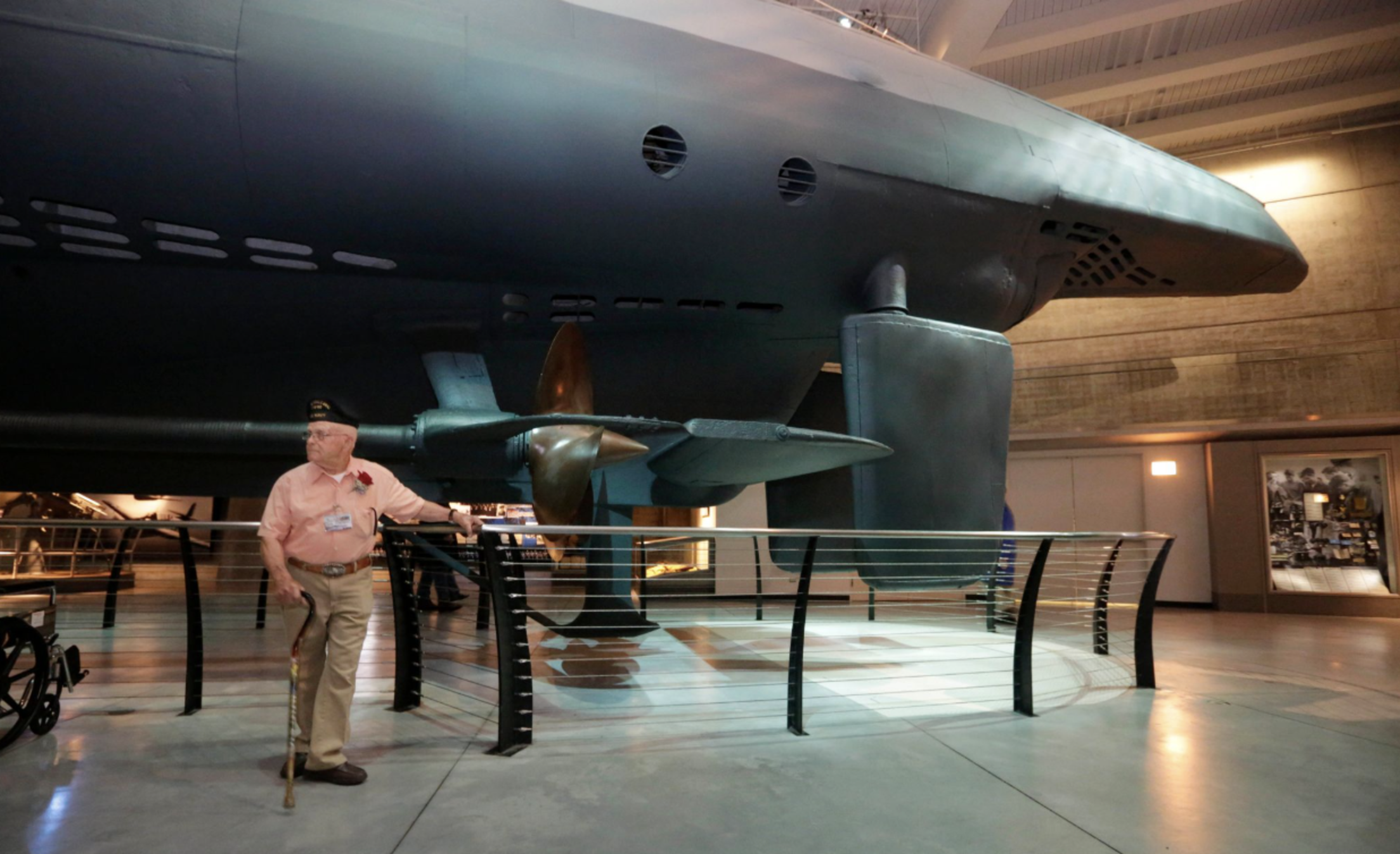
The Field Museum specializes in natural history with 40 million specimens. Stanley Field Hall features Maximo the titanosaur and SUE the T. rex. The museum opened in 1921 following the 1893 World's Columbian Exposition.
Key exhibits include:
- Evolving Planet (4 billion years of life)
- Ancient Egypt (mummies and artifacts)
- Grainger Hall of Gems
- Pacific cultures and African heritage collections
Museum details:
- Location: 1400 South Lake Shore Drive
- Hours: 9 a.m. to 5 p.m. daily
- Admission: $29 adults, $22 children ages 3-11
- Recommended time: four to five hours
The Field Museum conducts active research in paleontology, anthropology, and biodiversity. Scientists maintain collections used for academic study and public exhibitions.
Museum of Science and Industry
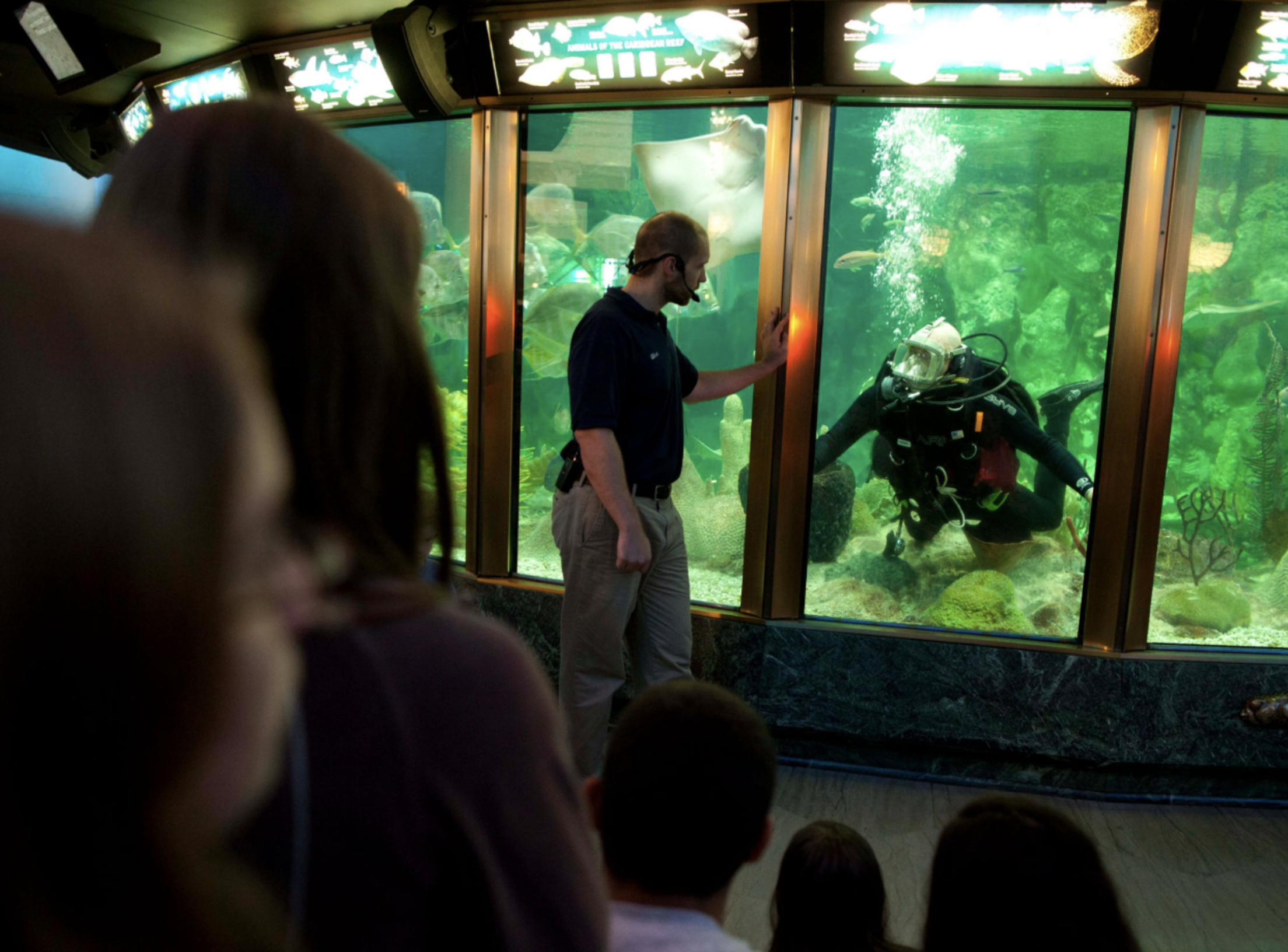
The Museum of Science and Industry occupies the former Palace of Fine Arts from the 1893 World's Columbian Exposition. The museum opened in 1933 as the first science museum in North America with interactive exhibits.
Major attractions:
- U-505 German submarine (captured WWII vessel)
- Coal Mine experience (replica mining operation)
- Science Storms (tornado and tsunami demonstrations)
- Pioneer Zephyr train
- Yesterday's Main Street (historical Chicago neighborhood)
Practical information:
- Location: 5700 South Lake Shore Drive in Jackson Park
- Hours: 9:30 a.m. to 4 p.m. daily
- Admission: $25.95 adults, $14.95 children ages 3-11
- Distance from Wrigley Field: 11 miles south
The museum requires advance reservations for U-505 submarine tours. Plan four to five hours for comprehensive exploration.
Shedd Aquarium
The Shedd Aquarium houses 32,000 aquatic animals representing 1,500 species. Opened in 1930, the facility was the world's largest indoor aquarium at completion.
Featured exhibits:
- Abbott Oceanarium (beluga whales and Pacific dolphins)
- Caribbean Reef (90,000-gallon habitat)
- Amazon Rising (river ecosystem)
- Waters of the World galleries
Visiting information:
- Location: 1200 South Lake Shore Drive
- Hours: 9 a.m. to 5 p.m. Monday through Friday, 9 a.m. to 6 p.m. weekends
- Admission: $39.95 adults, $29.95 children ages 3-11
- Recommended duration: three to four hours
Marine mammal presentations occur throughout the day. Arrive early for optimal viewing positions.
History and Cultural Museums in Chicago
Chicago History Museum
The Chicago History Museum documents city history from the 1780s settlement through present day. Located at 1601 North Clark Street in Lincoln Park, the museum sits two miles south of Wrigley Field.
Permanent exhibitions include:
- Chicago: Crossroads of America
- Great Chicago Fire of 1871
- Abraham Lincoln artifacts
- Historical Chicago 'L' train car
Museum specifications:
- Hours: 9:30 a.m. to 4:30 p.m. daily
- Admission: $19 adults, $17 seniors and students, free for children under 12
- Walking distance from Wrigley Field: 25 minutes or Red Line to Clark/Division
The museum emphasizes Chicago's role in American industrialization, architecture, and cultural movements. In summary, the Chicago History Museum provides essential context for understanding the city's development including the Lakeview neighborhood surrounding Wrigley Field.
DuSable Black History Museum and Education Center
The DuSable Black History Museum opened in 1961 as the first independent institution documenting African American history. The museum holds 15,000 objects including art, artifacts, and documents.
Collection highlights:
- Harold Washington mayoral papers
- African American art galleries
- Civil Rights Movement documentation
- African heritage exhibits
Essential details:
- Location: 740 East 56th Place in Washington Park
- Hours: 10 a.m. to 5 p.m. Tuesday through Saturday, noon to 5 p.m. Sunday
- Admission: $13 adults, $10 students and seniors, $7 children ages 6-11
The museum operates educational programs exploring African American contributions to American culture, politics, and society.
Specialized Chicago Museums
Chicago Architecture Center at 111 East Wacker Drive offers exhibitions on Chicago building design and urban planning. The center conducts architecture boat tours on the Chicago River. Admission costs $18 for adults.
The International Museum of Surgical Science at 1524 North Lake Shore Drive displays medical instruments and surgical history. The museum occupies a 1917 mansion in the Gold Coast neighborhood. Admission is $20 for adults.
American Writers Museum at 180 North Michigan Avenue celebrates American literary tradition through interactive exhibits. Located downtown, the museum charges $12 admission for adults.
Museum of Contemporary Art Chicago features post-1945 art at 220 East Chicago Avenue. The museum emphasizes cutting-edge contemporary works. Admission is $18 for adults.
Museum Comparison: Admission and Hours
Museum | Adult Admission | Hours | Distance from Wrigley Field
Art Institute | $32 | 11 a.m.-5 p.m. Thu-Mon | 6.5 miles (Red Line)
Field Museum | $29 | 9 a.m.-5 p.m. daily | 8 miles (Bus #146)
Museum of Science and Industry | $25.95 | 9:30 a.m.-4 p.m. daily | 11 miles (Bus #6)
Shedd Aquarium | $39.95 | 9 a.m.-5 p.m. daily | 8 miles (Bus #146)
Chicago History Museum | $19 | 9:30 a.m.-4:30 p.m. daily | 2 miles (Red Line/Walk)
Frequently Asked Questions
What are the best Chicago museums for families?
Museum of Science and Industry ranks first for families due to interactive exhibits. The U-505 submarine tour, Coal Mine experience, and Science Storms demonstrations engage children ages five and older. The Field Museum features dinosaur specimens including SUE the T. rex and Maximo the titanosaur. Shedd Aquarium's Abbott Oceanarium showcases marine mammals in daily presentations. Conversely, the Art Institute serves older children interested in art history.
How much time should I spend at each museum?
Major museums require four to five hours minimum. The Art Institute needs three hours for Impressionist galleries alone. Field Museum exhibits span four floors requiring four hours. The Museum of Science and Industry's 14 acres demand five hours. Specialized museums like the Chicago History Museum need two to three hours. Plan single-day visits for one major museum or combine two smaller institutions.
Are Chicago museums near Wrigley Field?
The Chicago History Museum is located 2 miles south of Wrigley Field in Lincoln Park. The museum is accessible via 25-minute walk or Red Line train. The International Museum of Surgical Science operates 3 miles south in the Gold Coast neighborhood. Most major museums including Art Institute, Field Museum, and Museum of Science and Industry are located 6 to 11 miles from Wrigley Field requiring CTA train or bus transportation.
When do Chicago museums offer free admission?
Field Museum, Shedd Aquarium, and Museum of Science and Industry provide free admission to Illinois residents on select dates. The Chicago History Museum offers free admission for Illinois residents on Mondays. Art Institute provides free admission Thursday evenings from 5 p.m. to 8 p.m. for Illinois residents. Free days require advance timed-entry reservations. Check individual museum websites for current free admission schedules.
What is the best way to visit multiple Chicago museums?
Geographic clustering reduces travel time. Visit Museum Campus institutions (Field Museum, Shedd Aquarium, Adler Planetarium) in one day using Bus #146 from downtown. Combine Art Institute with Chicago Architecture Center downtown. The key point is using CTA Red Line and bus routes #146, #130, and #6 provides efficient transportation.