


Long before teams relied so heavily on deep, dominant bullpens filled with skilled specialists and fire-breathing, flame-throwing closers, there was Elroy Face.
Nicknamed “The Baron of the Bullpen,” Face was a pioneering late-inning reliever for the Pirates during a time just before the save became an official statistic. The three-time All-Star, 1960 World Series champion and Pirates Hall of Famer is known best for his remarkable 1959 campaign with Pittsburgh, a season in which he finished seventh in National League MVP voting after going 18-1 with a 2.70 ERA in 93 1/3 innings over 57 appearances.
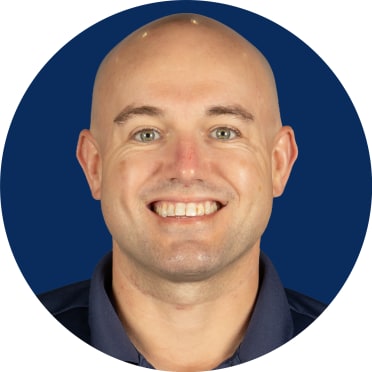
"What a great guy," Pirates manager Don Kelly said Friday. "Our hearts go out to his family. I got to see him at the Pirates Hall of Fame induction, and he always brought a smile to your face. He was a great pitcher for the organization, pitched a lot of big innings, and it’s sad to see him go. A lot of Pirates fans will remember him out on the field, for sure.”
Face, who still holds Pittsburgh’s franchise records for most appearances (802) and saves (188) and the NL record for most wins in relief (96), passed away on Thursday at the age of 97, just three days shy of his 98th birthday.
“It is with heavy hearts and deep sadness that we mourn the passing of Pirates Hall of Famer Elroy Face, a beloved member of the Pirates family,” said Pirates chairman Bob Nutting. “I was fortunate to get to know Elroy personally, and I will always be proud that we had the chance to honor him with his induction into the Pirates Hall of Fame.
“Elroy was a pioneer of the modern relief pitcher -- the ‘Baron of the Bullpen’ -- and he played a critical role in our 1960 World Series championship, leading the league in appearances and recording three saves against the Yankees.
“Our thoughts are with his three children -- Michelle, Valerie and Elroy Jr. -- and his sister Jacqueline.”
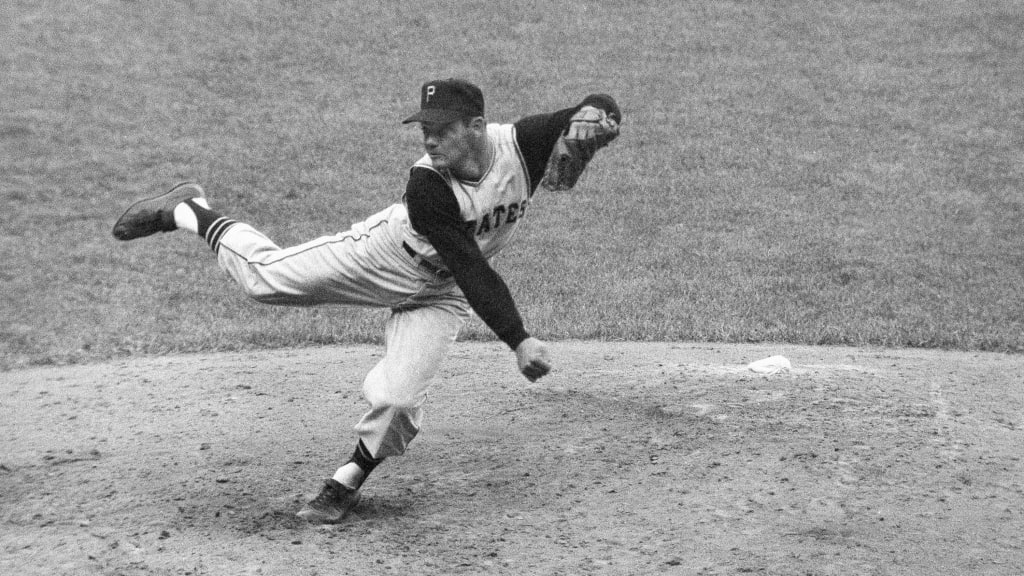
Elroy Leon Face was born on Feb. 20, 1928, in Stephentown, N.Y., about 25 miles east of Albany. He attended Averill Park High School but dropped out to join the United States Army before graduating. He got a late start to his career, not signing with the Phillies until the 1949 season.
Face told the Pittsburgh Post-Gazette in 2019 that he signed his first pro contract with the Phillies immediately after pitching seven innings back home for a team called the Berkshire Eagles. He immediately found success, going 14-2 during his first season in the Pennsylvania-Ontario-New York League in 1959.
“For $140 a month,” Face told the Post-Gazette of his first contract, “I went 14-2 and got a raise to $175 a month.”
Branch Rickey’s Brooklyn Dodgers selected Face in the annual winter draft in 1950. Two years later, Rickey drafted Face again for the Pirates. The right-hander went on to spend 15 years with Pittsburgh, setting records and serving as a sort of archetype for the modern closer during his time there.
There is some irony in Face holding that title. Unlike many of the big, dominant relievers who tower over the mound now, Face was 5-foot-8 with a playing weight of around 155 pounds. But he had a famous pitch, one that allowed him to thrive in the role he carved out.
After debuting for the Pirates in 1953, Face was sent back to the Minors in ’54 to learn another pitch. He wound up adopting the forkball, an unpredictable offspeed offering that was inspired by former Yankees reliever Joe Page during his attempted comeback with the Pirates. Face wasn’t the first pitcher to throw a forkball, but he is credited with making it popular.
“I threw the forkball, and a lot of guys are throwing the split-finger now,” Face told the Post-Gazette in 2019. “They asked me one time, ‘What’s the difference?’ I said, ‘A few million dollars.’”
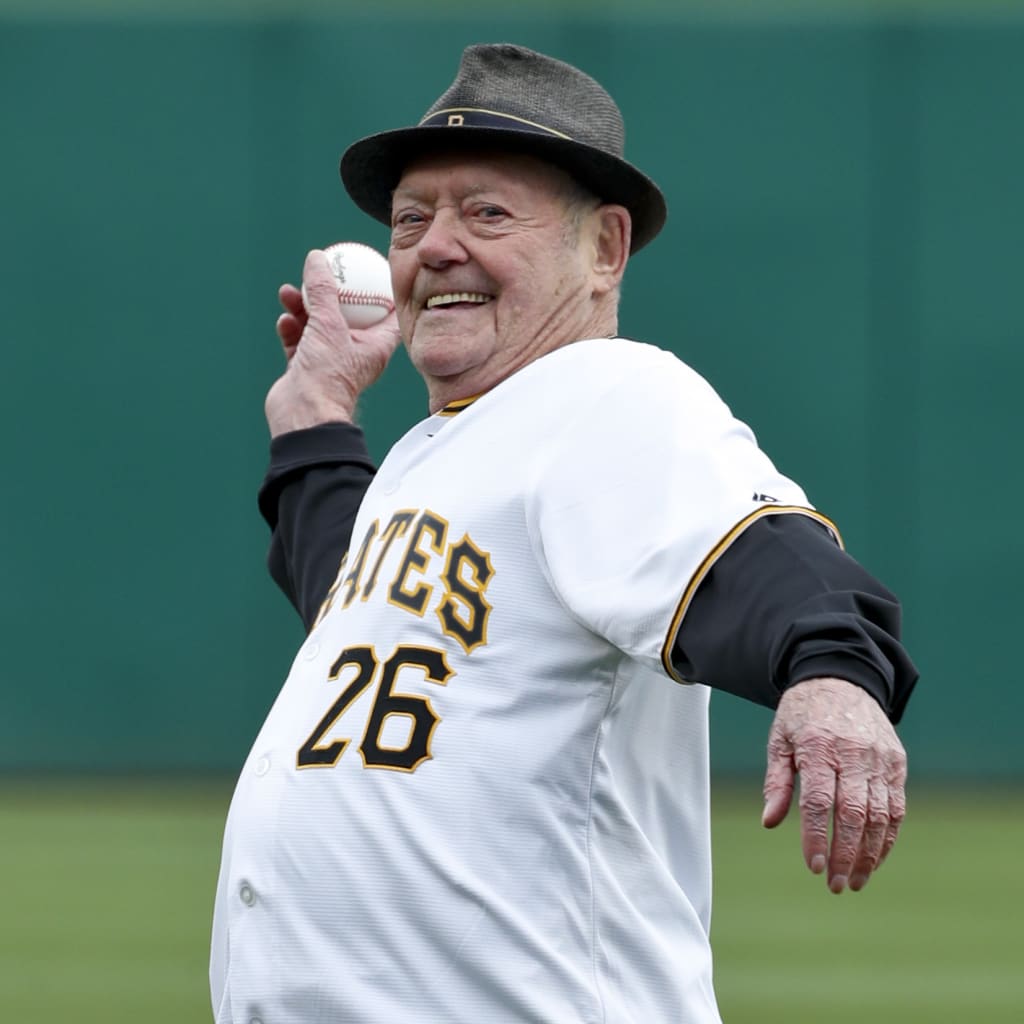
Face began his career as a starting pitcher, but that changed in his first few years with the Pirates. He made an MLB-leading 68 appearances, with only three starts, for manager Bobby Bragan’s 1956 Bucs. Then he started just once more on July 26, 1957, before moving to the bullpen full-time when manager Danny Murtaugh took over for Bragan. Every other appearance the rest of Face’s career came in relief.
He immediately found success in that role in 1958, finishing a National League-leading 40 games and saving an MLB-high 20 of them. Then came his finest year, the 1959 campaign in which he set the still-standing Major League records for single-season winning percentage (.947) and wins in relief (18) while saving 10 more games and losing just one over 57 appearances.
A study of that season by the Society for American Baseball Research found that half of Face’s 18 wins came when he entered a tie game and that he gave up the go-ahead run in three of those, only for the Pirates to rally back while he was the pitcher of record. Also, SABR noted that 10 of his wins were in extra-inning games.
“I guess a lot of it was luck,” Face told the Post-Gazette in ’19. “I tell everybody, that’s how good I was. To be able to give them a run or two and say, ‘That’s it. You’re not getting no more.’”
He was a force once more during Pittsburgh’s march to the 1960 World Series championship, a season and Series more obviously defined by Bill Mazeroski’s walk-off home run in Game 7 at Forbes Field. Face went 10-8 with 24 saves and a 2.90 ERA in 114 2/3 innings during the regular season, leading the NL in games (68) and the Majors in games finished (61).
In the Pirates’ Fall Classic triumph, Face saved Games 1, 4 and 5 and also appeared in Game 7, giving up four runs in three innings behind starter Vern Law. But he was replaced by a pinch-hitter in the eighth inning, when the Pirates rallied for five runs to take the lead. That left Bob Friend and Harvey Haddix to pitch the ninth, when the Yankees tied it up before Mazeroski’s historic homer.
Well into his 90s, Face would say he was most proud of being the first pitcher to save three games in a World Series, his winning streak from 1958-59 and being part of a championship team.
“The team we had in 1960 was a really good ballclub,” Face said in 2023.
Face remained an effective pitcher the rest of the decade, recording a 3.19 ERA with 100 saves for the Pirates from 1961-67. He spent most of the ’68 season with the Pirates but finished with two appearances for the Tigers before pitching for the Expos in ’69.
Perhaps fittingly, 1969 was the year Face’s Major League career ended -- and the year the save became an official statistic.
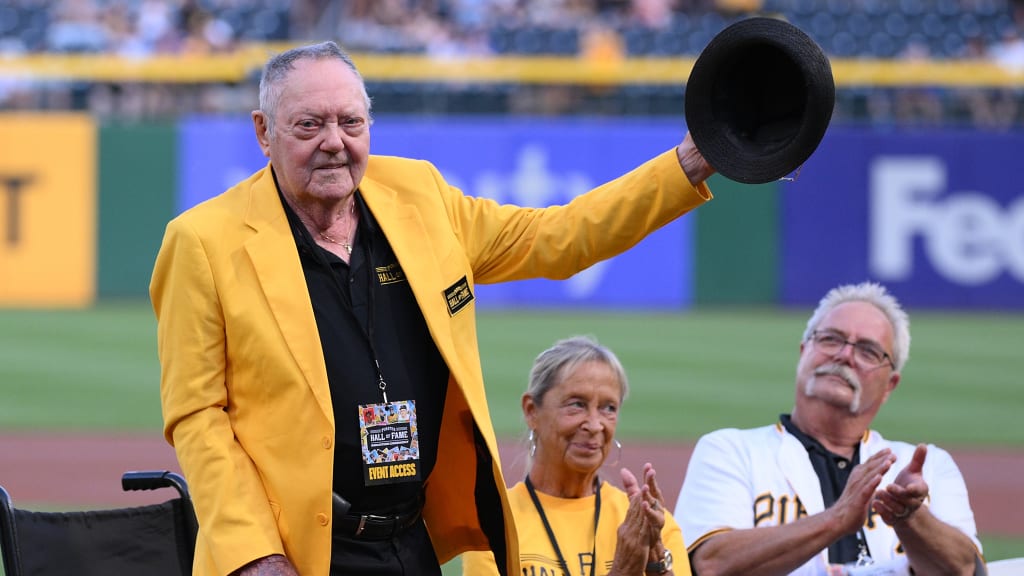
After retiring as a pitcher, Face turned his offseason job as a carpenter into full-time work and eventually moved to North Versailles, a township in Allegheny County southeast of Pittsburgh. He spent 15 years on the Hall of Fame ballot but never received much support, peaking at 18.9% of the vote in 1987. In 2023, though, he was inducted into the Pirates Hall of Fame alongside Friend, Dick Groat and Kent Tekulve.
When that class was announced, Tekulve was quick to credit Face for his impact on not just the Pirates, but on future generations of relief pitchers.
“At one time, relief pitchers were guys who weren’t good enough to start,” Tekulve said then. “But Elroy Face helped relief pitchers become important members of their team -- not just an extra piece."