


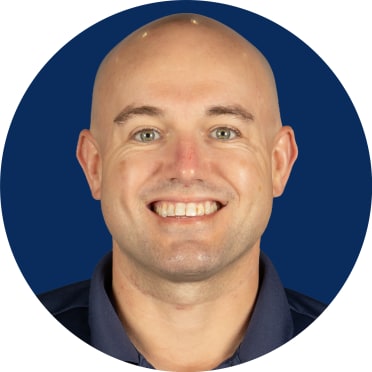
ST. PETERSBURG -- What’s the secret to being a finalist for the American League Manager of the Year Award six times in nine years? Take it from someone who’s seen Kevin Cash do it.
“You guys have too low expectations for our club,” Rays president of baseball operations Erik Neander joked recently. “Then we win games, and you’ve got to give him his due.”
Cash got his due once again on Tuesday night, though not quite enough to win AL Manager of the Year for the third time. He came in second place to White Sox manager Will Venable in a vote by the Baseball Writers’ Association of America, earning 98 total points in the balloting to finish between Venable (111 points) and Red Sox skipper Chad Tracy (47 points).
Cash received 12 of 30 first-place votes, 12 second-place votes and two third-place votes. He previously won the award in 2020 and ‘21 and has been a top-three finisher in 2018 (third), ‘19 (third), ‘20, ‘21, ‘23 (third) and now ‘26 (second).
“You get nominated for these awards, ultimately, because we’re so fortunate to get to work with good players on a nightly basis and we were fortunate to have good seasons,” Cash said Tuesday night on MLB Network. “This team that I was a part of, front office to scouting to amateur to player development and certainly the players -- most importantly, the players -- was as special as I’ve ever been around.”
You can point to plenty of tactical, philosophical and personality-based reasons that Cash was once again a top candidate for this year’s award and arguably deserved to win again. But the easiest case is this: The Rays were predicted and projected to finish fifth in the AL East, and they wound up with the best record in the AL and then marched all the way to the World Series.
That was enough in voters’ minds to make Cash a finalist along with Venable, whose White Sox were a shocking success story, and Tracy, who engineered Boston’s turnaround after Alex Cora was fired.
Coming off back-to-back disappointing seasons and sporting one of the Majors’ lowest payrolls, the Rays spent most of the season atop the AL standings and finished 98-64.
This was Cash’s 12th season at the helm for the Rays, making the Tampa native the longest-tenured manager in the Majors, and perhaps his finest work.
“The energy and joy that he has for his job today is truly no different than it was in 2015. It's amazing,” Neander said. “He was meant to do this. He was meant to do it here. It's where he grew up. He loves what he does. He builds tremendous relationships with everybody in our clubhouse, our players, our staff. The consistency in which he goes about every day is second to none.”
In the clubhouse, Cash sets the tone for a culture where players are free to be themselves, which tends to bring the most out of them. That’s nothing new. But everyone involved with this year’s club will say it was as tightly knit as any team they’ve ever been a part of.
Tactically, Cash earns the praise of rival managers for many reasons. He and his coaching staff are exceedingly well-prepared for just about any situation that may arise. Few teams, if any, use their entire roster as effectively as Cash does. He showed this season how he can adapt his strategy to suit the strengths of his personnel, like leaning into a contact-oriented approach and small-ball tactics to get the most out of players like Chandler Simpson and Taylor Walls.
“He's a winning manager,” second baseman Richie Palacios told MLB.com on World Series media day, “so he knows exactly what winning teams do.”
As Neander told MLB.com just before the World Series began, Cash still possesses the traits that prompted the Rays to make Cleveland’s relatively untested bullpen coach the successor to Joe Maddon: “The rarest blend of strength and humility.”
Cash’s strength is on display in the way that he handles challenging circumstances, from big-picture ones like the Rays’ temporary move to George M. Steinbrenner Field last year to the tough conversations with players the job requires on a daily basis. His humility is evident in the way that he has continued to evolve, learning from his experience rather than simply leaning on it.
“Just year in and year out, nobody does a better job than he does. There's no one that we would rather have leading our team, and it's not just the results,” Neander said. “At no point along the way has he ever settled himself on what he knows or what he's accomplished. It is entirely forward-looking about how to get better, and that's all we could ask for in a manager.”