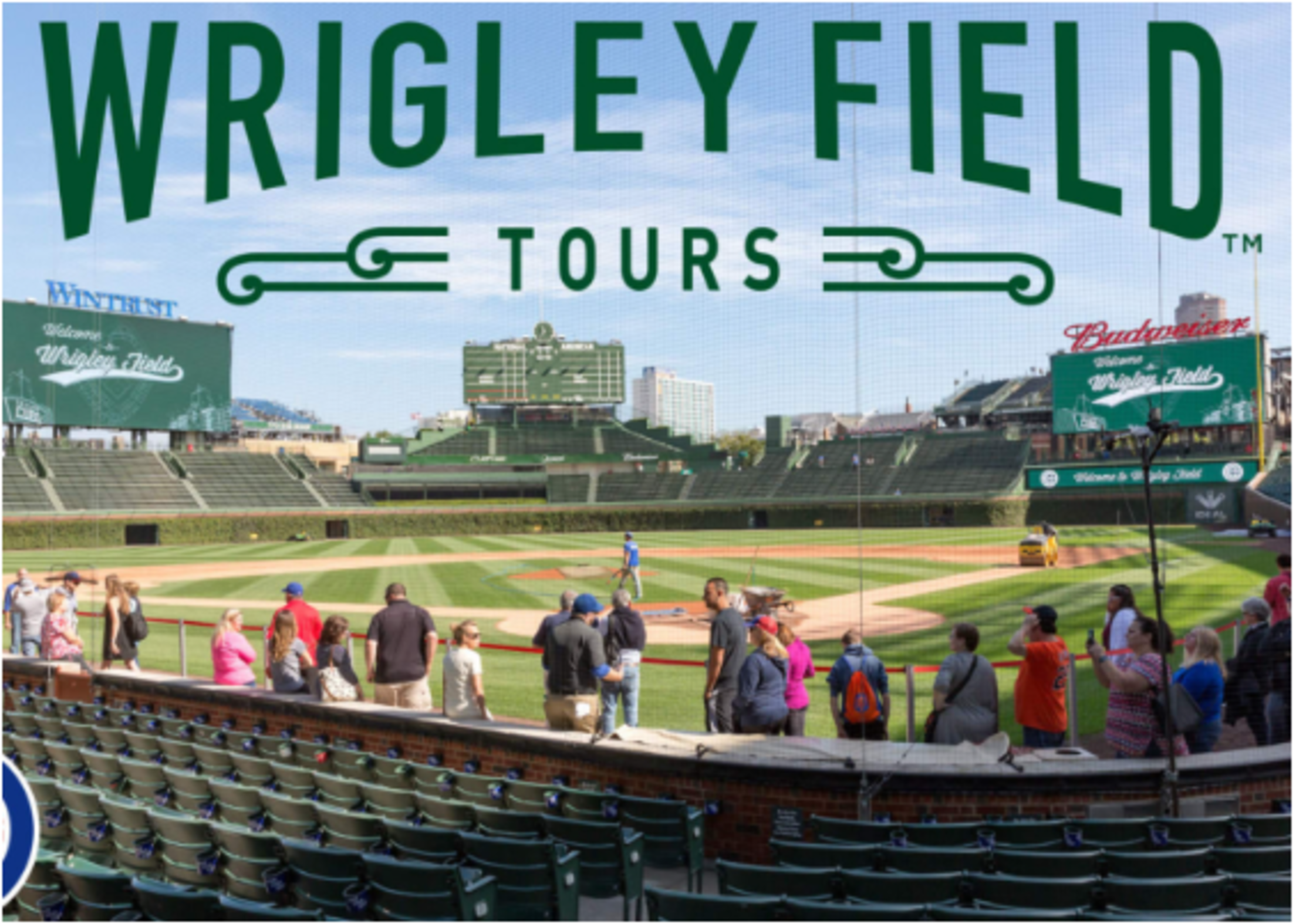


Best Spots to Stand During a Wrigley Field Tour: What You'll Actually See
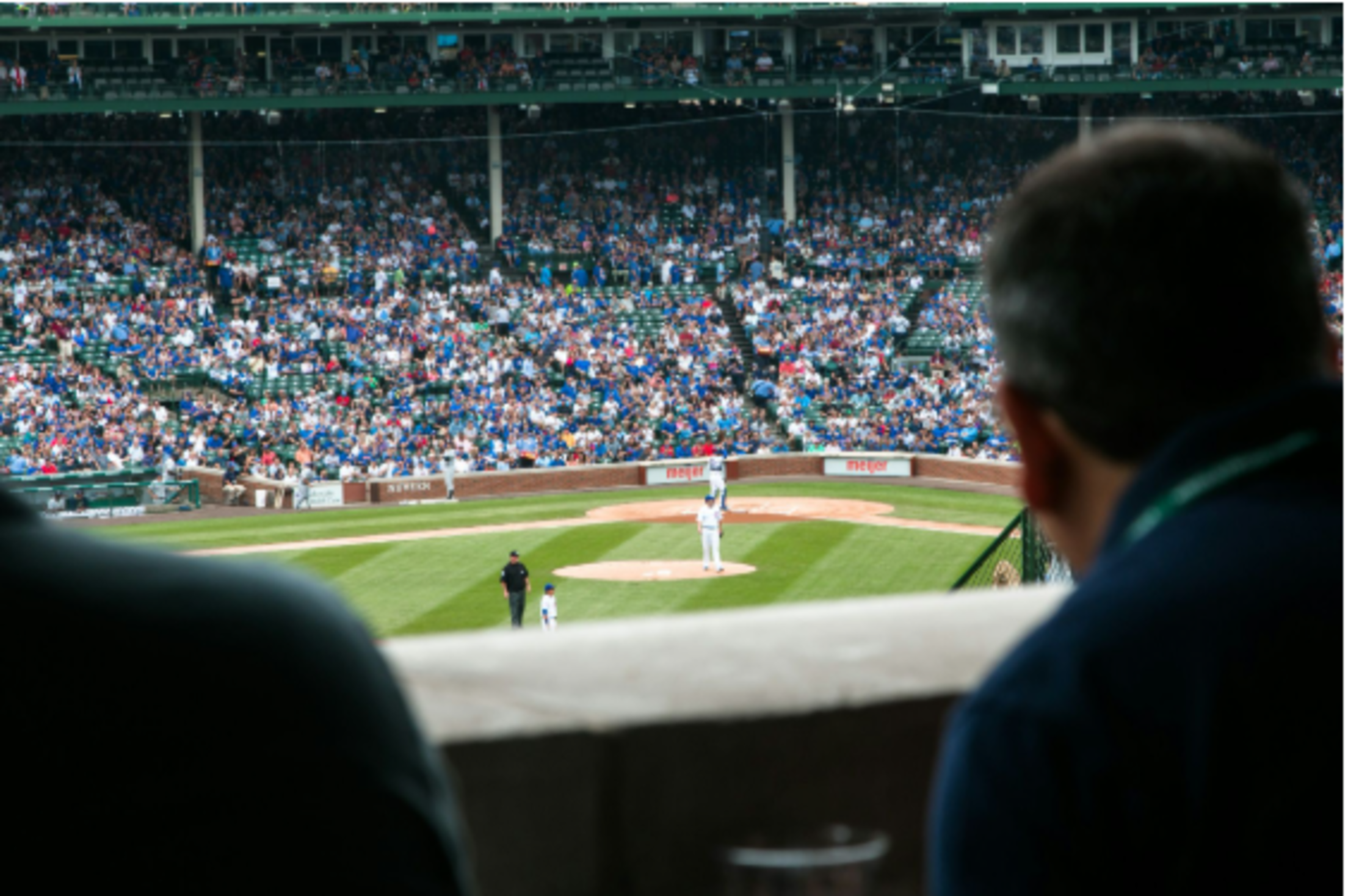
If you're picturing a Wrigley Field tour as sitting in one great seat for 90 minutes, the reality is even better. A guided tour of the Friendly Confines is a walking experience that takes you through multiple areas of the ballpark, each with its own unique view and story. You're not a spectator in a fixed seat. You're moving through a building that's been standing since 1914, walking the same hallways and sitting in the same dugout that over a century of baseball legends called home.
So the real question isn't which seat is best. The question is which stops give you the most memorable views, how to position yourself to soak them all in, and what to prioritize when time is limited. Here's what to expect when you visit Wrigley Field for a tour.
What the Tour Actually Covers
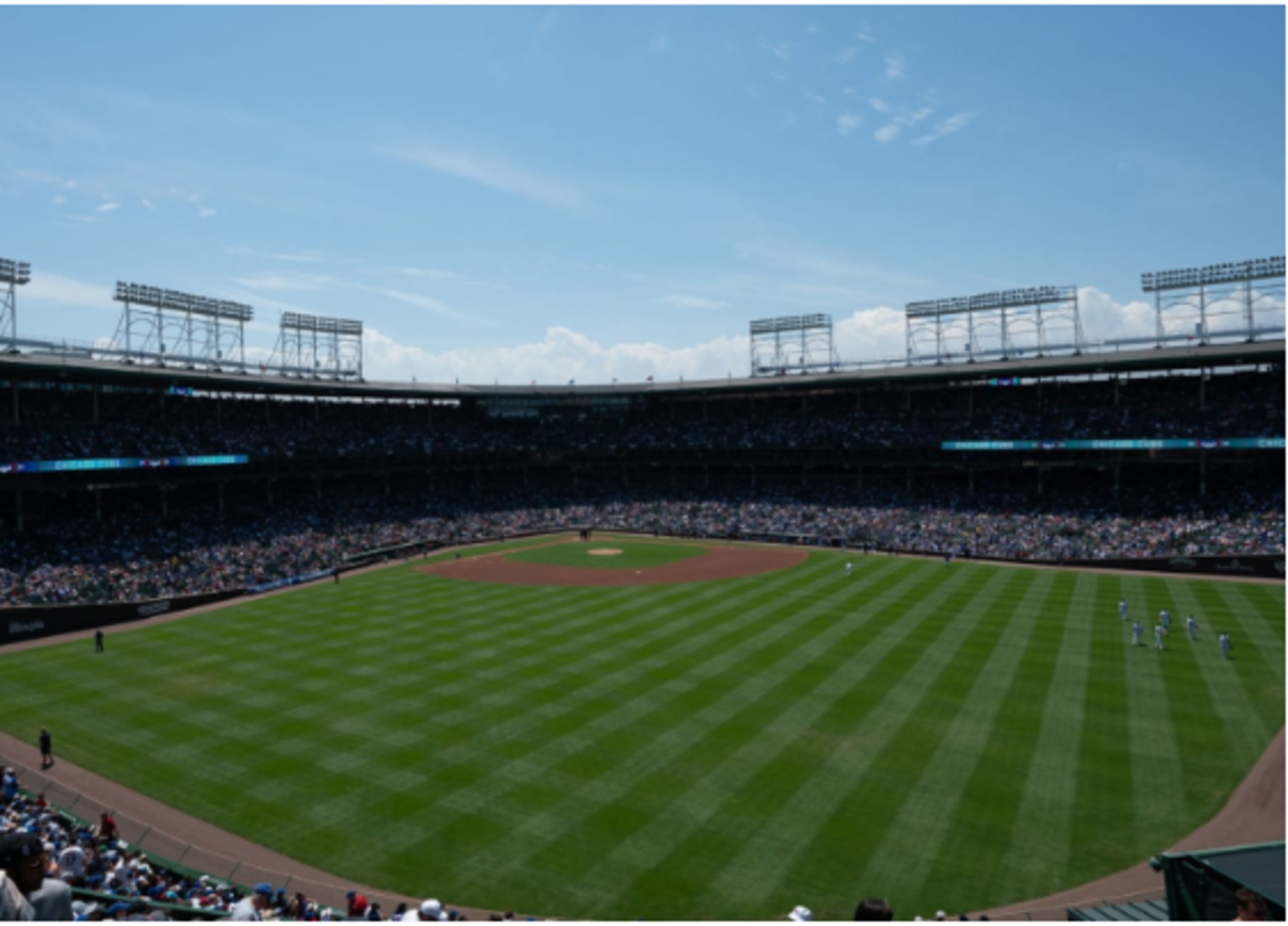
The route changes depending on whether it's a game day or a non-game day, but the core experience hits several iconic spots inside the ballpark. Non-game days open up more behind-the-scenes areas, while game day tours trade access for the electric energy of a ballpark preparing for a live Major League Baseball event. Either way, you're getting inside one of the two oldest ballparks in baseball, second only to Fenway Park in Boston.
The Seating Bowl and Field-Level Views
On most tours, you'll walk through the main seating bowl and get a wide-angle view of the playing field from behind home plate. This is where the scale of Wrigley Field really hits you. Seeing the ivy-covered outfield wall, the hand-operated scoreboard towering 60 feet above center field and the surrounding Wrigley rooftops from field level is the kind of panoramic moment that makes you understand why this ballpark has survived for over a century.
The scoreboard alone is worth the price of admission. Installed in 1937 when the bleachers were rebuilt, it has remained a centerpiece of Wrigley Field ever since and is still manually operated by staff who change steel panels by hand to update scores for games around the league. It is one of the few manually run scoreboards left in Major League Baseball, with only Fenway Park’s in Boston sharing that distinction. You can see the scoreboard from dozens of spots in the ballpark, and viewing it from the seating bowl on a tour without a crowd blocking your view feels special.
The Press Box Overlooking Everything
One of the most popular stops is the press box, perched high above the field. You get a bird's-eye view of the entire diamond, the Budweiser Bleachers, the scoreboard and the Wrigley rooftops beyond the outfield walls. Fans consistently rate the press box as the single best view on the entire tour, and it's easy to see why. The perspective from up there puts the full layout of Wrigley Field into context in a way no other vantage point can match.
From the press box, you can trace the outfield wall from left field to right field, see how the ivy frames the entire playing surface and look out past the Budweiser Bleachers to the neighborhood that's grown up around the ballpark over the past century. On a clear day, the view extends well beyond the ballpark into the surrounding Lakeview neighborhood.
The Cubs Dugout on Non-Game Days
The dugout stop is the one that gets people emotional, and we mean that without exaggeration. On non-game days, your guide may walk you right into the Cubs dugout where Hall of Famers like Ernie Banks once sat, where Kerry Wood celebrated his 20-strikeout game in 1998, and where the 2016 World Series championship team gathered through that historic postseason run.
You can take a seat, snap a photo, and imagine looking out at a packed house from ground level. The dugout perspective is completely different from anything you'd see as a fan in the stands. The field looks massive from down there, and the walls of the ballpark rise up around you in a way that makes the whole place feel intimate and enormous at the same time.
Game day tours typically skip the dugout because, well, the Cubs need it for the actual game. If sitting where the players sit matters to you, and for a lot of fans it's the single most important stop, book a non-game day tour.
Stops with the Best Photo Opportunities
Some spots along the route are perfect for capturing that once-in-a-lifetime shot. Wrigley Field is one of the most photogenic ballparks in baseball, and a tour gives you access to angles that fans in the stands never get to see.
Standing on the Warning Track
On non-game days, you may step onto the warning track along the outfield. Standing at the base of the ivy wall with the scoreboard above you is a fan-favorite photo spot and one of the most shared images on social media from Wrigley Field tours. The ivy was planted by Bill Veeck in September 1937, and it's been a defining feature of the ballpark ever since. Getting up close to it, seeing the individual vines climbing the brick wall, is a completely different experience than seeing it from the stands.
The Budweiser Bleachers Perspective
If the tour includes the Budweiser Bleachers, take your time at this stop. Looking in toward home plate with ivy in the foreground is one of the most photographed angles in all of baseball. The bleachers have their own culture and energy during games, but during a tour, the empty seats and open sightlines give you a chance to appreciate the geometry of the ballpark in a way the game-day chaos doesn't allow.
From the Budweiser Bleachers, you can also get a close look at the back of the scoreboard and the area where workers climb a steep ladder through a trapdoor to reach their stations inside. The scoreboard operations are one of the most fascinating stories in baseball, and the bleacher perspective gives you a real sense of the scale involved.
How to Get the Best Views on Your Tour
A few simple strategies help you make the most of each stop. These aren't secrets, just practical moves that experienced Wrigley Field visitors know to make.
Stay Near the Front of the Group
Tour groups can range from a handful to a few dozen on busy days. Staying near the front puts you closer to the guide's commentary and gives you first access to the best angles at each stop. The guides are passionate and full of stories you won't find online, from the time they literally sliced the ballpark into three sections and moved it in the 1920s to the electromagnetic relay system inside the scoreboard that's been flipping balls, strikes, and outs since 1937.
Being up front also means you get to the photo spots first, before the rest of the group crowds in. At the press box and dugout stops, especially, the difference between being first in line and last makes a real impact on the quality of your photos and your overall experience.
Morning Tours Mean Better Light
Natural light at Wrigley Field is best during morning tours, especially in summer. Afternoon sun creates harsh shadows in the seating bowl that make photos tricky. The first tour of the day offers softer, more even lighting and typically draws smaller crowds. If you're traveling specifically to take great photos of the Friendly Confines, the morning slot is the one to book.
Non-Game Days Open Up the Full Experience
On non-game days, more areas are available, which means more stops and more time to linger at each one. If seeing the dugout, stepping on the field, and walking through areas normally reserved for players and staff matters to you, pick a day when the Cubs are on the road. Non-game day tours are the definitive Wrigley Field tour experience.
Game Day Tours Have a Different Energy
Game day tours cover fewer behind-the-scenes areas, but they come with their own appeal that's worth experiencing if your schedule lines up.
Watching the Ballpark Wake Up
There's something special about being inside Wrigley Field as it transforms from a quiet, empty building into a buzzing, alive ballpark. You might catch a glimpse of pregame field prep, grounds crew activity, and the general energy of a ballpark getting ready for 40,000 fans. After the tour, you can walk right into the Wrigleyville neighborhood as it fills with fans, grab food on Clark Street before first pitch, and experience the full game day atmosphere that makes this neighborhood one of the best in baseball.
Plan Your Tour with the Chicago Cubs
The Cubs offer both public and private tours starting in March. Private tours can include a personalized scoreboard message and accommodate groups up to 50. Public tour pricing starts around $25 per person. Private tours start at $2,000 plus tax. Tickets are mobile-only through the MLB Ballpark app. For schedules, pricing, and booking, visit Cubs.com or call 773-388-8270.
Frequently Asked Questions
Do you get assigned seats on a Wrigley Field tour?
No, the tour is a walking experience covering approximately 75 to 90 minutes. You visit multiple areas, including the seating bowl, press box, Budweiser Bleachers, dugout, and potentially the field. The route varies between game day and non-game day tours.
Which tour stop has the best view?
Most fans point to the press box for the best overall view of the entire field, scoreboard and Wrigleyville rooftops. The bird's-eye perspective puts the full layout of Wrigley Field into context in a way no other stop can match.
Can you sit in the Cubs dugout during a tour?
On non-game days, tours may include a dugout stop where you can sit down and take photos. Game day tours typically skip this area since the team needs it for the actual game.
Are game-day or non-game-day tours better?
Non-game day tours offer more access to exclusive areas, including the dugout, warning track, and visitors' clubhouse. Game day tours are shorter but come with the energy of a ballpark preparing for a live Major League Baseball game. Both are worth doing for different reasons.
How many people are in a tour group?
Public group sizes vary depending on the day and time. Morning tours and off-season tours tend to draw smaller groups. Private tours are available for a more personalized experience with groups up to 50.
Where does the tour start?
All public tours begin and end at the Gallagher Way Gate on the west side of the ballpark, adjacent to Gallagher Way on Clark Street. Arrive 10 to 15 minutes early for check-in.