


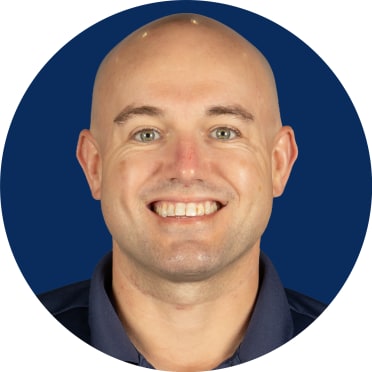
ST. PETERSBURG -- The Rays had just acquired Ryan Vilade in a cash trade with the Reds when they made it clear what they would be expecting of him.
Shortly after that deal went down on Nov. 3, Vilade was told that Tampa Bay made the move for him with a role in mind. He would move around the field, mostly playing first base and the outfield corners, and most of his at-bats would come against left-handed pitchers.
Just like that, months before he even made the Rays’ Opening Day roster with that exact job description, Vilade understood his assignment.
“Them telling me that … was awesome,” Vilade said, “because I knew exactly what my role was going into camp, going into the season and throughout the year.”
Role players like Vilade have been a significant part of the Rays’ rise to the top of the American League East standings. Much of their success has been driven by quality starting pitching and the lineup’s big three of Junior Caminero, Jonathan Aranda and Yandy Díaz. But having a deep, flexible roster is critically important and a hallmark of the Rays when they’ve been at their best.
Making it all work takes deft deployment and constant communication by manager Kevin Cash, bench coach Rodney Linares and the rest of the coaching staff. It requires a carefully assembled roster with a lot of depth not just in terms of numbers, but in complementary profiles.
And perhaps more than anything, it requires belief and buy-in from the position players who have to understand and execute their roles, sometimes at the expense of their own ego, with an appreciation that moves are being made for their benefit and that of the team.
“Everybody wants to play every day. I think we all try to just over-communicate with them and understand, like, this is how we're built. This, we think, is going to give us the best opportunity and best chance to win,” Cash said recently. “And just because you're not starting doesn't mean that you aren't going to come in and potentially have the biggest at-bat of the game.”
When most everyone was healthy from late April to early May, the Rays were essentially using platoons at catcher (Hunter Feduccia and Nick Fortes), second base (Richie Palacios and Ben Williamson), center field (Cedric Mullins and Jonny DeLuca) and right field (Jake Fraley and Vilade).
Palacios called it a form of “selfless baseball,” which feels fitting for a team defined by its early season chemistry and camaraderie. They don’t particularly care who gets the job done, as long as it gets done.
“It’s just guys that want to win,” Palacios added.
Recent injuries have forced them to shuffle some of the names and positions around, but at full strength, they’re a nightmare for opposing managers to game-plan against. Their in-game maneuverability, and Cash’s willingness to use it, is just that extreme.
“When you have a manager that knows how to do that, and then you also have the roster that has the capability of doing it, the sky's the limit,” Fraley said earlier this month.
The Rays have played 53 games this season and used at least 12 position players in 15 of them. Four times, they’ve run out their entire position player group in the same game, typically in pursuit of advantageous matchups. And that’s to say nothing of how they aggressively play the matchups with their bullpen.
“To see how everyone contributes into helping us win day in and day out has been awesome,” starter Drew Rasmussen said. “I also think it kind of keeps everybody in the flow of playing each and every day, and it just gives the opportunity for everyone to kind of stay in rhythm.”
Feduccia and Vilade, relative newcomers to the Rays’ way, echoed those ideas.
Feduccia, a left-handed hitter who splits time with the right-handed-hitting Fortes, said it took the two months he was on the team last season to fully appreciate the process. It requires greater concentration from the supposed “bench” players, especially a catcher who’s so integrally involved in the pitching plan, because they could be thrust into a high-leverage situation.
“It's fun,” Feduccia said. “It's fun to see everyone's ready to go.”
But none of the moves are random or unexpected, unless they’re the result of an injury. Coaches give players a heads up an inning or two in advance, looking ahead to certain matchups or scenarios that might unfold.
And players quickly grow so used to it that they manage along with them, anticipating when their number might be called.
They’ve long known their roles. It’s just a matter of doing their part.
“I think it's a cool style of baseball, because you might not start the game, but you definitely have a really good chance to get in the game and vice versa,” Vilade said. “That's just how they've done it, and I think the communication part has been great.”