

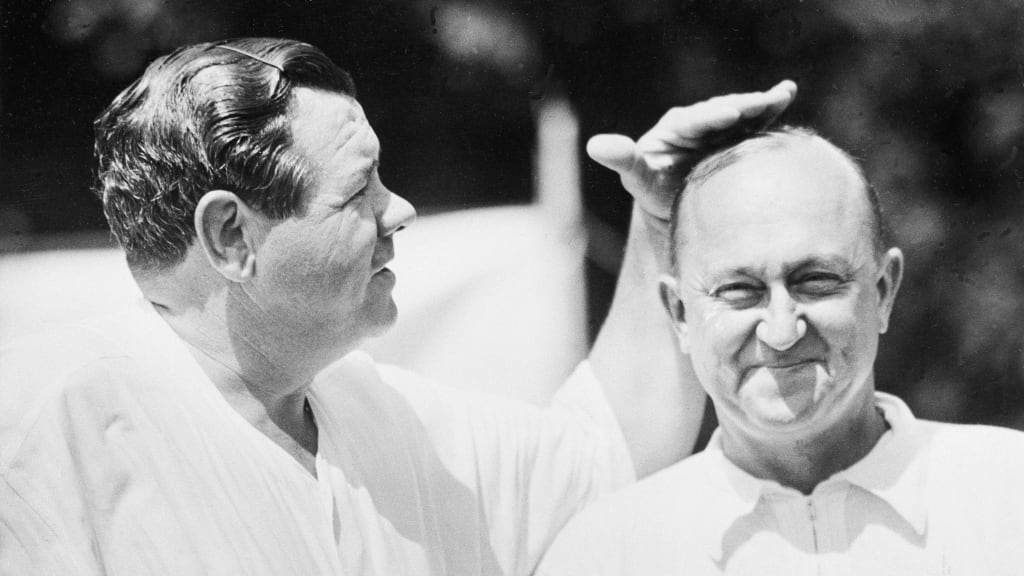
"You had the defending World Series champion Red Sox host the game at Fenway Park with Babe Ruth on the mound," author Scott Reich told me in a phone call. "Playing against a galaxy of All-Stars that had gathered from teams around the league. Ty Cobb, Shoeless Joe Jackson, Walter Johnson, Buck Weaver, Ray Chapman -- sort of a who's who of that era. Managed by Connie Mack."
The first official MLB All-Star Game took place in 1933 at Comiskey Park as part of Chicago's World's Fair. The American League topped the National League, 4-2, with the Babe -- of course -- depositing the first homer in Midsummer Classic history.
But 16 years before, Boston hosted a star-studded matchup in honor of beloved former player and Globe sportswriter Tim Murnane -- who had suddenly passed away. Reich, who recently published the book, "One Day in September," believes this was likely the model for the modern day All-Star festivities.
"It was the first time that baseball, on a very large scale -- with the dramatic background of the world at war -- had brought the entire community together," Reich said. "It became a national event and was syndicated across columns around the country."
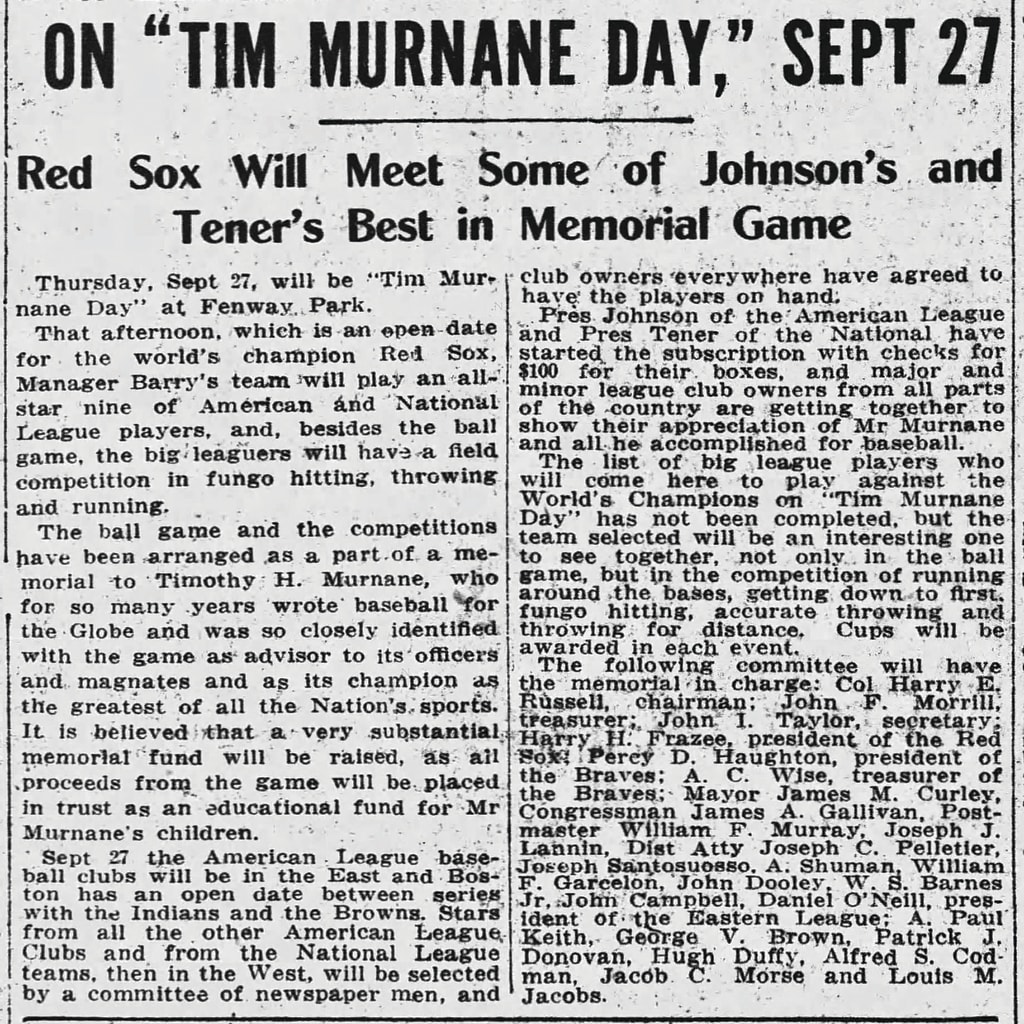
The game itself was a tight one, with Ruth on the mound (he struck out Cobb) and Johnson pitching some innings for the stars. Boston ended up winning the game, 2-0.
But there were also other, circus-like competitions happening alongside the ballgame: Timed bunt-to-first and around-the-bases contests, fungo hitting for distance, accuracy throws and long-distance tosses.
Shoeless Joe, who originally had to move to the outfield from pitcher because his arm was so strong it broke a catcher's arm, won the long-distance competition with a 396-foot howitzer.
"A handful of players stood in center field and they were throwing to home plate," Reich said. "Other players were throwing more line drives to carry it, while Shoeless Joe gave more of an arc to it so it carried farther. He won the contest by a few feet. He was given this trophy called the Loving Cup and he treasured it the rest of his life. I have a picture of him holding it as an old man. At the very end, here's this old guy, and one of his most treasured possessions was this trophy he won for the longest throw."
Jackie Bradley Jr. probably would've done pretty well in that one.
The Babe, who, at the time, was still mostly a full-time pitcher who could hit a little bit, won the fungo-hitting contest easily. Reich noted that one reporter said, "He had literally never seen a ball hit that high."
You could probably see, and maybe even dream of, these types of competitions being part of modern-day All-Star weekends. But a few stunts would never make the cut. Definitely not.
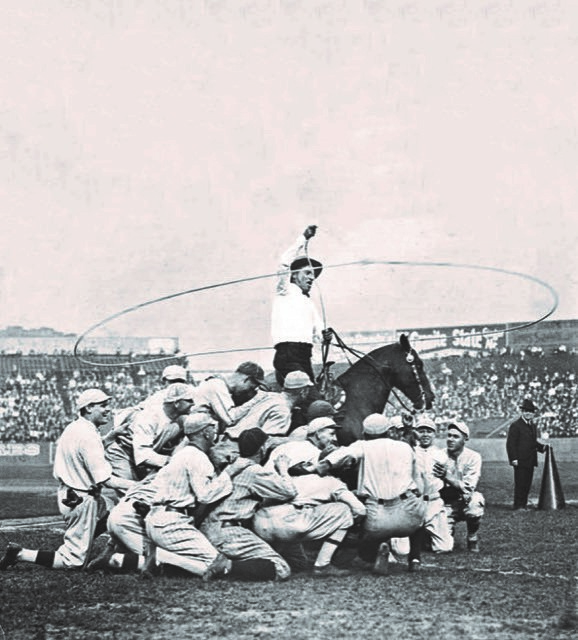
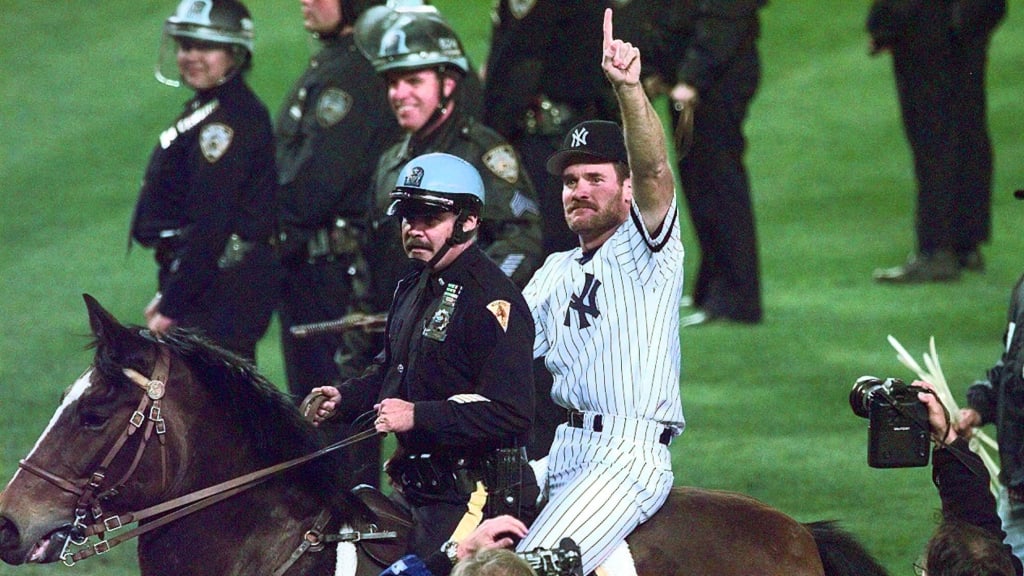
"Will Rogers, the amazing entertainer, literally rode a horse onto the field during the pregame festivities," Reich laughed. "He had a rope in hand and lassoed the players, chasing them around the field. The players. It's incredible."
Mostly, though, as you can read in Reich's new book, it was an event, and moment in time -- one we don't see much of anymore -- where everyone stopped and did something for somebody when they were most in need. An unselfish, caring act.
"It was this desire to bring people together," Reich said. "These players left their teams during a pennant race. During regularly scheduled games. They went on without them. They came for no compensation, riding overnight trains to get there. Paying it forward and paying their respects to this guy and the sport."